English
 русский
 Español
 عربى
Home / News / Industry News / Outdoor‑Grade PET and PVC Double‑Sided Adhesive Materials for Cotton Baling Film

- Home
- Product
- About Us
- Label Solutions
- News
- Contact

Outdoor-Grade PET and PVC Double-Sided Adhesive Materials for Cotton Baling Film Splicing and Sealing: UV-Resistant, Weatherproof and Aging-Resistant Stock from Zhejiang Guanma Packaging
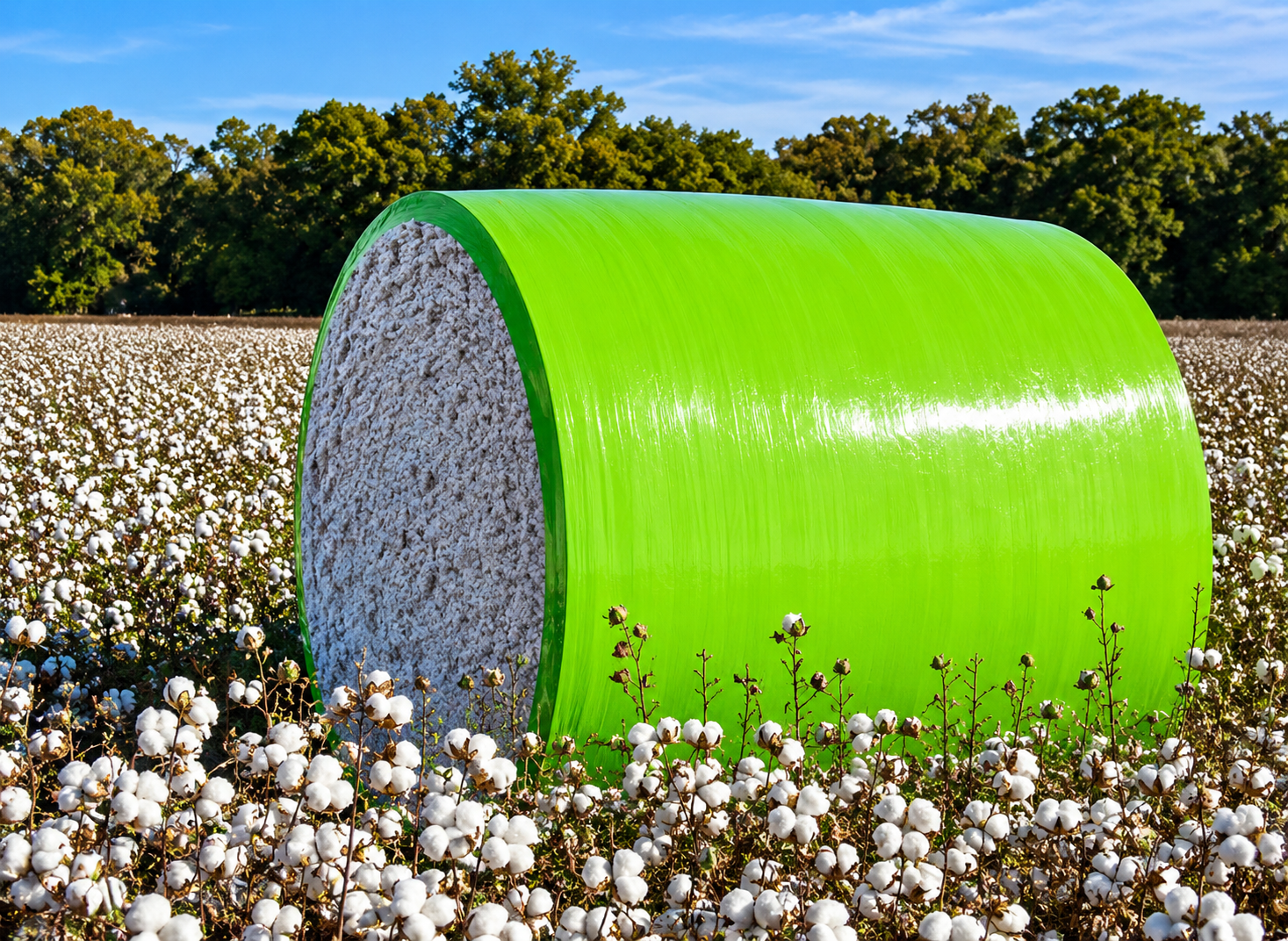
Cotton and forage baling operations around the world depend on stretch and wrap film to protect compressed bales during field storage, handling and long-distance transport. Film webs must be joined when rolls are spliced, and overlaps, seams and edges must be sealed so the wrap remains tight against moisture, dust, wind and sun. The tape or adhesive label material that performs this work is rarely visible, yet it decides whether a bale keeps its protective wrap from the field to the warehouse. Ordinary indoor-grade adhesive materials break down quickly under continuous outdoor exposure, lifting, splitting and losing bond before the bale reaches its destination. Zhejiang Guanma Packaging Co., Ltd. has developed a dedicated outdoor range of double-sided adhesive label materials built on PET polyester film and PVC vinyl film, formulated specifically for the splicing and sealing of cotton baling film, with strong ultraviolet resistance, weather resistance and aging resistance as its core design targets.
The Hidden Demands on Baling Film Splicing and Sealing Material
Baling film is typically a flexible polyethylene stretch or wrap film that must hold the compressed bale together and shield it from rain, dew, humidity and sunlight. In the baling process, two functional tasks fall to the adhesive material: splicing and sealing. Splicing means joining two film webs or roll ends together so the wrap continues without interruption during wrapping or roll changes. Sealing means securing film overlaps and seam edges so the wrap does not loosen, unfold or let moisture and pests reach the cotton inside.
These tasks impose a different set of requirements than a standard indoor label. The material must wet and bond reliably to a low-energy plastic film surface, conform to a flexible substrate that keeps moving under tension, and retain that bond through stretching, flexing, stacking and outdoor weather. When an ordinary tape or label fails, the consequences are direct: seams open, film unwinds, bales are exposed to rain and sun, and the cotton or forage inside can be damaged or downgraded. For baling film work, the adhesive stock must therefore be judged not only by its initial tack on the day of application, but by how it holds up weeks and months later under real field conditions.
PET Polyester Film Double-Sided Material: Strong, Dimensionally Stable Outdoor Stock
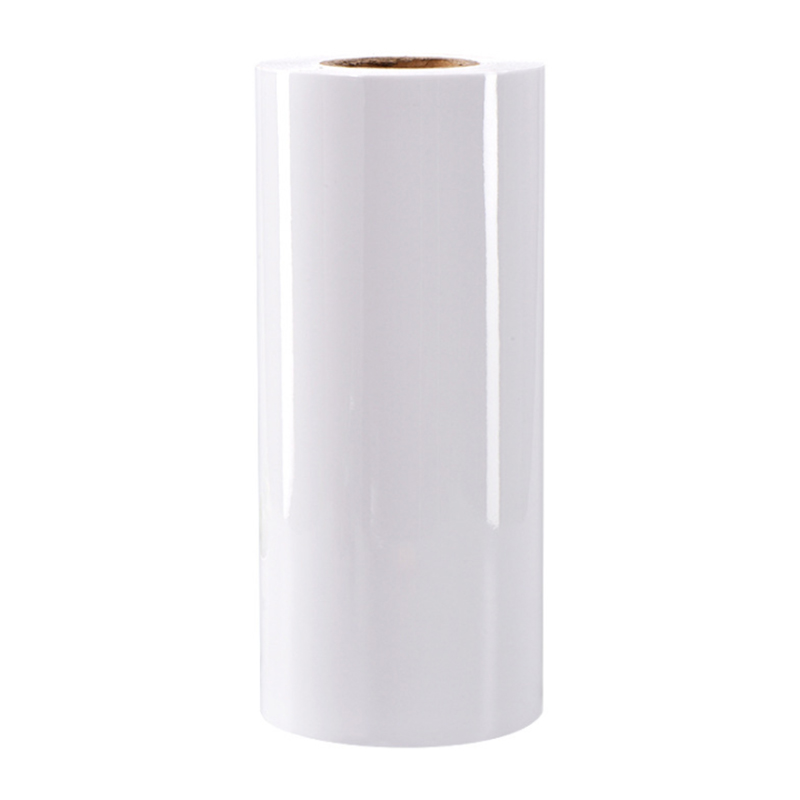
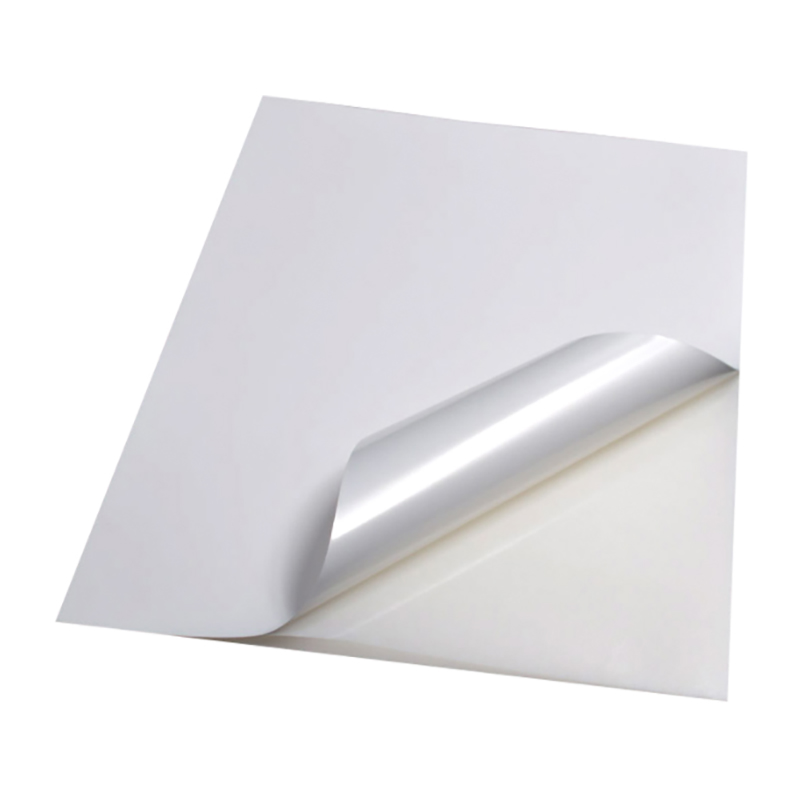
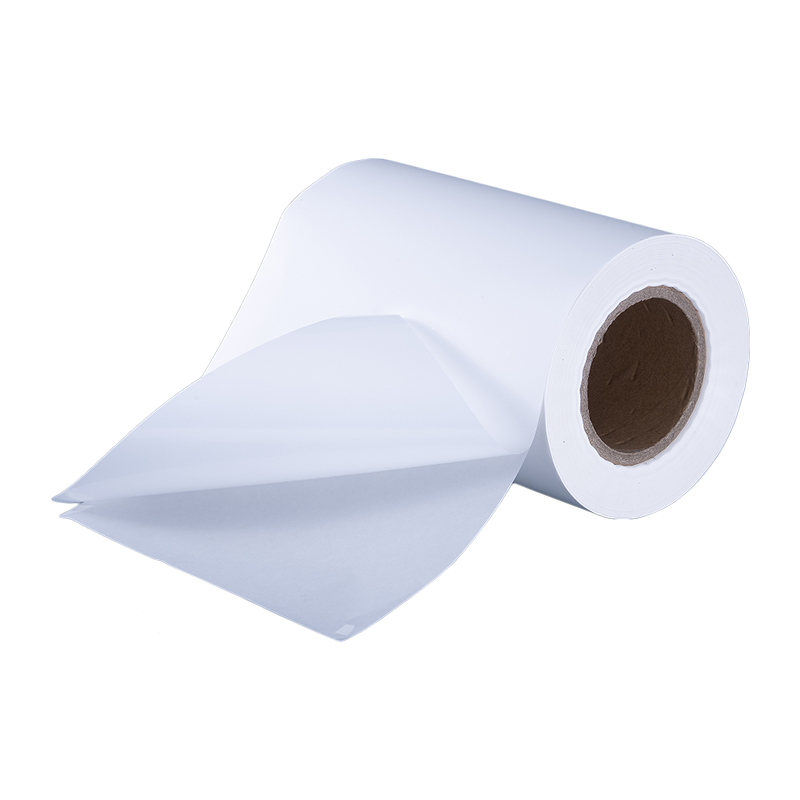
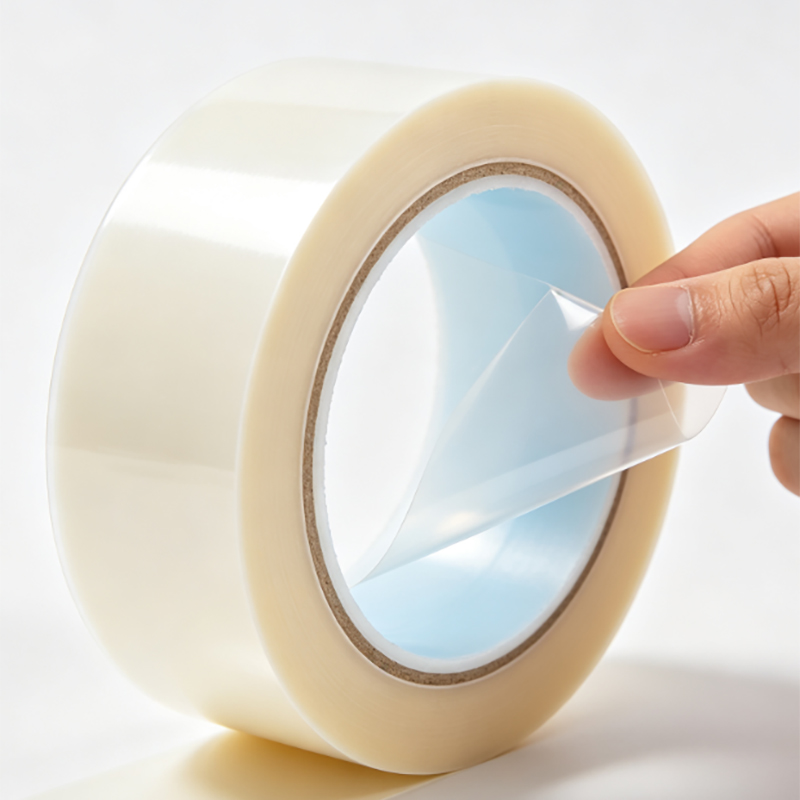
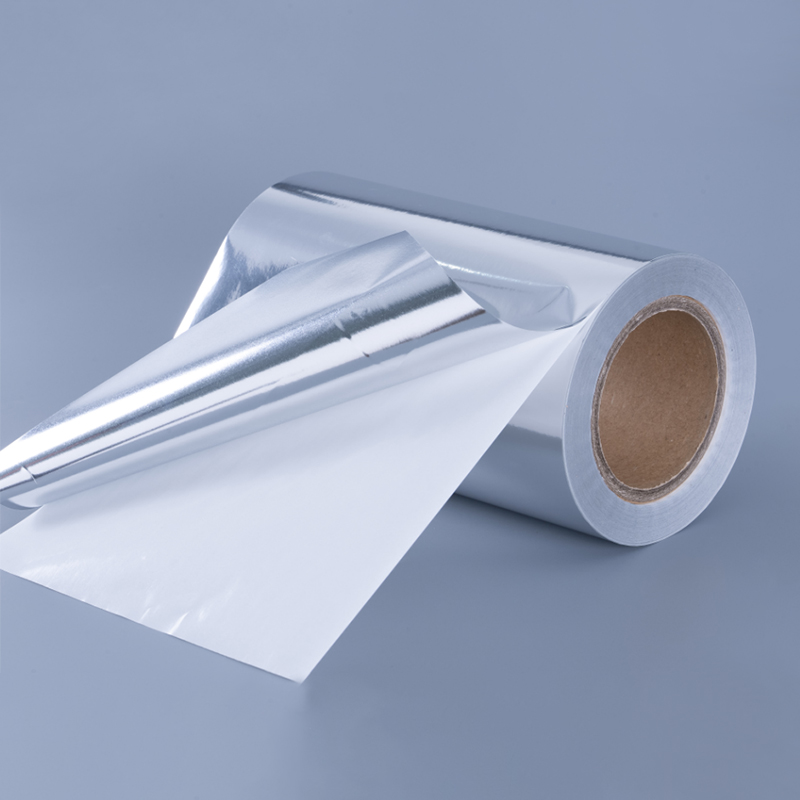
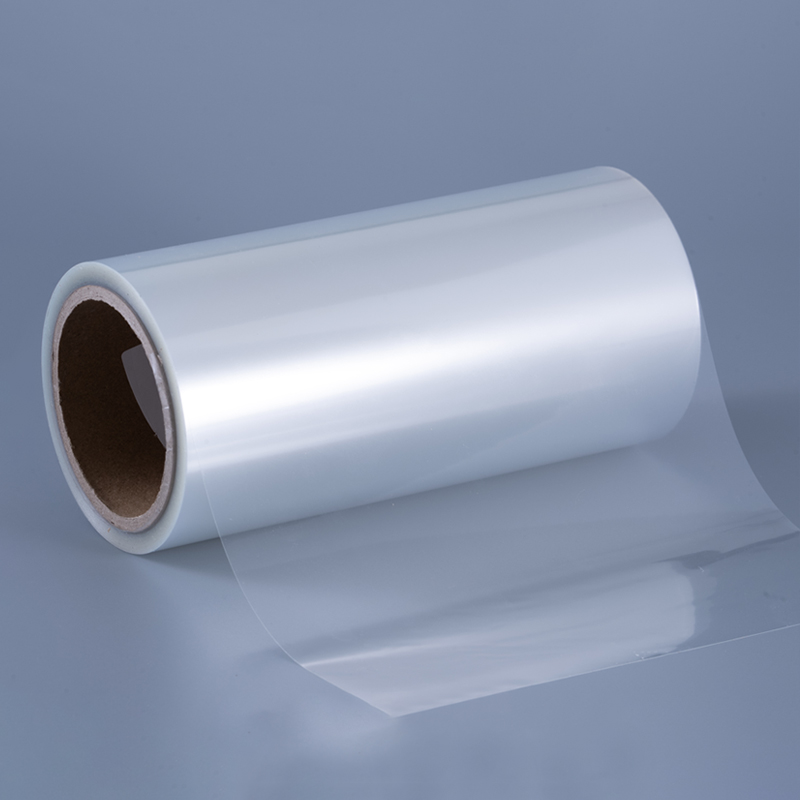
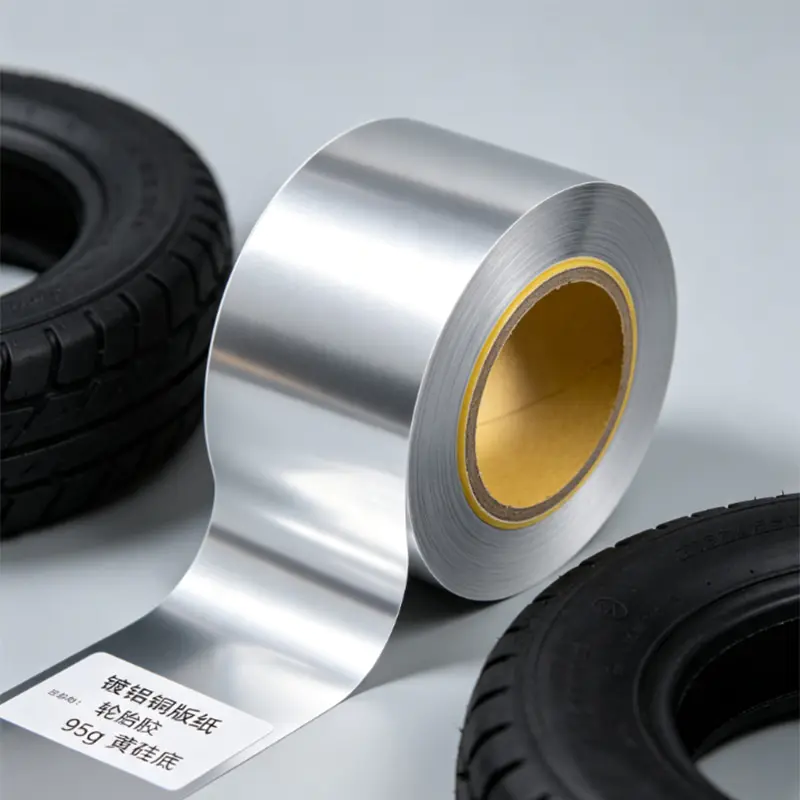
The good substrate platform in Guanma's outdoor double-sided range is PET polyester film. A double-sided PET construction places a transparent polyester facestock between two layers of specially formulated adhesive, each protected by a silicone-coated glassine release liner. The reference structures listed in the product line illustrate this layout: one grade pairs a 36 μm transparent PET film with special adhesive on both sides, backed by a 60 g glassine liner and a 90 g double-sided silicone-coated glassine liner; another uses a 23 μm transparent PET film with special adhesive on both sides and 90 g glassine liners. These transparent film layers give the material a clean, thin profile while keeping the two adhesive faces aligned during converting and application.
Polyester film is valued for its high tensile strength, dimensional stability and resistance to stretching, so the bonded splice or seal holds its shape rather than elongating under tension. PET also offers good resistance to moisture, oils and general environmental chemicals, and it maintains its physical integrity over long outdoor storage. This makes the PET double-sided construction well suited to high-strength film splices and sealing points where the baling film may be stretched, handled repeatedly, or exposed to mechanical stress during bale stacking and transport.
PVC Vinyl Film Double-Sided Material: Flexible, Conformable Seal Stock
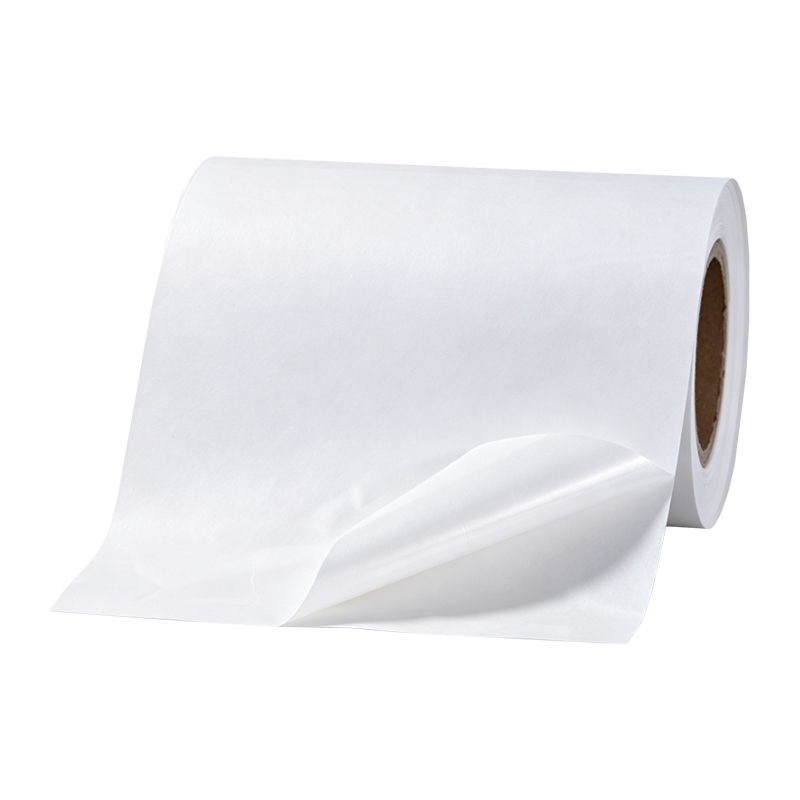
The second substrate platform is PVC vinyl film. Where PET emphasizes strength and stability, PVC emphasizes flexibility and conformability. Vinyl film bends easily, follows curved or uneven film surfaces, and keeps flexing together with the wrap without cracking or springing back. For overlap seals and curved seam edges on baling film, this flexibility helps the material make full contact across the film rather than lifting at the edges.
The outdoor-grade PVC formulation used in this range is stabilized for weather exposure, so the film does not turn brittle, harden or crack after prolonged sun and temperature cycling. It is recommended for flexible seals and flexible splice points where the film needs to move with the wrap, and for applications where a softer, more conformable substrate performs better than a stiffer polyester film. Together, the PET and PVC options let buyers match the substrate to the exact splice or sealing point, instead of forcing one material type onto every joint.
Built to Survive Outdoor Exposure: UV, Weather and Aging Resistance
The defining characteristic of Guanma's outdoor double-sided baling film materials is their resistance to the main causes of outdoor adhesive failure. Ultraviolet (UV) resistance means the film and adhesive are formulated to withstand prolonged sunlight without becoming brittle, fading, discoloring or losing internal cohesion. Under continuous UV exposure, unstabilized plastic film and adhesive harden, crack and turn powdery; the outdoor-grade PET and PVC constructions are built to slow this degradation and preserve the bond over the storage and logistics period of the bales.
Weather resistance covers the full range of field conditions: rain, dew, humidity, temperature swings, wind-borne dust and alternating hot and cool periods. The material resists moisture-related softening or hydrolysis and keeps its adhesive grip on the film when the wrap repeatedly cycles between damp and dry conditions. Aging resistance means that even after long-term outdoor storage, the stock still retains its tack and holding power instead of drying out, turning brittle, peeling away or leaving messy residue. Because climate differs by region, Guanma selects the surface material and adhesive system according to local climate and application conditions, so the supplied stock is matched to the actual outdoor environment it will face.
Adhesive and Liner System Tuned for Reliable Film Bonding
Both sides of the double-sided construction use a special adhesive chosen for bonding to plastic baling film. The broader Guanma adhesive portfolio covers rubber adhesive, water-based acrylic adhesive, removable adhesive, hot-melt adhesive, high and low temperature resistant adhesive, and UV adhesive, allowing the formulation to be tuned for the specific film surface, contact pressure and climate of the project. The adhesive needs enough initial tack to wet out the low-energy film quickly, and enough long-term cohesion to hold the splice or seal once the bale is wrapped and stacked.
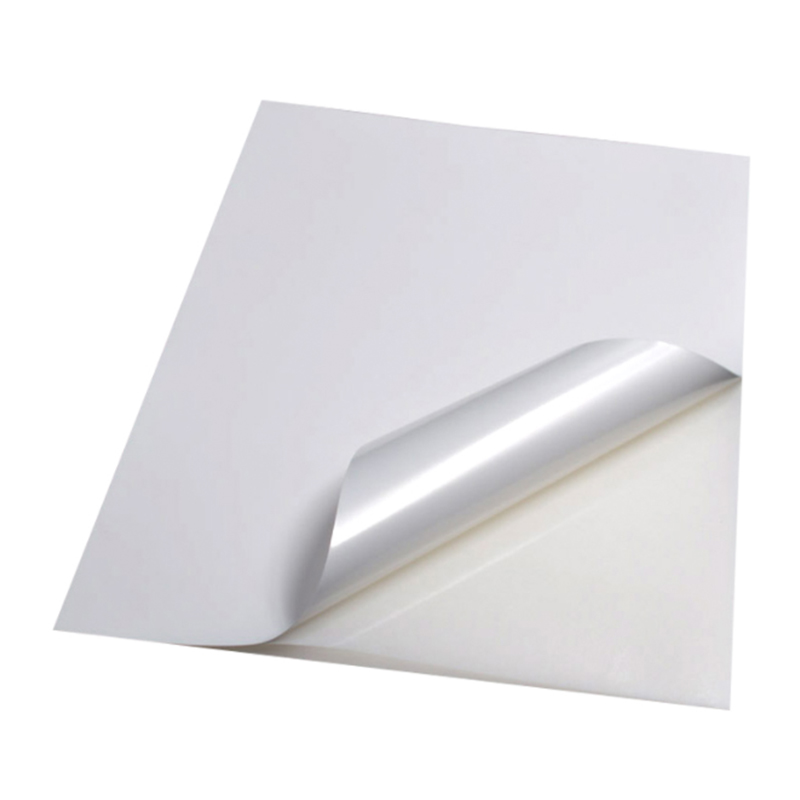
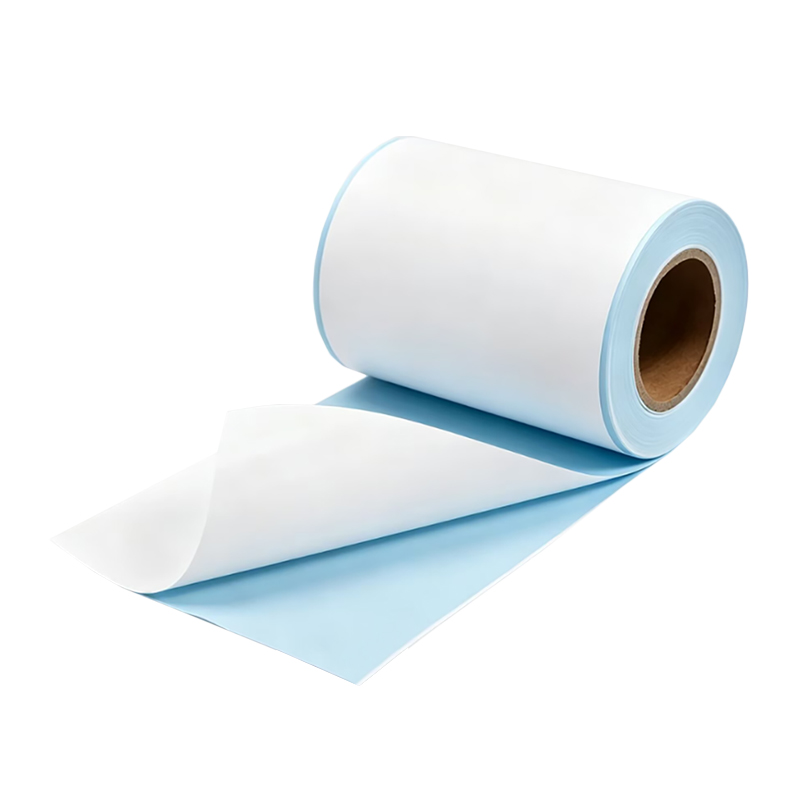
The glassine release liners protect the adhesive until application. They are silicone-coated with controlled release force, giving smooth unwind and clean peeling during die-cutting, slitting and final application. The double-sided silicone-coated liner option adds anti-blocking performance, preventing adjacent layers from sticking together during roll storage and transport. Consistent liner release is especially important for narrow slits and pre-cut strips, where the material must dispense cleanly without adhesive transfer to the backing.
From Splices to Seams: Performance on the Baling Line
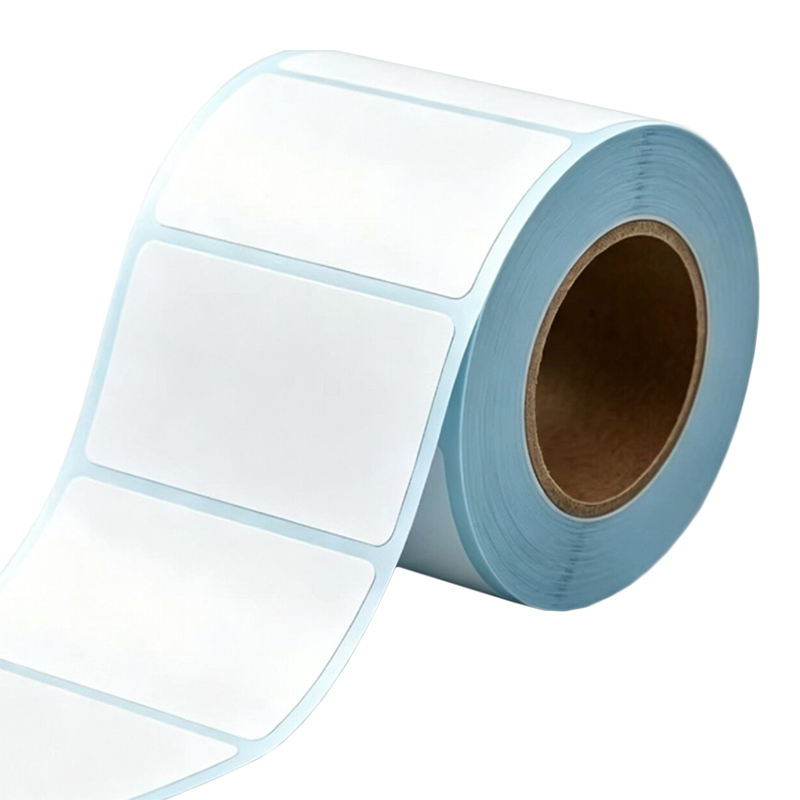
In real baling operations, the double-sided material can be supplied in jumbo rolls or slit to the narrow widths and strip lengths needed for film splicing and seam sealing, on cores matched to the customer's handling or semi-automatic application equipment. The material's dimensional stability helps it run through slitting and converting without shrinking or curling, while the flexible facestock handles the bend and contact pressure of a film overlap. Whether the material is used to join a new film roll to the running web, or to close a film overlap along the bale edge, the goal is a continuous, stable bond that stays closed through wrapping, field storage and transport.
Before bulk production, Guanma provides sample rolls or finished strips for customers to test on their own film type and application method, verifying adhesion, conformability and unwinding behavior under their real working conditions. Technical documentation for the recommended grade covers material structure, adhesive type, liner specification and handling guidance, helping converters and agricultural material buyers set consistent processing parameters.
A Custom-Developed Outdoor Solution from Zhejiang Guanma Packaging
Zhejiang Guanma Packaging Co., Ltd. is located in Jiaxing, Zhejiang province, close to Shanghai, and has more than ten years of experience producing and selling self-adhesive paper and self-adhesive film. The company operates advanced production equipment and a dedicated team focused on adhesive label material production, backed by a complete and scientific quality management system. Its materials serve medicine, food packaging, daily chemical, office, logistics, supermarket, automobile tire, industrial and outdoor-label applications, with the capability to choose different surface materials and adhesive substrates according to different regions and climates.
The PET and PVC double-sided range for baling film splicing and sealing is an example of this custom development focus: a material built around a specific outdoor use case rather than a generic stock item. Guanma supports OEM and custom order requirements, including facestock selection, adhesive formulation, liner choice, slit width and roll format, and works with converters, agricultural packaging suppliers and brand owners to match the outdoor durability level their project requires.
Conclusion
Cotton baling film splicing and sealing call for an adhesive material that bonds well to flexible plastic film, conforms to moving wrap, and survives prolonged sun, rain, humidity and temperature cycling in the open field. Guanma's outdoor-grade double-sided adhesive label materials answer this need with two substrate platforms: strong, dimensionally stable PET polyester film for high-strength joints, and flexible, conformable PVC vinyl film for moving seals, both backed by special adhesives and silicone-coated glassine liners and engineered for UV, weather and aging resistance. If your business supplies baling film, agricultural wrap or outdoor sealing materials and needs a reliable double-sided stock for splices and seams, Guanma's technical team can recommend the suitable PET or PVC construction, arrange trial samples, and support your testing from the good sample through volume production.
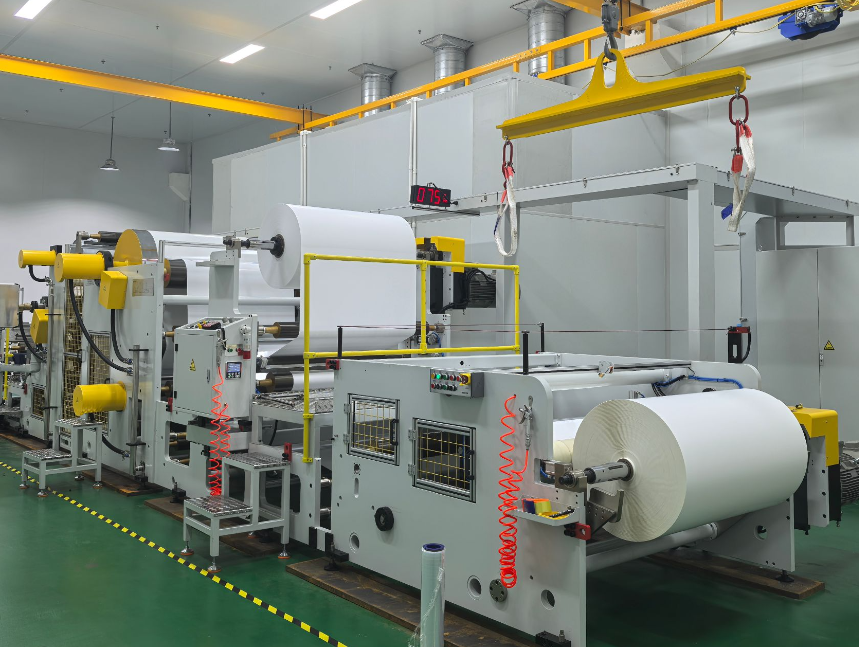
We have a professional R&D team and strong manufacturing capabilities to ensure product quality and delivery while doing a good job in product iteration and innovation.
Address : Building 2. No.111 Xincheng Road, Xitangqiao Street, Haiyan, Jiaxing, Zhejiang Province, China
Phone: +86-150 0573 0249
Tel: + 86-0573-8685 2732
Fax: + 86-0573-8685 2732
E-mail: [email protected]
Copyright© Zhejiang Guanma Packaging Co., Ltd.
 Privacy
OEM Self Adhesive Label Material Manufacturers Waterproof Labels Suppliers Custom Adhesive Label Material Factory