

 English
 русский
 Español
 عربى
عربى
Home / News / Industry News / The Digital Revolution in Labeling: Understanding Self-Adhesive Labels for UV Inkjet Printing
Content
In the fast-paced world of consumer goods and logistics, labels are far more than just stickers; they are vital communicators of brand identity, product information, and regulatory compliance. For decades, the labeling industry relied primarily on analog printing methods like flexography and offset printing. While effective for massive, static print runs, these methods often struggled with the growing market demand for shorter runs, variable data printing, and rapid design changes.
This is where digital printing, and specifically digital UV inkjet printing, has stepped in to revolutionize the process. Digital printing removes the need for traditional plates, making setup fast and cost-effective, even for small batches. This flexibility is perfectly matched by the specialized materials we now call Self-Adhesive Labels for digital UV inkjet print.
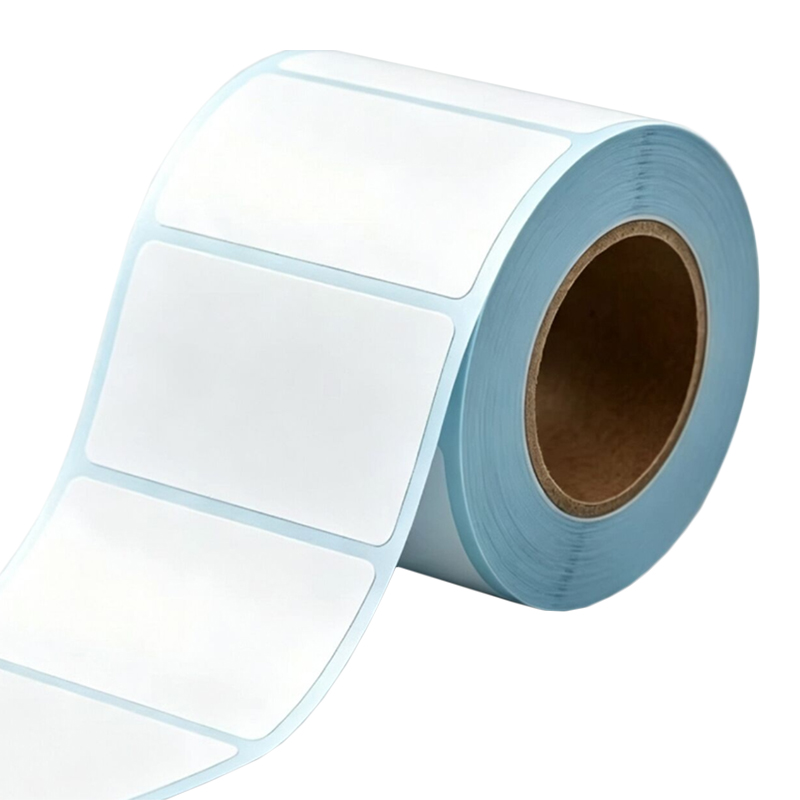
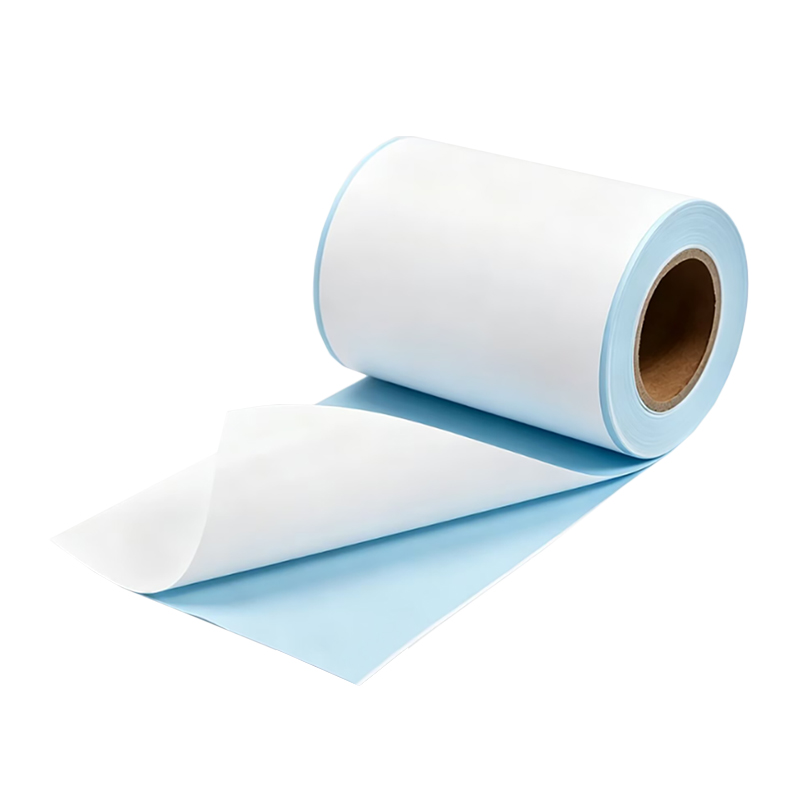
To truly appreciate these labels, we need to understand the core technology and the materials involved. A self-adhesive label is essentially a layered product, and for UV inkjet printing, each layer is carefully selected to interact perfectly with the digital process.
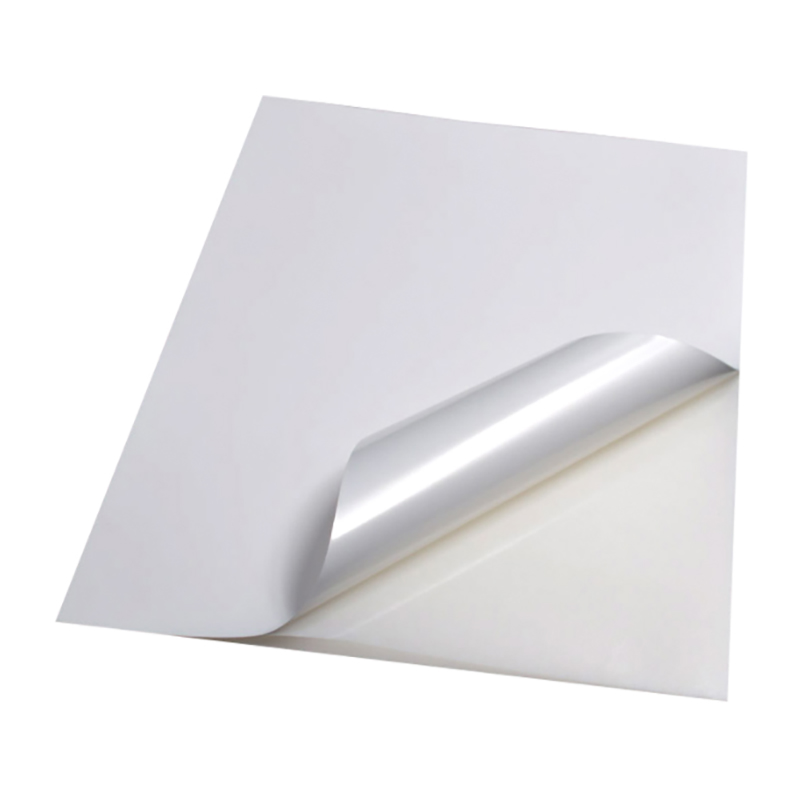
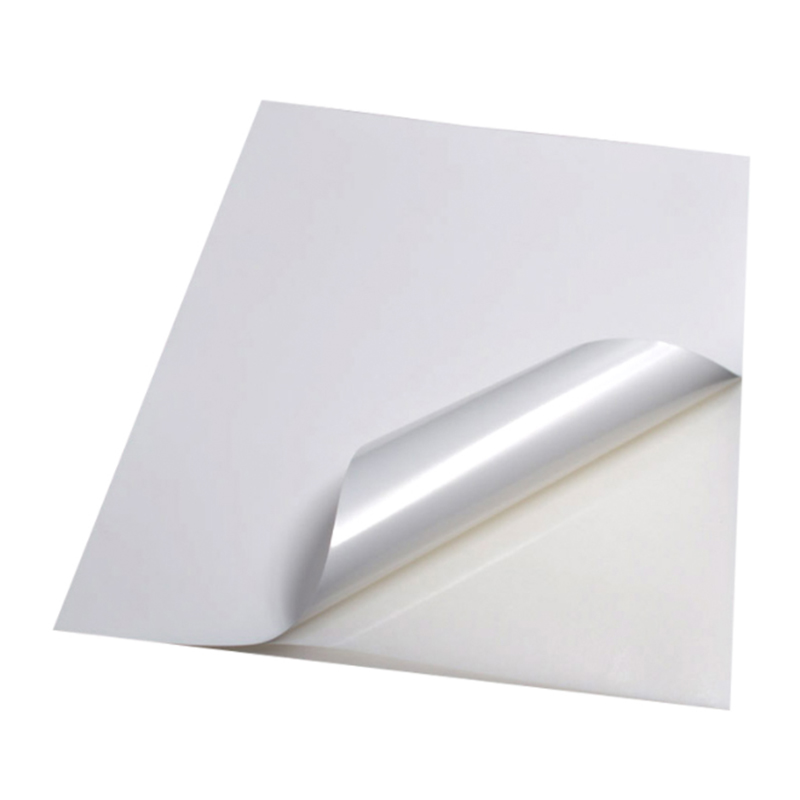
Every self-adhesive label consists of four primary components:
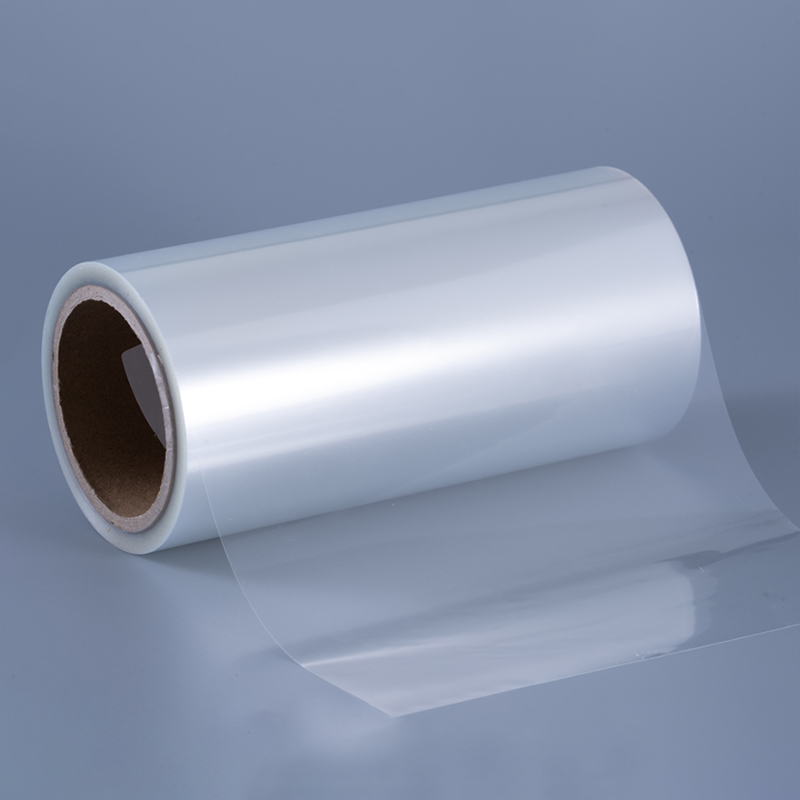
Face Material (Substrate): This is the top layer where the image is printed. For UV inkjet, this material must be specially treated or “top-coated” to ensure optimal adhesion and curing of the UV inks. Common face materials include paper, polypropylene (PP), and polyethylene (PE).
Adhesive: This layer is the “glue” that allows the label to stick to the final product’s surface (the substrate). Adhesives can be permanent, removable, or repositionable, depending on the application. They must be formulated to resist any potential chemical reaction with the UV inks or the curing process.
Release Liner (Backing): This protective layer is coated with silicone, which allows the label to be peeled away easily. The quality of the liner is crucial for smooth feeding and die-cutting in automated labeling machines.
UV inkjet printing is a non-contact, drop-on-demand digital process. The “magic” lies in the ink itself and the curing mechanism.
UV Inks: These inks contain photoinitiators. Unlike traditional solvent or water-based inks that dry through evaporation, UV inks are essentially liquid plastic polymers that remain wet until they are exposed to a specific energy source.
The Curing Process: Immediately after the ink droplets are deposited onto the label’s face material, a powerful beam of ultraviolet (UV) light is shone onto the print. The photoinitiators in the ink instantly absorb the UV energy, triggering a rapid chemical reaction called polymerization. This process instantly solidifies and hardens (or “cures”) the ink, bonding it strongly to the label substrate. This instant curing translates to a durable, scratch-resistant, and high-quality finish without the need for drying time.
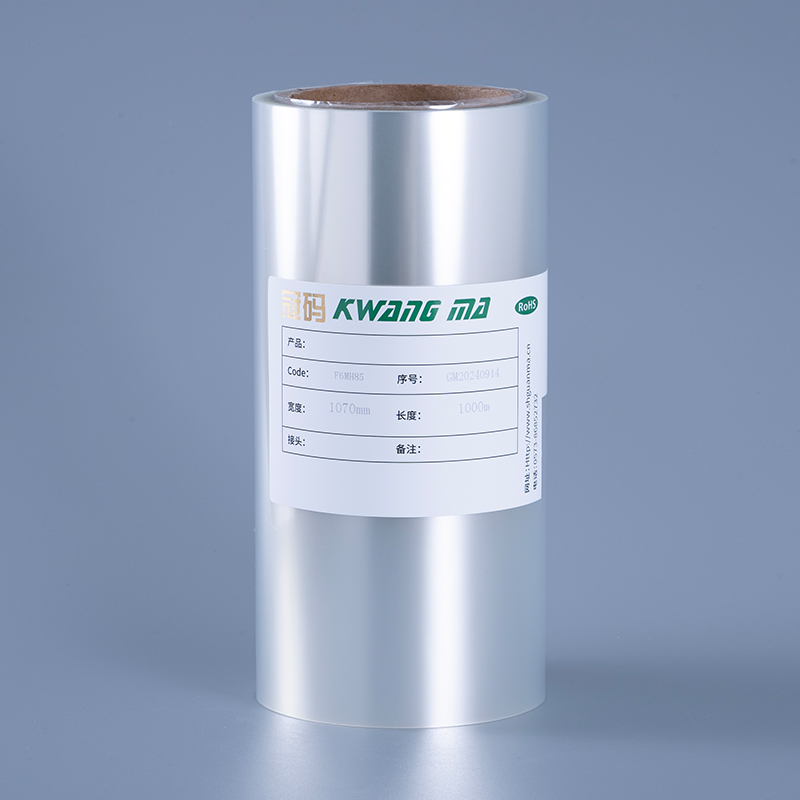
The combination of the specialty self-adhesive material and the UV inkjet technology offers several compelling advantages that drive its popularity across industries from food and beverage to cosmetics and pharmaceuticals.
Because UV inks are chemically cured plastic, they are inherently more robust than many other ink types. This results in labels that are highly resistant to:
This high level of environmental resistance makes them ideal for products exposed to harsh conditions, like industrial chemicals or chilled beverages.
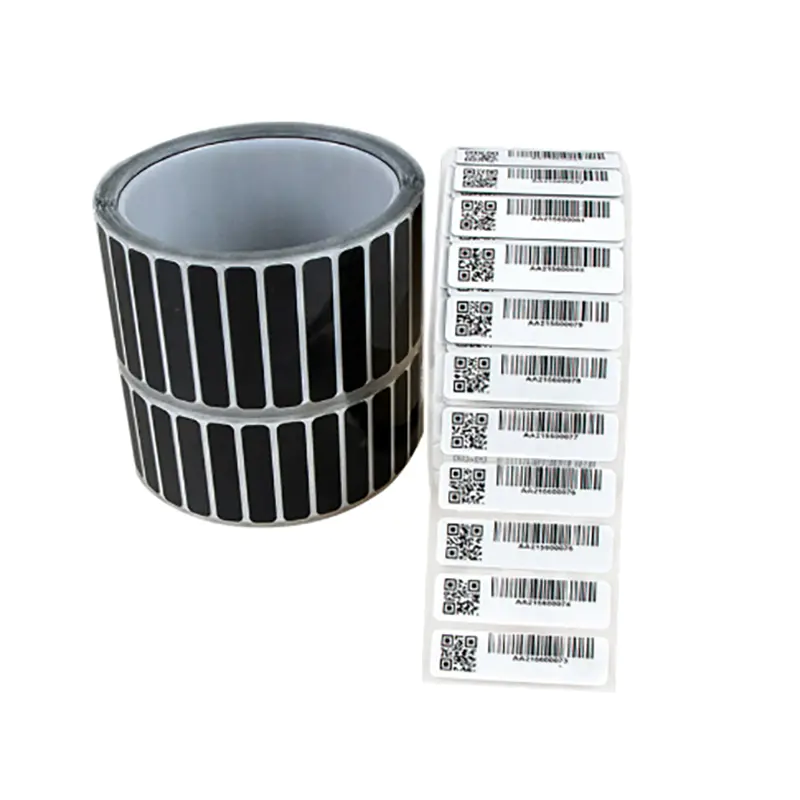
Digital UV inkjet printers can achieve extremely high-resolution prints and a wide, vibrant color gamut. The lack of physical contact in the printing process prevents smearing and allows for the precise placement of ink droplets. This capability is essential for printing intricate graphics, small text, and complex QR codes or barcodes that must be perfectly legible for scanning.
The shift to digital enables just-in-time printing, significantly reducing the need for large label inventories that can become obsolete. The ability to print a few hundred or a few thousand labels with the same ease is a significant economic benefit for small businesses or for products requiring localized, multi-language, or seasonal variations. Furthermore, the capacity for variable data printing (VDP) allows every single label to have unique information—like serial numbers, personalized names, or track-and-trace codes—all within a single print run.
The adoption of Self-Adhesive Labels for digital UV inkjet printing is driving an evolution towards more personalized and responsive packaging. As the technology continues to advance, we will see even more sophisticated capabilities, including integrated smart labels with RFID and NFC technology, all printed with the same durable, high-speed digital process. This digital synergy is not just changing how labels look; it’s changing how brands connect with their customers and manage their supply chains.
We have a professional R&D team and strong manufacturing capabilities to ensure product quality and delivery while doing a good job in product iteration and innovation.
Address : Building 2. No.111 Xincheng Road, Xitangqiao Street, Haiyan, Jiaxing, Zhejiang Province, China
Phone: +86-150 0573 0249
Tel: + 86-0573-8685 2732
Fax: + 86-0573-8685 2732
E-mail: [email protected]
Copyright© Zhejiang Guanma Packaging Co., Ltd.
 Privacy
OEM Self Adhesive Label Material Manufacturers Waterproof Labels Suppliers Custom Adhesive Label Material Factory