

 English
 русский
 Español
 عربى
عربى
Home / News / Industry News / Self Adhesive Label Material Explained: How to Choose the Right One for Your Labels
Content
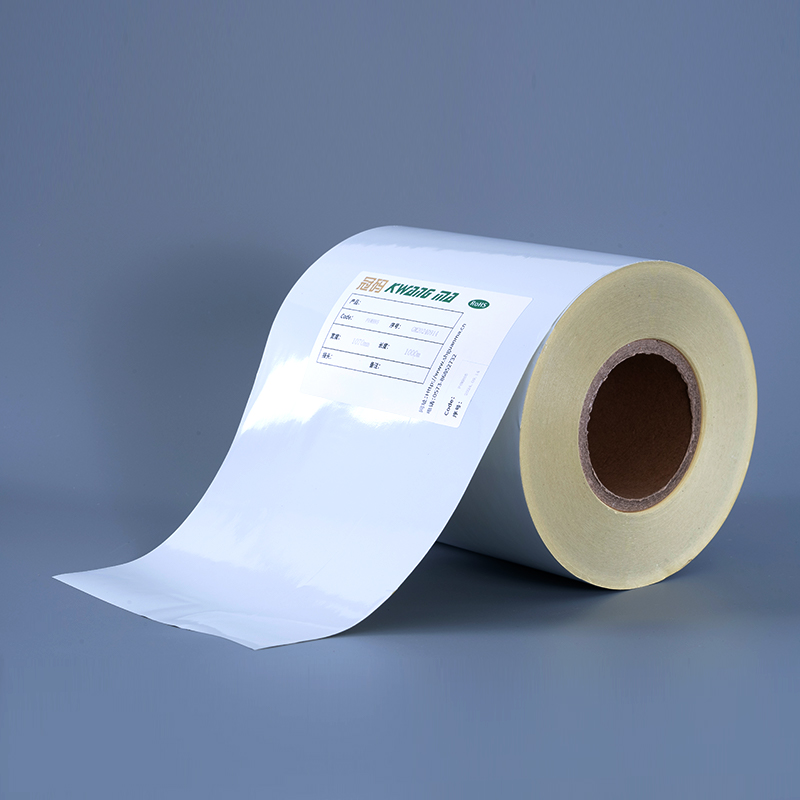
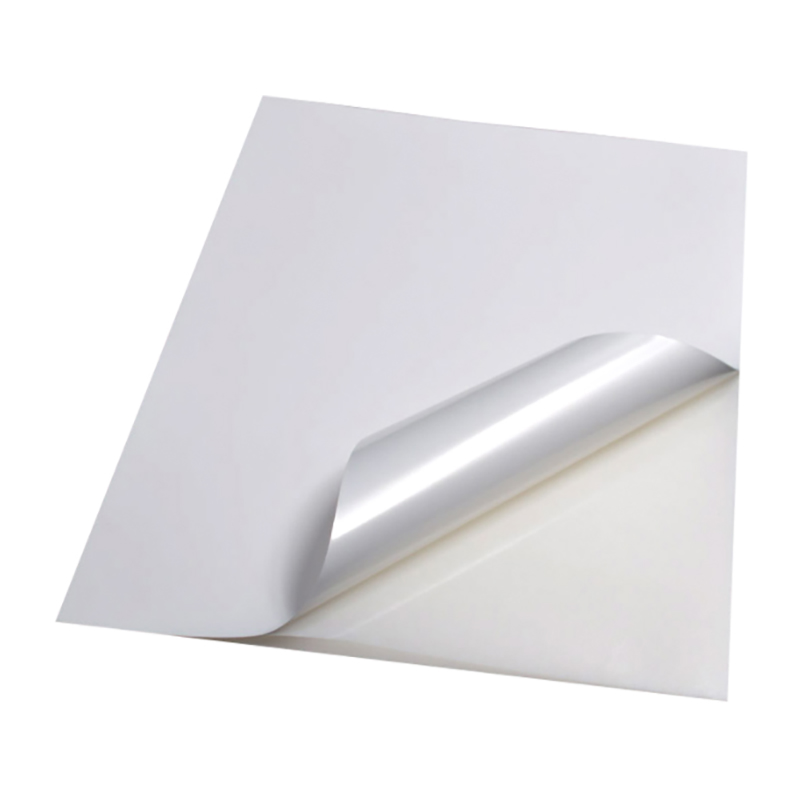
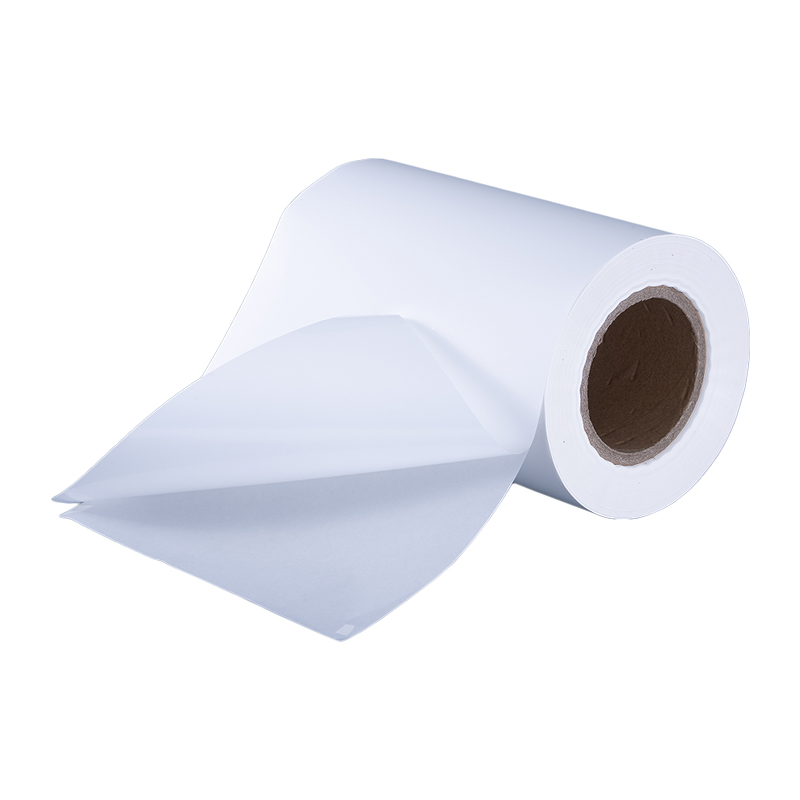
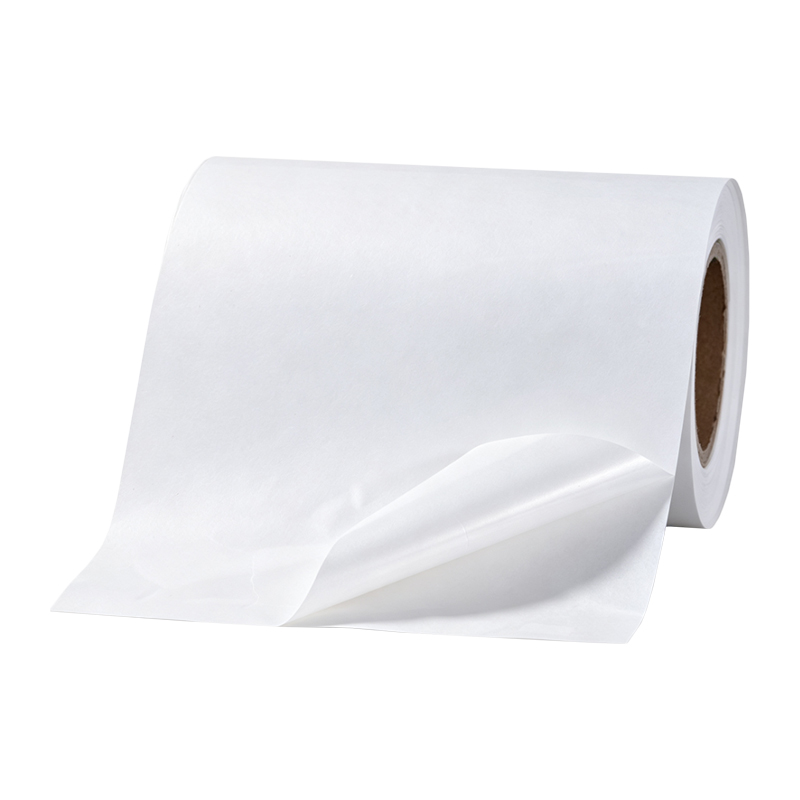
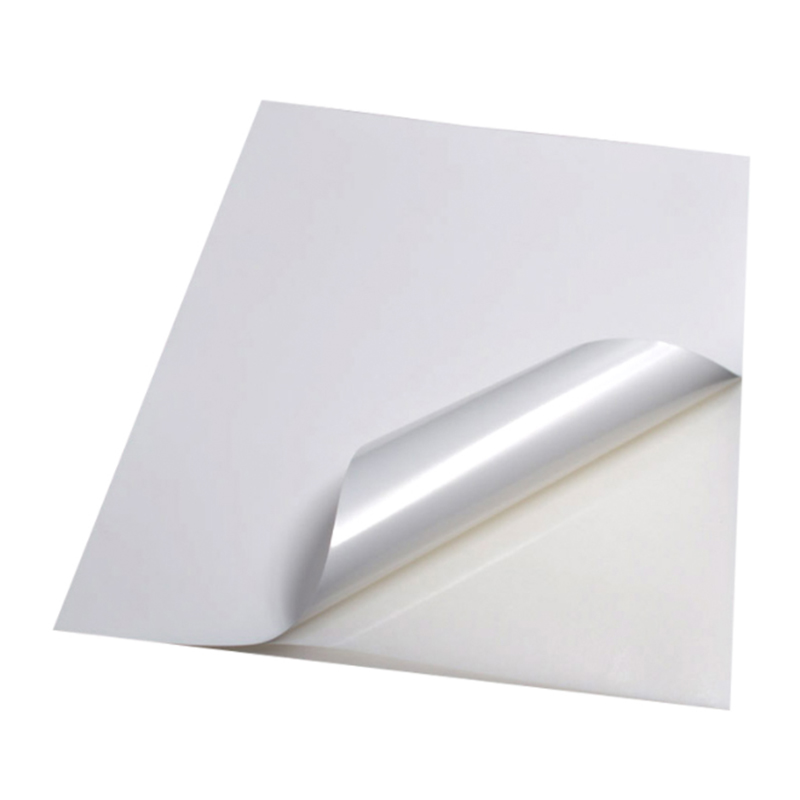
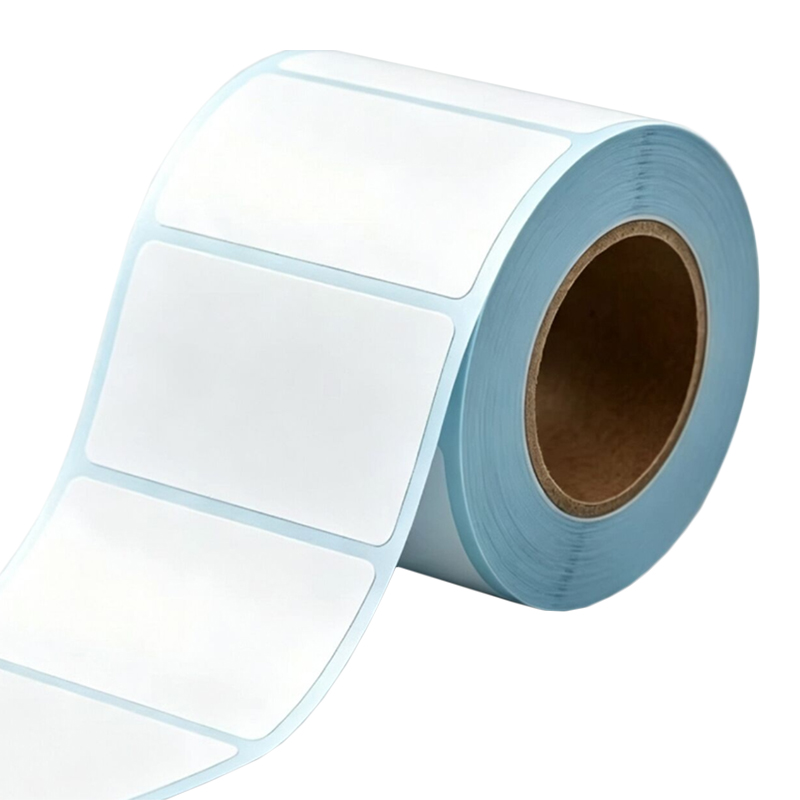
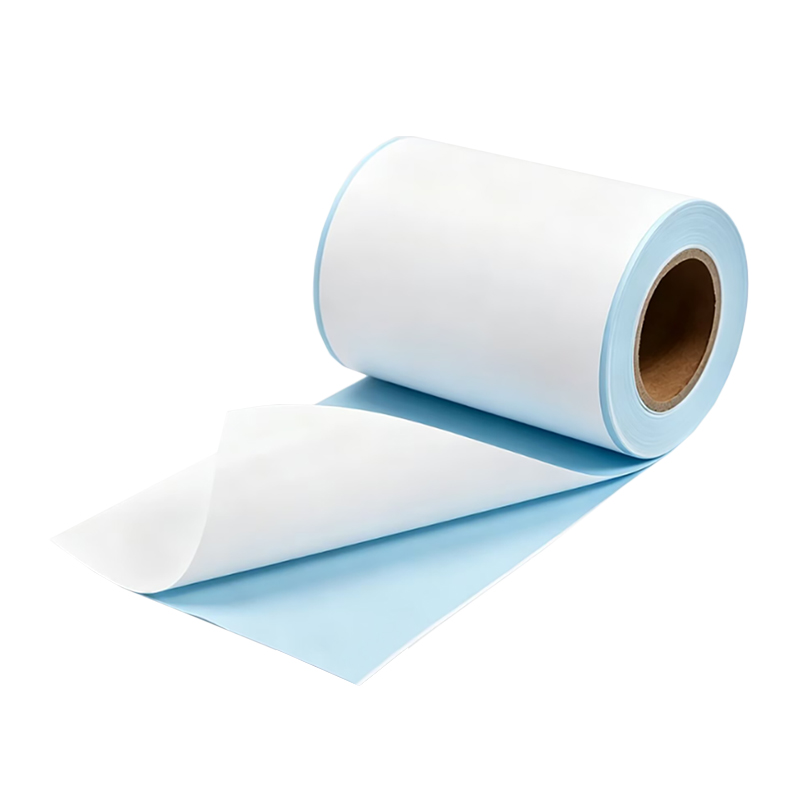
Self adhesive label material — also called pressure sensitive label material or self adhesive label stock — is a multi-layer construction that combines a printable face material, a pressure sensitive adhesive layer, and a release liner into a single composite sheet or roll. When the liner is peeled away, the exposed adhesive bonds the label to a surface with nothing more than light finger pressure, without requiring heat, water, or any additional activation. This is what distinguishes pressure sensitive label material from heat-activated, wet-glue, or hotmelt label formats.
The three-layer sandwich structure is deceptively simple in description but enormously varied in practice. The face material — what you see and print on — can be paper, film, foil, or a specialty substrate. The adhesive can be permanent, removable, repositionable, or ultra-high-bond depending on the application. And the liner, which protects the adhesive during storage and handling, comes in a range of paper and film options with different release coatings and thicknesses. Every one of these layers can be specified independently, which is why the self adhesive label material category encompasses thousands of distinct products suited to applications ranging from retail price tags to outdoor asset tracking labels to pharmaceutical serialization.
Understanding the structure and options within self adhesive label stock is essential for anyone who specifies, purchases, converts, or prints labels — because the wrong material choice leads to print failures, adhesive failure on the surface, premature label degradation, or regulatory non-compliance, all of which are costly and avoidable with the right knowledge upfront.
Before diving into material types, it's worth understanding exactly what each layer does in a self adhesive label construction, because every specification decision flows from this understanding.
The face stock is the top layer of the label — the surface that is printed, branded, and ultimately seen by the end user or read by a scanner. Face stock selection determines the printability of the label (which printing technologies are compatible), the durability of the finished label (resistance to abrasion, moisture, UV, and chemicals), the appearance (gloss, matte, metallic, transparent), and the conformability of the label to curved or irregular surfaces. Paper face stocks are the most economical and are suitable for indoor applications. Film face stocks — polyester, polypropylene, polyethylene, and vinyl — offer superior durability, chemical resistance, and performance in demanding environments.
The adhesive layer sits between the face stock and the liner. In a pressure sensitive construction, the adhesive is formulated to be permanently tacky at room temperature — it bonds instantly on contact with light pressure, without requiring any activation energy. The adhesive chemistry (acrylic, rubber-based, or silicone) and formulation determine the bond strength, the temperature range over which the adhesive performs, the surface types it adheres to (including low-energy plastics and rough surfaces), whether the label can be removed cleanly, and how the adhesive ages over time. Adhesive selection is just as important as face stock selection and is often the detail that trips up buyers who focus only on the visible face material.
The liner is the backing material that protects the adhesive during storage, printing, and die-cutting. It is coated with a release agent — typically a silicone layer — that allows the liner to separate cleanly from the adhesive when the label is dispensed. Liner specification affects handling on high-speed label applicator machines (liner stiffness and thickness determine feed reliability), die-cutting precision (a thicker, stiffer liner holds tighter die-cut tolerances), and waste management after label application (paper liners are more readily recyclable than film liners in most markets). Liner-less label materials — which eliminate the liner entirely using a special face coat — are a growing segment driven by sustainability concerns, though they require compatible printing and application equipment.
The face stock is usually the first specification decision in selecting a self adhesive label material. Here are the most widely used categories, with their key properties and typical applications:
Paper is the most widely used self adhesive label facestock and is available in a huge range of weights, coatings, and finishes. Coated papers — gloss, semi-gloss, and matte — have a mineral or polymer surface coating that improves ink hold-out, print sharpness, and smear resistance compared to uncoated stocks. Gloss coated paper is the default for retail product labels, food labels, and logistics labels where bright, sharp print quality is the priority. Matte coated paper gives a more premium, less reflective appearance and is popular in cosmetics, wine, and specialty food packaging. Uncoated papers — including vellum and kraft — have a natural texture that suits artisanal, organic, and premium brand aesthetics, though print resolution is lower than on coated stocks. Paper labels are suitable for indoor and short-term outdoor use but are not inherently waterproof and will degrade rapidly in wet or humid conditions unless treated with a laminate overcoat.
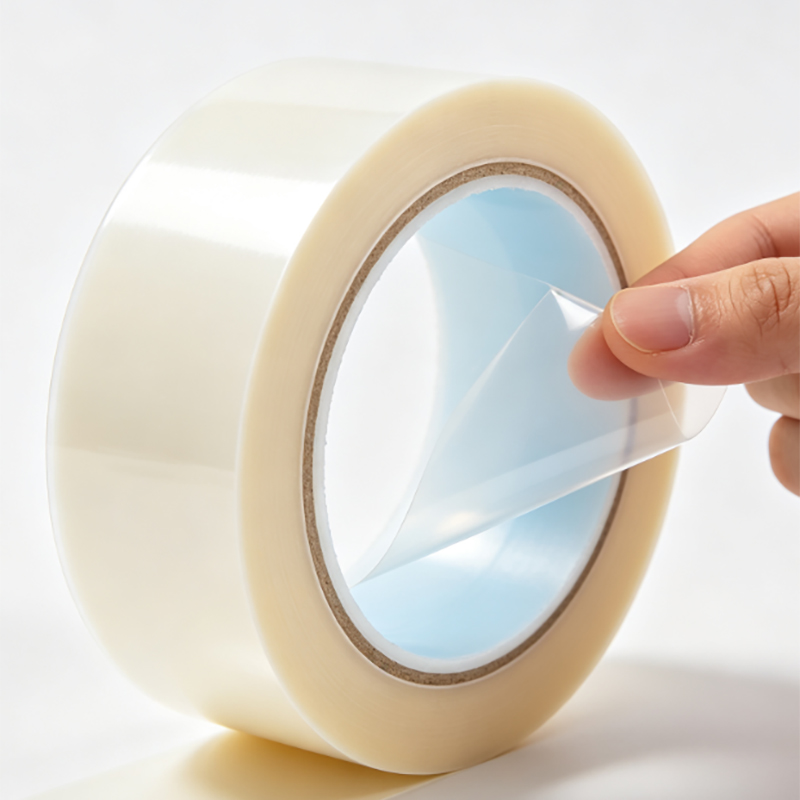
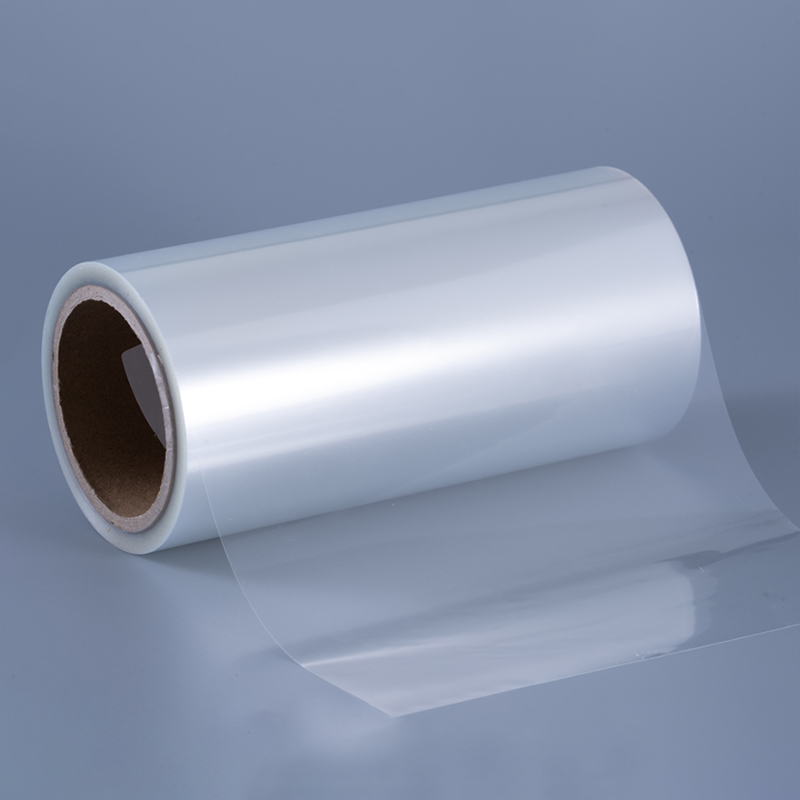
BOPP film is the most popular film face stock for pressure sensitive labels globally, particularly in food and beverage packaging. It is lightweight, moisture-resistant, conformable to curved surfaces like bottles and jars, and available in clear, white, and metallized finishes. Clear BOPP over a clear adhesive and clear liner creates the popular "no-label look" used extensively in beverage labeling, where the label appears to be printed directly on the container. White BOPP provides excellent opacity and a bright print surface comparable to paper but with significantly better moisture and tear resistance. BOPP labels are compatible with flexographic, digital, and screen printing and can receive varnish, laminate, and cold foil finishing.
Polyester label stock is chosen for applications requiring high dimensional stability, chemical resistance, and performance across a wide temperature range. PET labels resist solvents, oils, acids, and alkalis far better than paper or BOPP, making them the preferred choice for laboratory sample labeling, industrial component marking, chemical drum labels, and electrical component identification. Polyester does not tear easily and maintains its dimensional stability at temperatures from -40°C to over 150°C, making it suitable for labels applied before heat treatment processes, autoclave sterilization, or cryogenic storage. Silver and clear metallized polyester is also used for decorative and security label applications.
Vinyl label material is highly conformable and flexible, making it ideal for application to curved, textured, or irregular surfaces where a stiffer film would lift or crease at the edges. It is weather-resistant and UV-stable, which makes vinyl the go-to choice for outdoor equipment labels, automotive decals, construction equipment identification, and outdoor asset tags. Vinyl is also the standard substrate for cut-vinyl graphics and sign applications. The main limitation of vinyl is environmental — PVC-based materials face increasing regulatory scrutiny in some markets, and alternatives including polyethylene and polypropylene are being specified in sustainability-focused supply chains.
Polyethylene label films — both HDPE and LDPE grades — are extremely flexible and conformable, with excellent moisture resistance. PE labels are the preferred choice for squeezable containers (shampoo bottles, condiment bottles, and similar packaging) where the label must flex repeatedly without cracking. PE films are also used in freezer and refrigerator applications, and as an environmentally preferred alternative to vinyl in some markets. The lower stiffness of PE compared to polyester or BOPP makes it more challenging to handle on high-speed label application equipment, so liner specification and adhesive tack must be carefully matched to the dispensing system.
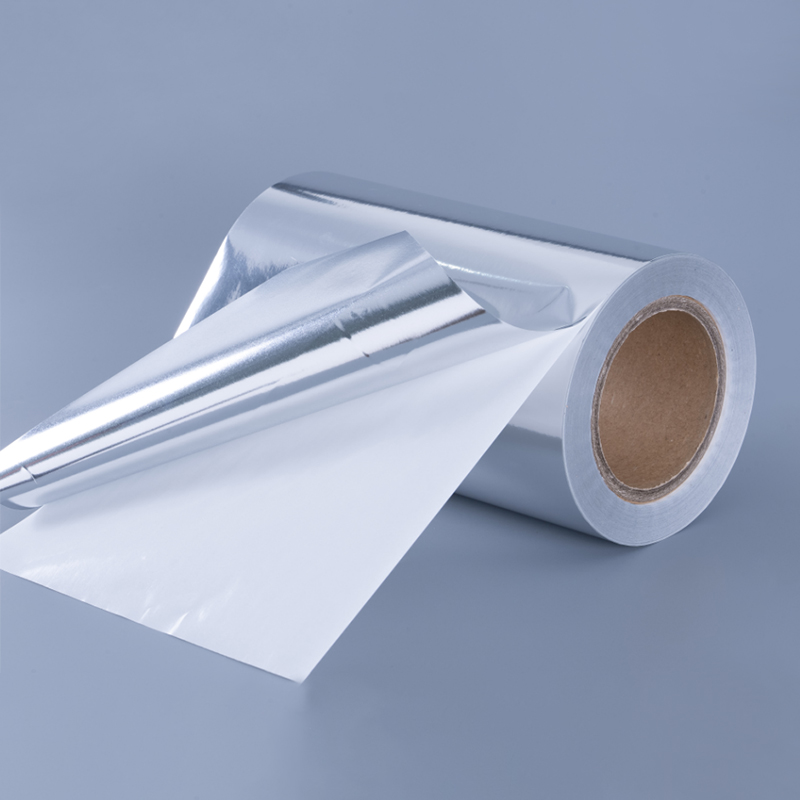
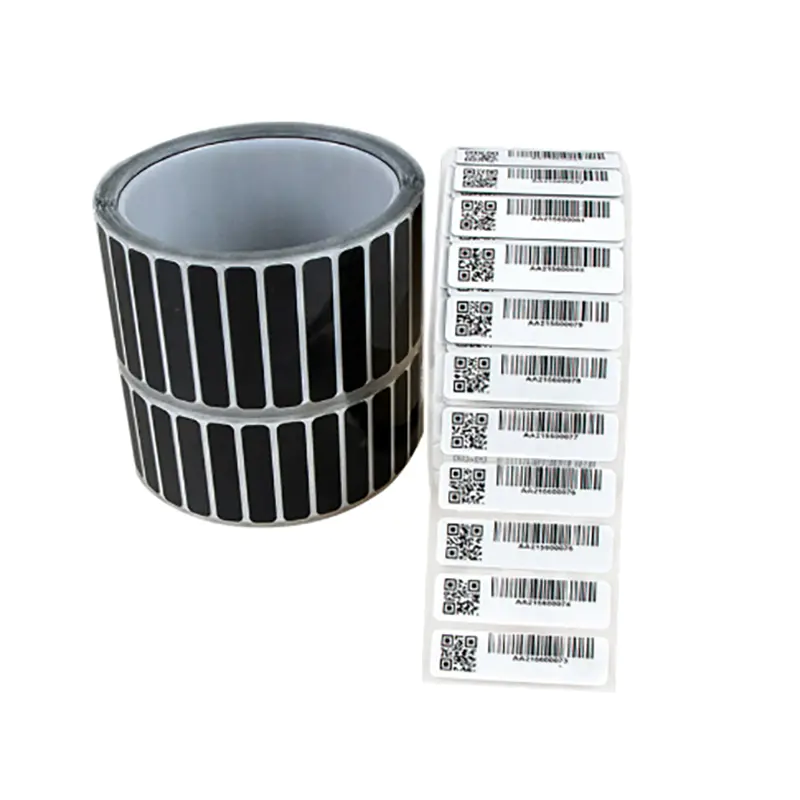
Beyond the mainstream face stocks, the self adhesive label material market includes a range of specialty substrates for specific applications. Destructible vinyl is a thin, brittle face stock that tears into small fragments when removal is attempted — making it impossible to transfer the label intact and therefore ideal for warranty void, tamper-evident, and security sealing applications. Metallic foil face stocks — aluminum and holographic foil — are used for premium brand decoration, security labels, and heat-resistant marking. Thermal transfer-printable polyester and polypropylene are optimized for direct thermal or thermal transfer barcode label printing in logistics, warehousing, and manufacturing environments. Textile and fabric label materials with woven or non-woven face stocks are used for garment labeling, patch applications, and medical device labeling where flexibility and soft touch are required.
The adhesive layer is the most performance-critical component of a self adhesive label material for many applications — yet it's the one most buyers pay the least attention to. Here's a comparison of the main adhesive categories:
| Adhesive Type | Bond Strength | Removability | Temp Range | Best For |
| Standard Permanent Acrylic | High | None (destructive) | -20°C to 100°C | General product labeling, logistics |
| Removable Acrylic | Medium | Clean removal | 0°C to 80°C | Price labels, promotional labels, reusable assets |
| High-Tack Permanent | Very High | None | -30°C to 120°C | Low-energy plastics (PE, PP), rough surfaces |
| Freezer / Low-Temp | High | None | -40°C to 70°C | Frozen food, cold chain, laboratory cryogenic |
| Rubber-Based | High (initial) | Partial | -10°C to 65°C | Short-duration applications, cardboard surfaces |
| Silicone Adhesive | Moderate | Good | -60°C to 260°C | High-temperature industrial, medical, cookware |
| Ultra-Removable / Repositionable | Low to Medium | Full, residue-free | 5°C to 60°C | Retail shelf labels, repositionable signage |
One of the most common adhesive selection mistakes is applying a standard permanent acrylic adhesive to low-surface-energy (LSE) substrates like untreated polyethylene or polypropylene containers. On these surfaces, standard acrylic adhesives fail to wet out properly and produce poor initial tack and bond strength. High-tack adhesives with specific formulations for LSE surfaces are required. Similarly, applying labels to cold or frozen surfaces requires a freezer-grade adhesive that remains tacky at sub-zero temperatures — standard adhesives become rigid and lose tack, resulting in labels that fall off in cold storage.
Rather than selecting face stock and adhesive independently, it's more practical to think about the most common application-to-material pairings that are proven in the market. Here is a guide to the most frequently used combinations:
The release liner is often treated as an afterthought — something that gets thrown away after label application — but liner selection has significant consequences for converting performance, dispensing reliability, and environmental sustainability.
Glassine, kraft, and super-calendered kraft (SCK) paper liners are the most widely used and most cost-effective options. Glassine — a smooth, semi-transparent paper — is the standard liner for most pressure sensitive label materials. It has good dimensional stability, holds tight die-cut tolerances, and feeds reliably through most label printing and dispensing equipment. Kraft liners are stiffer and more opaque, used where liner rigidity is needed for heavy or large-format label formats. Paper liners are generally easier to recycle than film liners and are the preferred option in sustainability-focused supply chains where liner waste recycling programs are in place.
PET (polyester) and BOPP film liners offer superior dimensional stability compared to paper, particularly in high-humidity environments where paper liners can absorb moisture and distort. Film liners are specified for high-speed automated label application where consistent liner thickness and flatness are critical to dispensing accuracy, and for die-cutting applications requiring very fine labels or tight tolerances. PET film liners also enable the production of very thin, conformable label constructions where a paper liner would add too much stiffness. The main drawback is cost — film liners are significantly more expensive than glassine — and environmental considerations around film waste disposal.
Liner-free label materials eliminate the release liner entirely by applying a special release coating to the back of the face stock. Labels are dispensed directly from a roll with no liner waste generated. This can reduce material costs by 15–25% and eliminates the challenge of liner waste disposal, which is a significant issue in high-volume label operations. However, liner-free materials require dedicated compatible printers and applicators — standard label printing and dispensing equipment cannot be used without modification. Adoption is growing in logistics and retail, where high-volume label waste is a documented sustainability concern.
When sourcing self adhesive label material — whether in sheet form for digital printing or in roll form for flexographic or thermal printing — these are the specifications that matter most for performance and compatibility:
We have a professional R&D team and strong manufacturing capabilities to ensure product quality and delivery while doing a good job in product iteration and innovation.
Address : Building 2. No.111 Xincheng Road, Xitangqiao Street, Haiyan, Jiaxing, Zhejiang Province, China
Phone: +86-150 0573 0249
Tel: + 86-0573-8685 2732
Fax: + 86-0573-8685 2732
E-mail: [email protected]
Copyright© Zhejiang Guanma Packaging Co., Ltd.
 Privacy
OEM Self Adhesive Label Material Manufacturers Waterproof Labels Suppliers Custom Adhesive Label Material Factory