

 English
 русский
 Español
 عربى
عربى
Home / News / Industry News / PP Self-Adhesive Label Material: Why It Works for Both Flexo, Screen, and Digital UV Inkjet Printing
Content
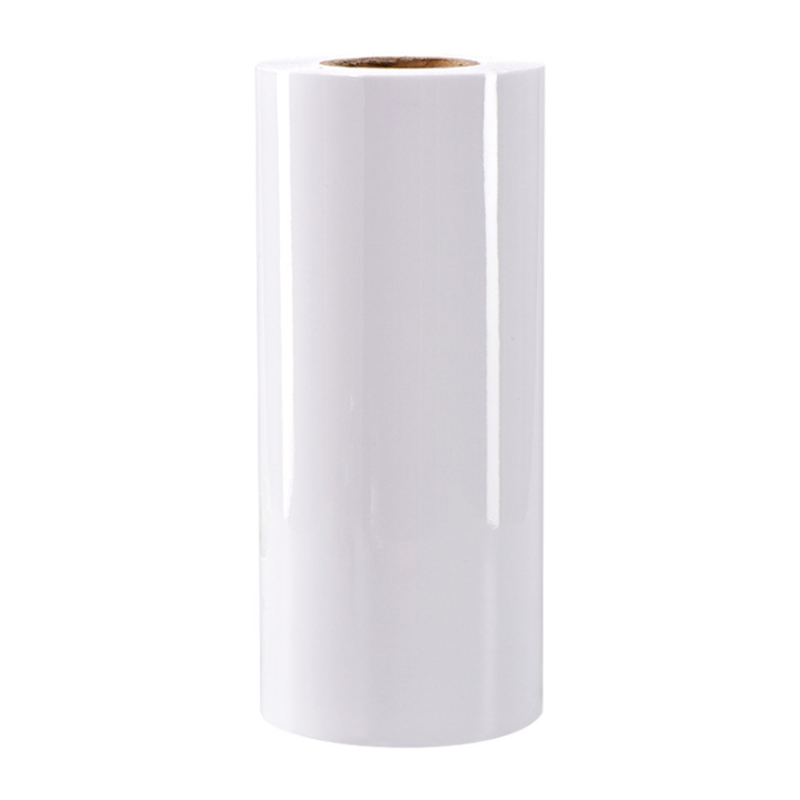
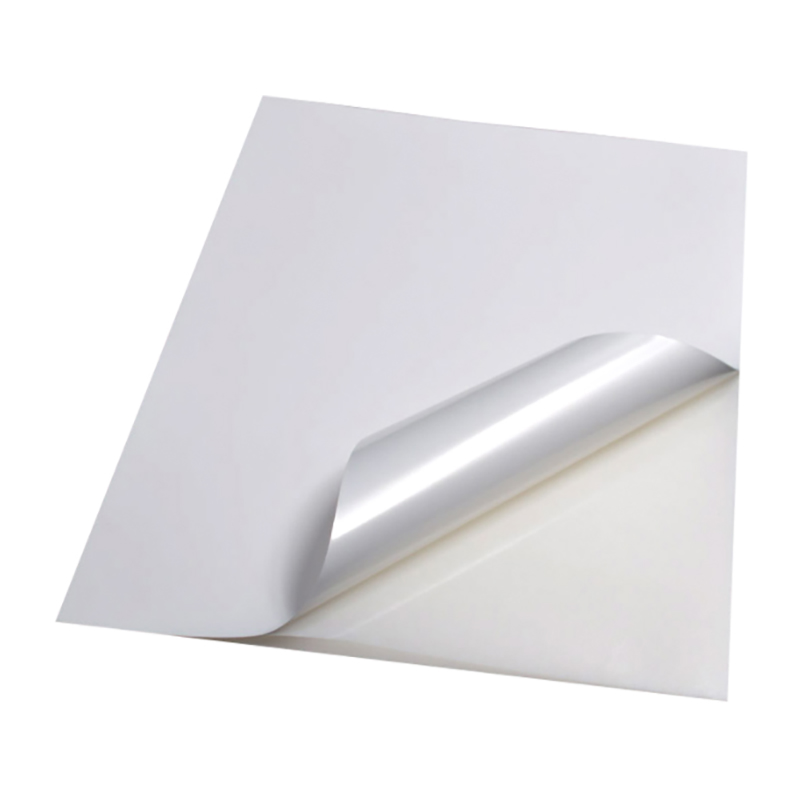
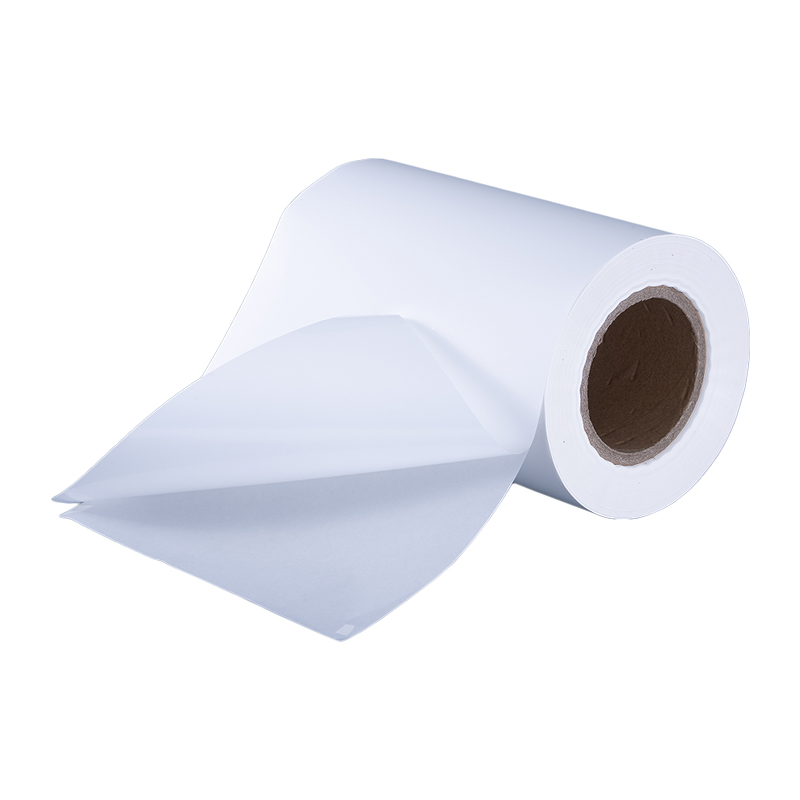
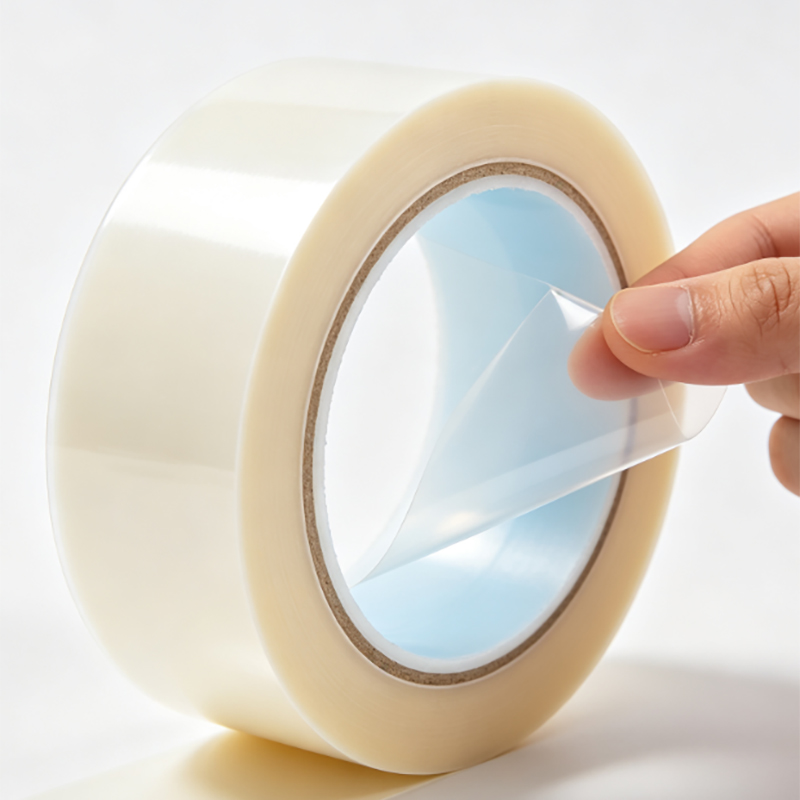
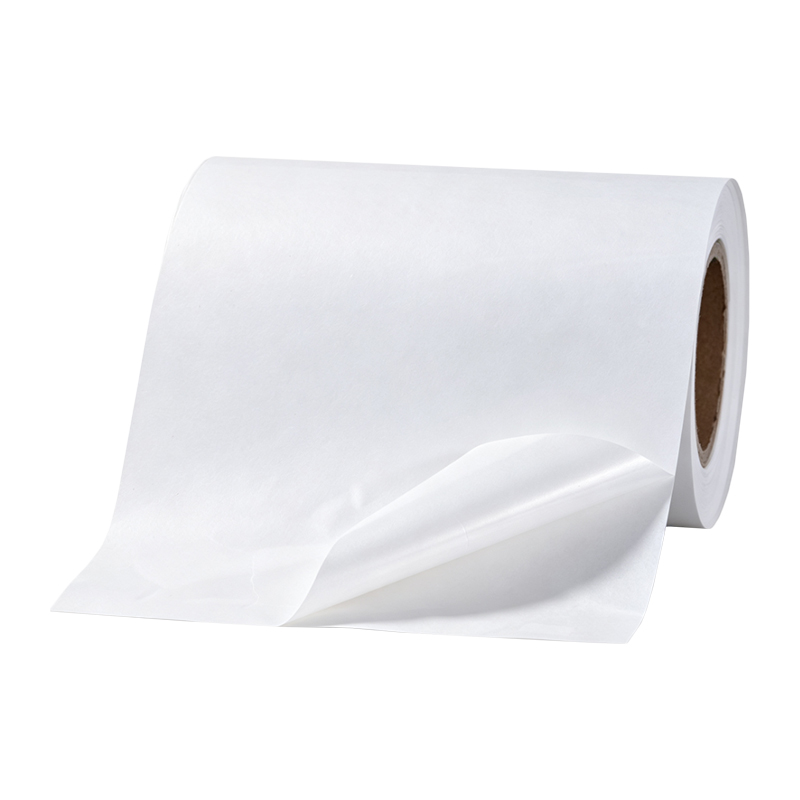
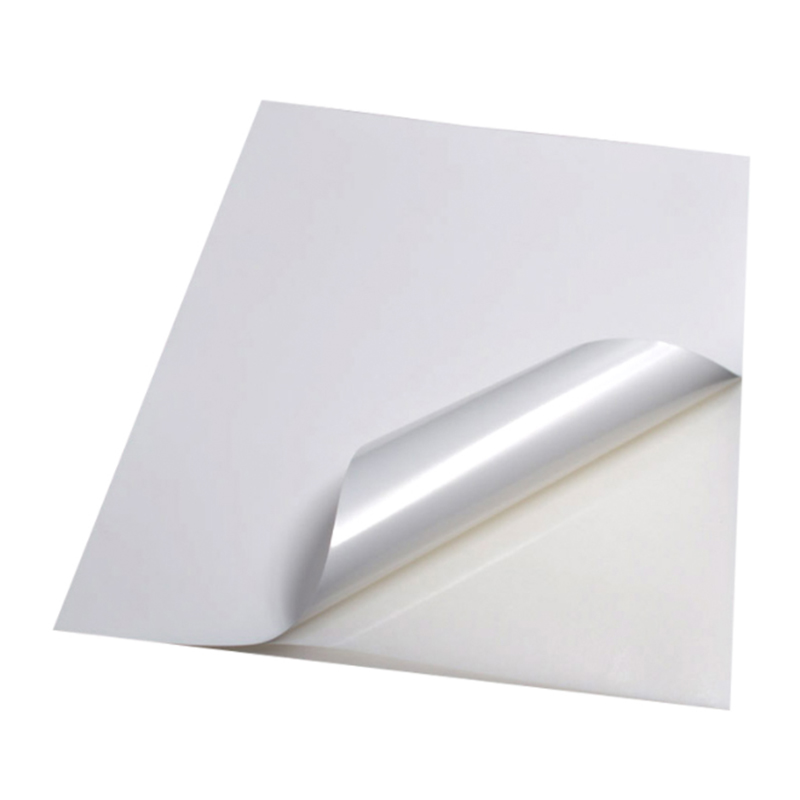
PP self-adhesive label material — short for Polypropylene self-adhesive label material — is a pressure-sensitive labeling substrate made from polypropylene film coated with an adhesive layer on the back and a release liner underneath. When you peel the liner and press the label onto a surface, the adhesive bonds without needing heat, water, or any additional activation. This "peel and stick" mechanism is why the category is often described as self-adhesive, pressure-sensitive, or simply PSA label material.
Polypropylene itself is a thermoplastic polymer known for being lightweight, chemically resistant, moisture-proof, and dimensionally stable. These physical properties make PP film an excellent face stock for labels that need to perform in demanding environments — from refrigerated food packaging to industrial chemical containers, personal care bottles, and outdoor product tags. Unlike paper labels, PP labels will not absorb moisture, wrinkle, or fall apart when exposed to water, oils, or condensation.
One of the most commercially significant characteristics of PP self-adhesive label material is its broad printing compatibility. It is engineered to accept ink from both traditional analog printing methods — particularly flexographic and screen printing — and modern digital UV inkjet printing systems. This dual compatibility is not accidental; it is the result of specific surface treatment processes applied during manufacturing, primarily corona treatment and the application of specialized topcoats or primers designed to anchor a wide range of ink chemistries.
Understanding the layered construction of PP label material helps explain why it performs reliably across such different printing technologies. A standard PP self-adhesive label stock consists of four primary layers, each serving a distinct function:
| Layer | Material | Function |
| Top coating / Printable surface | Ink-receptive primer or topcoat | Anchors ink; enables flexo, screen, and UV inkjet adhesion |
| Face stock | Biaxially oriented PP (BOPP) or cast PP film | Structural base; provides moisture resistance and dimensional stability |
| Adhesive layer | Acrylic, rubber, or hot-melt PSA | Bonds label to substrate on application |
| Release liner | Silicone-coated paper or PET film | Protects adhesive until application; carries the label through press |
The face stock is most commonly made from biaxially oriented polypropylene (BOPP) — a film that has been stretched in both the machine and transverse directions to improve clarity, stiffness, and tensile strength. Clear BOPP is used for "no-label look" applications on glass or clear plastic bottles, while white or silver BOPP provides a more opaque, printable surface for standard product labeling. Cast PP, which is not stretched after production, offers superior conformability for curved or irregular surfaces such as squeeze bottles and containers with embossed surfaces.
Flexographic printing — commonly called flexo — is the dominant printing process in the self-adhesive label industry worldwide. It uses flexible photopolymer or rubber printing plates mounted on rotating cylinders, with fast-drying solvent-based, water-based, or UV-curable inks transferred via an anilox roller. Flexo presses run at high speeds, making them highly efficient for large-volume label runs, and they are capable of printing on a wide variety of substrates, including PP films.
PP self-adhesive label material is formulated to be fully compatible with all three major flexo ink systems. The corona-treated or primer-coated surface of the PP face stock ensures that inks wet out evenly across the film surface, preventing bead-up or fisheye defects that untreated polypropylene would cause due to its naturally low surface energy. For UV flexo specifically — the most common configuration in modern narrow-web label presses — the printable surface of PP label material is engineered to allow UV-curable inks to cure quickly and bond durably under UV lamp or LED-UV exposure.
Key performance benefits of PP self-adhesive label material in flexo printing include:
Screen printing applies thick ink deposits through a mesh stencil onto the substrate, producing exceptional ink opacity and tactile texture effects that are impossible to replicate with flexo or digital printing alone. In the label industry, screen printing is frequently used for specialty applications requiring opaque white ink as a base on clear or metallic PP films, high-build gloss or matte varnishes, thermochromic or photochromic inks, and raised tactile effects.
PP self-adhesive label material handles screen printing well because the treated face stock can accept the solvent-based and UV-curable inks most commonly used in label screen printing. The non-absorbent nature of PP film is actually an advantage here — it forces the ink to sit on the surface and cure or dry rapidly rather than soaking in unevenly, which results in more consistent ink film thickness and better color uniformity across the printed area. The flat, smooth surface of BOPP in particular provides an ideal foundation for the fine mesh squeegee contact required in screen printing.
Many label converters combine screen printing with flexo printing on the same press pass — using flexo for process colors and screen printing for a high-opacity white, a specialty varnish, or a security feature. PP self-adhesive label material that is designed for multi-process compatibility makes this kind of hybrid production straightforward, as the face stock surface is consistent enough to handle both ink systems without requiring different material grades for each.
Digital UV inkjet printing has transformed the label industry over the past decade. Systems from manufacturers like HP Indigo, Durst, EFI Jetrion, Domino, and Epson SurePress print directly from digital files onto label stock without printing plates, enabling short runs, variable data, rapid job changeovers, and on-demand production in ways that analog presses cannot match. For brand owners needing versioned labels, regional SKU variations, promotional editions, or personalized packaging, digital UV inkjet has become indispensable.
PP self-adhesive label material engineered for digital UV inkjet printing is specifically formulated with a topcoat that manages two critical challenges unique to inkjet: ink spreading (dot gain) and adhesion of UV-curable inkjet inks, which have different chemistry and surface tension requirements than flexo or screen inks. The topcoat controls how inkjet droplets spread upon landing, ensuring sharp dot reproduction and accurate color matching, while simultaneously providing the surface energy and chemistry needed for UV-cured inkjet ink to bond without cracking, peeling, or scratching off during label use.
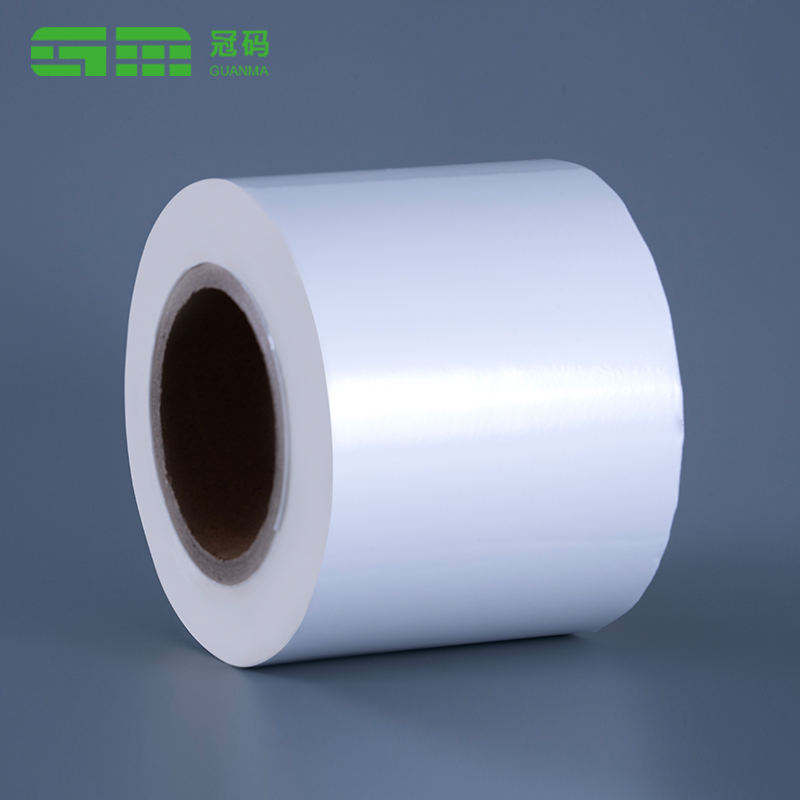
Key reasons why digital UV inkjet-compatible PP label material matters in production:
Polypropylene in its raw, untreated state has a surface energy of approximately 29–31 mN/m — far too low for most inks to wet out and adhere properly. Ink on untreated PP will bead up and peel off rather than forming a durable bond. Making PP label material printable across multiple ink systems requires raising this surface energy through treatment processes applied during or after film production.
The most widely used surface activation method, corona treatment passes the PP film through a high-voltage electrical discharge that oxidizes the surface, introducing polar functional groups (hydroxyl, carbonyl, and carboxyl groups) that increase surface energy to 38–44 mN/m or higher. This is sufficient for many flexo and screen printing applications. However, corona treatment is temporary — surface energy gradually decreases over weeks or months due to molecular chain migration — so film treated well in advance of printing may require re-treatment.
For premium PP self-adhesive label materials designed for both analog and digital UV inkjet printing, manufacturers apply a functional coating over the corona-treated surface. This coating — often an aqueous polyurethane, acrylic, or specially formulated inkjet-receptive primer — serves as a permanent ink-anchoring layer that is stable over the shelf life of the material. The specific chemistry of the topcoat determines which ink systems the material can accept: a coating optimized for UV inkjet must manage droplet spread and UV cure chemistry, while a coating for solvent-based screen inks needs different surface energy and porosity characteristics. Premium multi-process PP label materials balance these requirements in a single topcoat formulation, making them genuinely compatible with flexo, screen, and digital UV inkjet without separate material grades.
PP self-adhesive label materials come in several distinct variants, each with its own surface characteristics and printing suitability profile. Choosing the right variant for your printing process is as important as the print technology itself.
| PP Variant | Flexo | Screen | Digital UV Inkjet | Typical Application |
| White BOPP | Excellent | Excellent | Excellent | Food & beverage, personal care, household products |
| Clear BOPP | Excellent | Good | Excellent | No-label look, clear glass/bottle labeling |
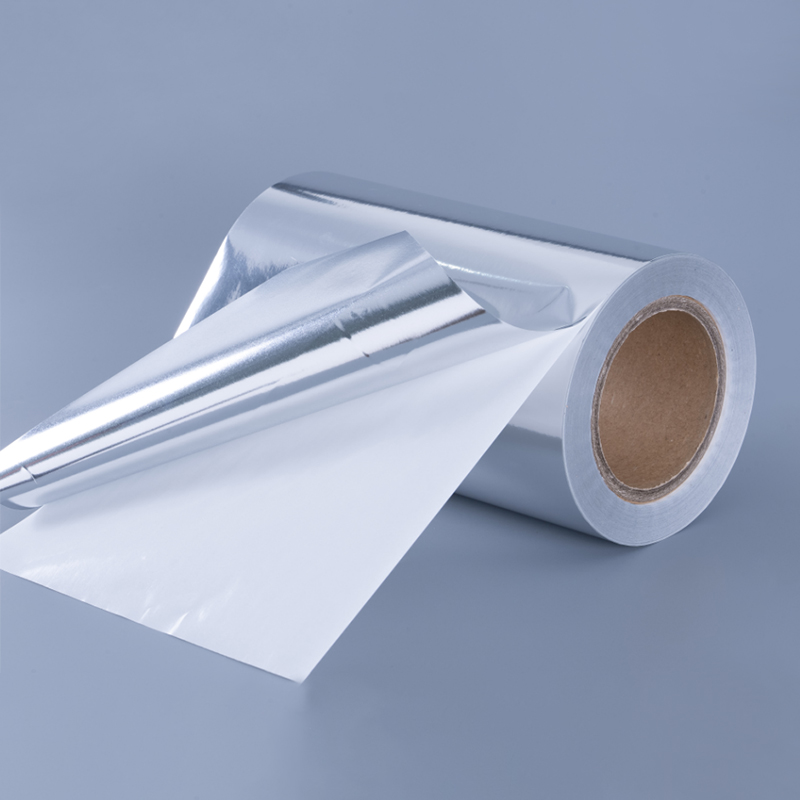
| Silver/Metallic BOPP | Excellent | Excellent | Good | Premium spirits, cosmetics, industrial products |
| Matte White PP | Excellent | Good | Excellent | Craft products, wine, pharmaceutical labels |
| Conformable Cast PP | Good | Good | Good | Squeeze bottles, curved containers, flexible packaging |
White BOPP is the most universally printable variant and the industry default for general-purpose label production. Clear BOPP requires white ink as a base in most printing scenarios to make colors appear correctly against transparent backgrounds — a step that flexo and screen presses handle easily inline, and that digital UV inkjet presses can also apply as a white ink layer before the color pass. Metallic BOPP may require specific inkjet-optimized topcoats to achieve the same adhesion levels as on white or clear variants, so it is worth confirming media certification with your digital press manufacturer before committing to a large run.
With so many PP self-adhesive label materials available from different manufacturers, selecting the right product for your specific printing setup requires attention to several practical factors beyond simply "it works with flexo and inkjet."
The combination of PP's physical durability and its broad printing compatibility makes PP self-adhesive label material the material of choice across a remarkably diverse range of industries. Understanding how different sectors use this material illustrates the practical value of its multi-process printing flexibility.
PP labels are standard on water bottles, condiment containers, dairy products, and snack food packaging. The moisture resistance prevents label failure in refrigerated or condensation-prone environments. High-volume SKUs are printed flexo for cost efficiency, while seasonal or limited-edition variants are produced digitally on the same PP stock, keeping inventory management simple.
Shampoo bottles, lotions, and cosmetic containers rely heavily on clear and white BOPP for premium visual presentation. Screen printing is used to add opaque white backgrounds or specialty varnish effects, while digital UV inkjet handles short-run influencer collaborations, retail exclusives, and personalized gifting programs — all on the same PP label material grade.
Chemical-resistant PP labels are used on cleaning products, lubricants, and industrial containers where prolonged exposure to harsh substances would destroy paper labels. Flexo-printed PP GHS (Globally Harmonized System) labels carrying hazard pictograms and chemical information are the standard format in this sector.
PP self-adhesive labels in pharmaceutical applications often combine flexo printing for the base design with digital UV inkjet for variable data — lot numbers, expiry dates, serialization codes — printed inline on the same label production run. The durable, moisture-resistant PP face stock ensures label legibility throughout the product's shelf life and distribution chain.
From a commercial standpoint, specifying a PP self-adhesive label material that is certified for both traditional flexo/screen printing and digital UV inkjet gives label converters and brand owners significant operational flexibility. Rather than maintaining separate material inventories for analog and digital production, a single qualified PP grade can be stocked and used across both processes — reducing raw material SKUs, simplifying procurement, and eliminating the risk of running out of the right substrate for a job.
For brand owners, this means that the same label design can be produced economically at any volume — a 10,000-unit retail rollout printed flexo and a 200-unit event giveaway printed digitally can share the same substrate specification and color standards. Version control, proofing, and press approval workflows become simpler when the material behaves consistently across processes.
As digital UV inkjet press adoption continues to grow and brand owners increasingly demand shorter runs with more personalization, the ability of PP self-adhesive label material to bridge the traditional and digital printing worlds becomes not just a technical specification — it becomes a genuine competitive advantage for converters who want to serve diverse customer needs from a single, well-understood material platform.
We have a professional R&D team and strong manufacturing capabilities to ensure product quality and delivery while doing a good job in product iteration and innovation.
Address : Building 2. No.111 Xincheng Road, Xitangqiao Street, Haiyan, Jiaxing, Zhejiang Province, China
Phone: +86-150 0573 0249
Tel: + 86-0573-8685 2732
Fax: + 86-0573-8685 2732
E-mail: [email protected]
Copyright© Zhejiang Guanma Packaging Co., Ltd.
 Privacy
OEM Self Adhesive Label Material Manufacturers Waterproof Labels Suppliers Custom Adhesive Label Material Factory