

 English
 русский
 Español
 عربى
عربى
Home / News / Industry News / PET (Polyester) Self-Adhesive Label Materials: Bridging Traditional and Digital Printing
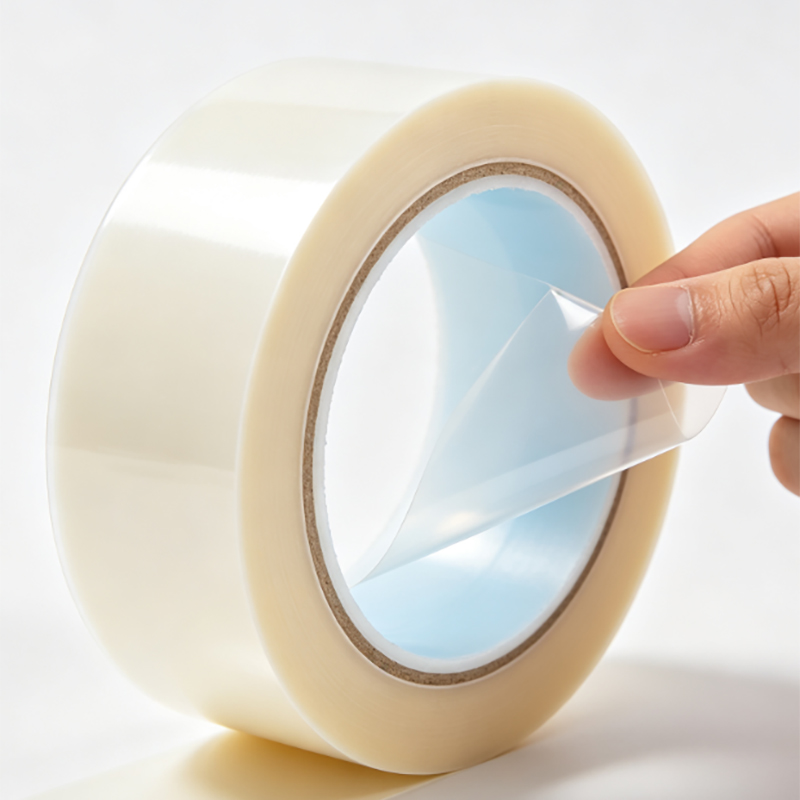
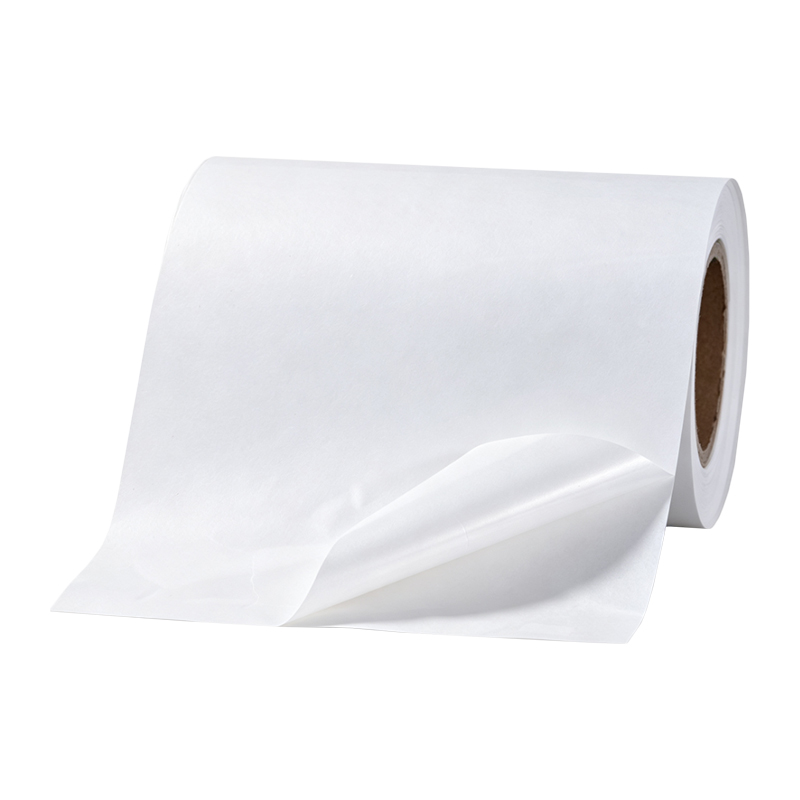
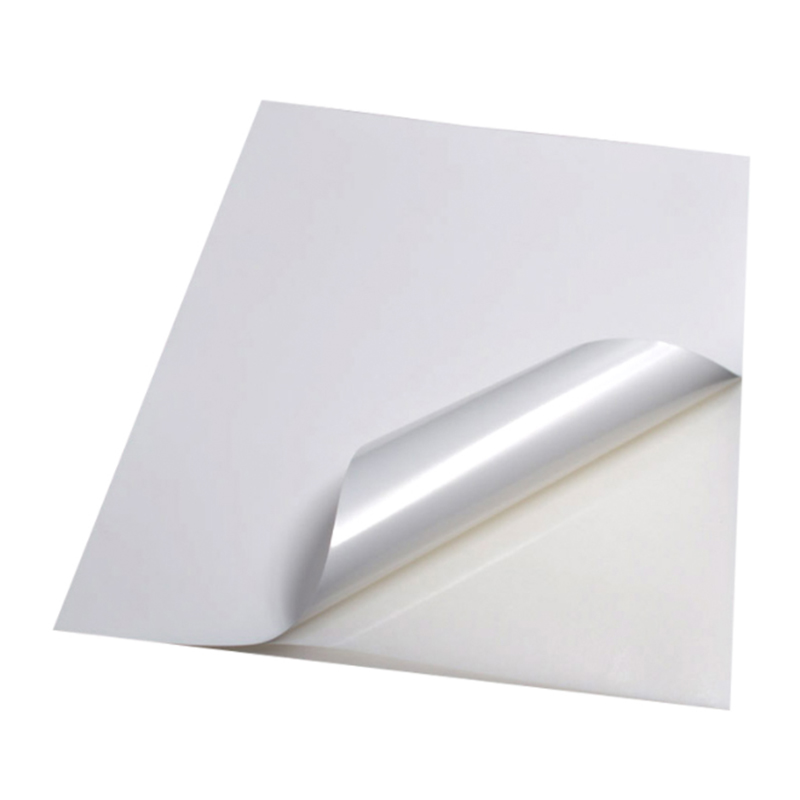
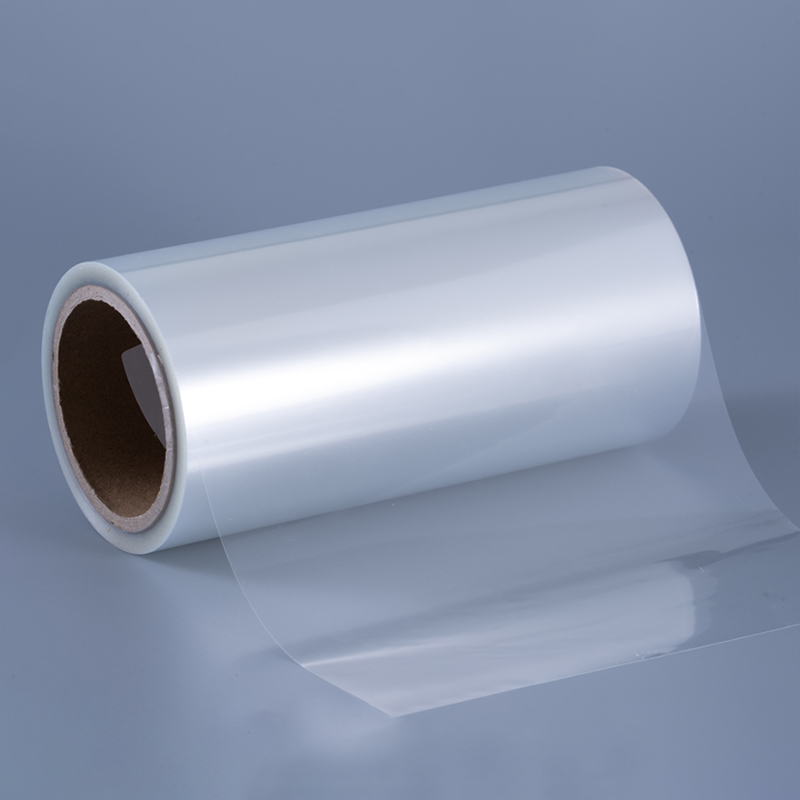
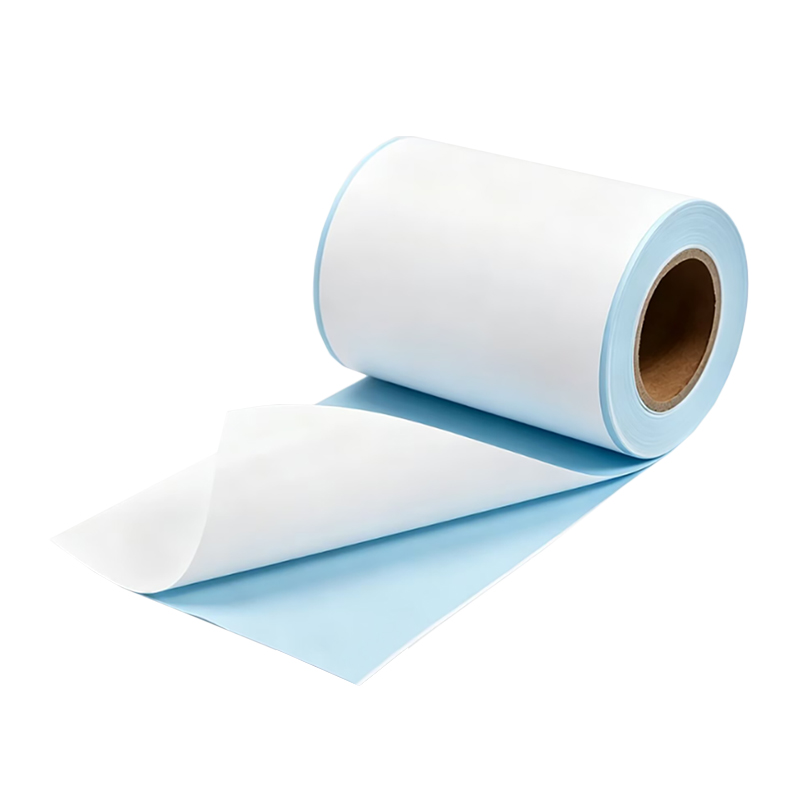
PET (Polyethylene Terephthalate) self-adhesive label material is one of the most versatile and durable substrates in the pressure-sensitive label industry. Built on a polyester facestock bonded to a pressure-sensitive adhesive and a silicone-coated release liner, PET labels deliver exceptional mechanical strength, chemical resistance, and dimensional stability. These properties make PET an ideal platform for both long-established conventional print processes and the latest generation of digital UV inkjet technology.
PET facestock is distinguished from paper and polypropylene (PP) alternatives by several key characteristics:
Dimensional stability. PET resists stretching, shrinking, and distortion under heat, humidity, and UV exposure — critical for accurate label placement and multi-colour registration.
Chemical and moisture resistance. The film withstands oils, solvents, water, and cleaning agents, making it suitable for industrial, household chemical, pharmaceutical, and food & beverage applications.
Surface energy and printability. Corona treatment or adhesion primers raise the surface energy of PET (typically to 38–44 dynes/cm), ensuring strong ink wetting and adhesion for both solvent/water-based and UV-curable ink systems.
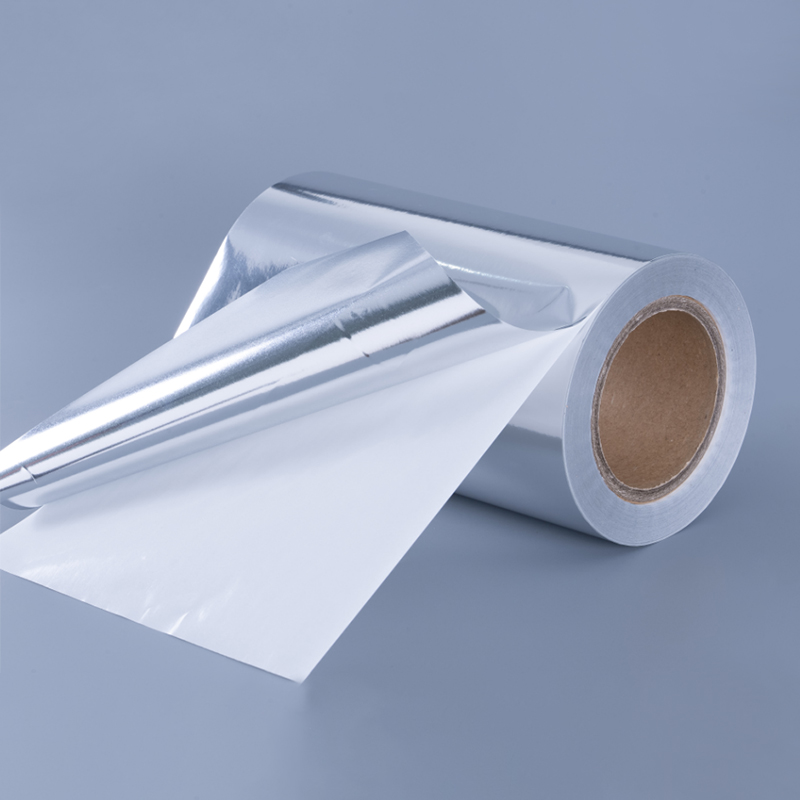
Optical performance. Clear grades offer exceptional transparency for a "no-label look" on glass and rigid plastic packaging; white opaque and metallic grades provide high contrast and visual impact.
Adhesive versatility. PET facestocks are available with permanent, removable, freezer-grade, and high-tack adhesive formulations to suit a wide range of substrates and end-use conditions.
Flexography is the dominant print process in narrow-web label production, and PET has been a proven substrate on flexo presses for decades. Flexible relief plates transfer solvent-based, water-based, or UV-flexo inks onto the PET surface at high speeds. Because PET is non-absorbent, ink formulations must be carefully matched to the surface energy of the specific facestock — viscosity, surface tension, and drying/curing profile all require optimisation. Once dialled in, however, flexo on PET delivers consistent, repeatable colour with excellent adhesion and scratch resistance.
UV-flexo is particularly well-suited to PET: the film's thermal stability prevents distortion under UV lamp heat, and the cured ink layer bonds durably to the treated surface. Solvent-resistant PET grades are especially valued in flexo production of labels for chemical and industrial products, where aggressive ink systems are common.
Screen printing excels where heavy ink deposits are required — a capability that flexo cannot easily match in a single pass. On PET label stock, screen printing is widely used for:
PET's inherent flatness and dimensional rigidity prevent misregistration during the squeegee stroke, making it a reliable substrate for multi-layer screen-printed constructions. Proper surface treatment and ink selection remain essential to ensure long-term adhesion and resistance to delamination in service.
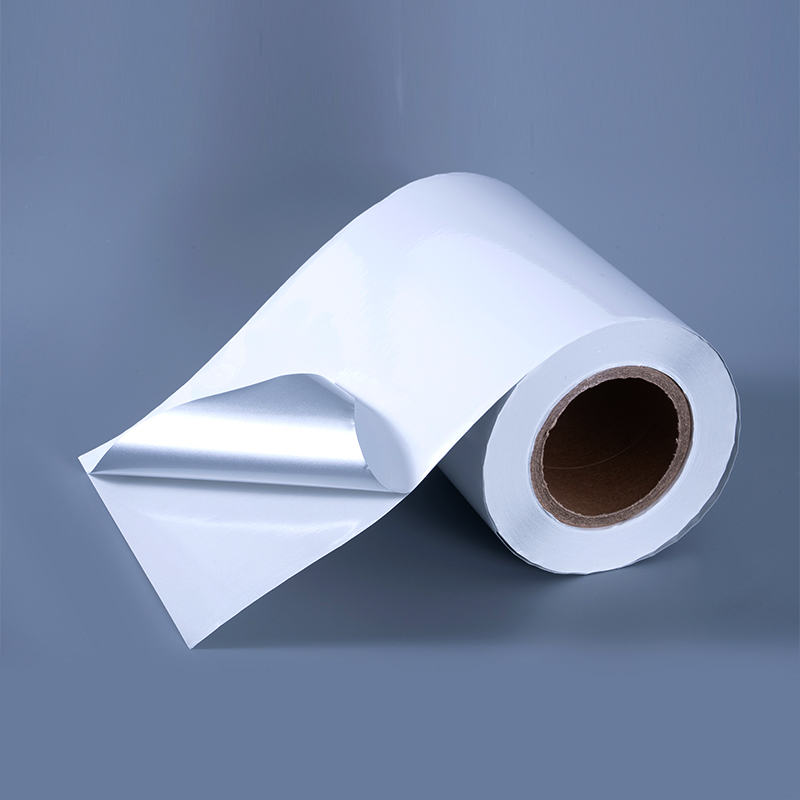
Digital UV inkjet — encompassing high-speed piezo drop-on-demand (DOD) systems and single-pass array presses — has transformed short-run and versioned label production. PET is one of the most compatible substrates for this technology, for the following reasons:
Zero ink absorption. UV-curable inks remain on the PET surface and are instantly cross-linked by LED or mercury UV lamps. The film's impermeability eliminates dot gain and ink spread, enabling sharp, high-resolution print quality at full press speed.
Flatness under UV curing. Unlike paper or thin PP films, PET does not cockle, curl, or thermally distort during LED-UV curing cycles, maintaining consistent web tension and precise multi-pass colour registration.
Receptive coatings for inkjet. Label material manufacturers supply PET grades with purpose-formulated UV inkjet topcoats — typically acrylic or polyurethane-based — that are tuned to the droplet behaviour and ink chemistry of specific press platforms. Converters should qualify each facestock grade against their press OEM's recommendations before committing to production.
Inline priming capability. On uncoated or clear PET grades, many contemporary digital label presses offer inline UV-primer stations that ensure robust ink-to-substrate adhesion without requiring offline surface preparation.
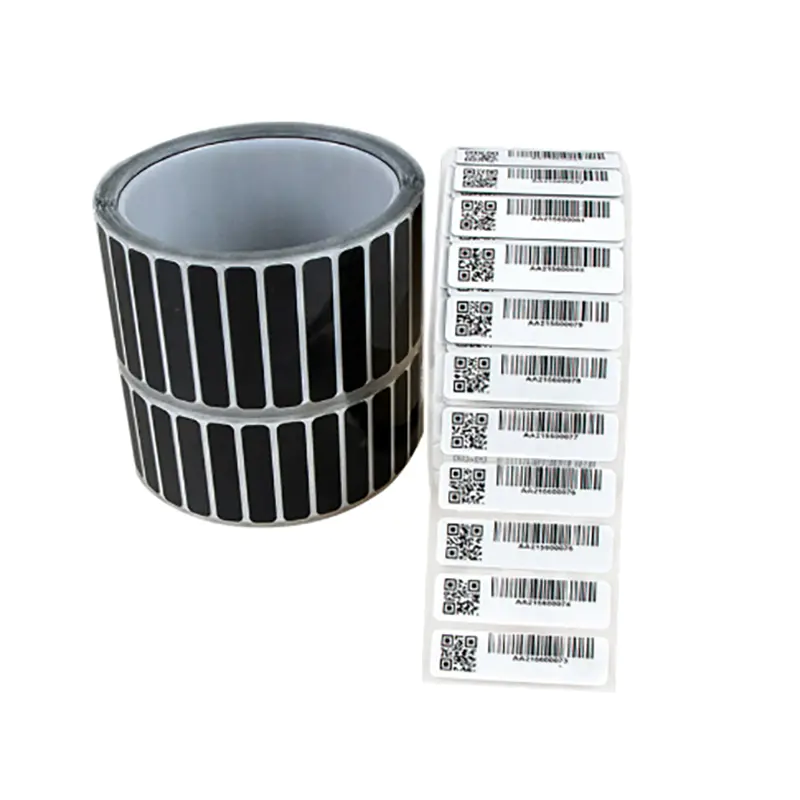
Short runs and variable data. Digital UV inkjet enables economically viable production from a single label to tens of thousands, with full per-label variable data (serial numbers, QR codes, batch information, personalisation) printed at press speed — a capability impossible on conventional flexo or screen infrastructure.
We have a professional R&D team and strong manufacturing capabilities to ensure product quality and delivery while doing a good job in product iteration and innovation.
Address : Building 2. No.111 Xincheng Road, Xitangqiao Street, Haiyan, Jiaxing, Zhejiang Province, China
Phone: +86-150 0573 0249
Tel: + 86-0573-8685 2732
Fax: + 86-0573-8685 2732
E-mail: [email protected]
Copyright© Zhejiang Guanma Packaging Co., Ltd.
 Privacy
OEM Self Adhesive Label Material Manufacturers Waterproof Labels Suppliers Custom Adhesive Label Material Factory