

 English
 русский
 Español
 عربى
عربى
Home / News / Industry News / PP Self-Adhesive Label Materials: The Versatile Solution Compatible with Both Traditional and Digital UV Inkjet Printing
Content
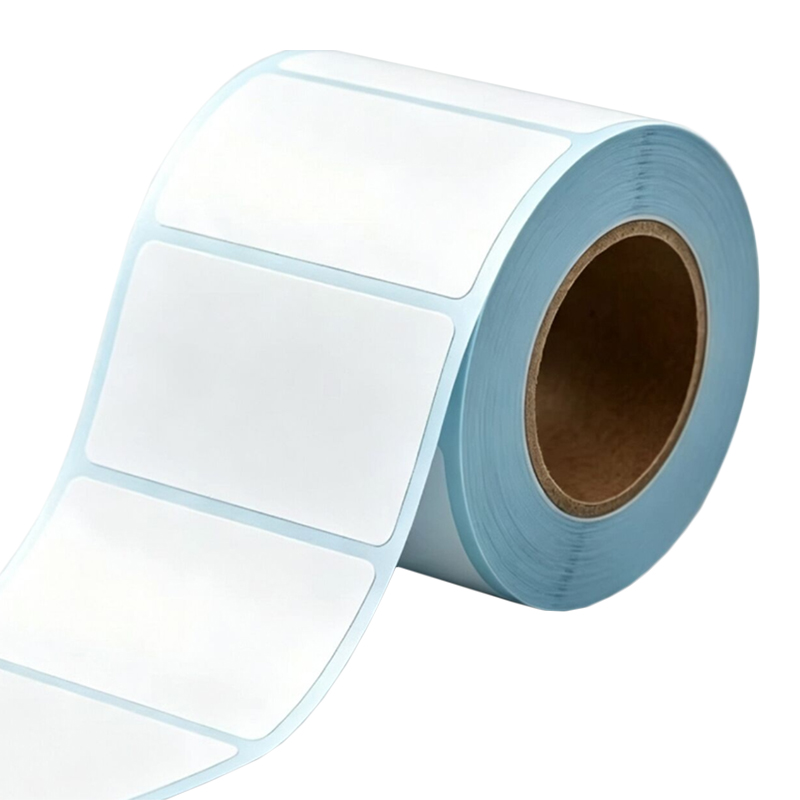
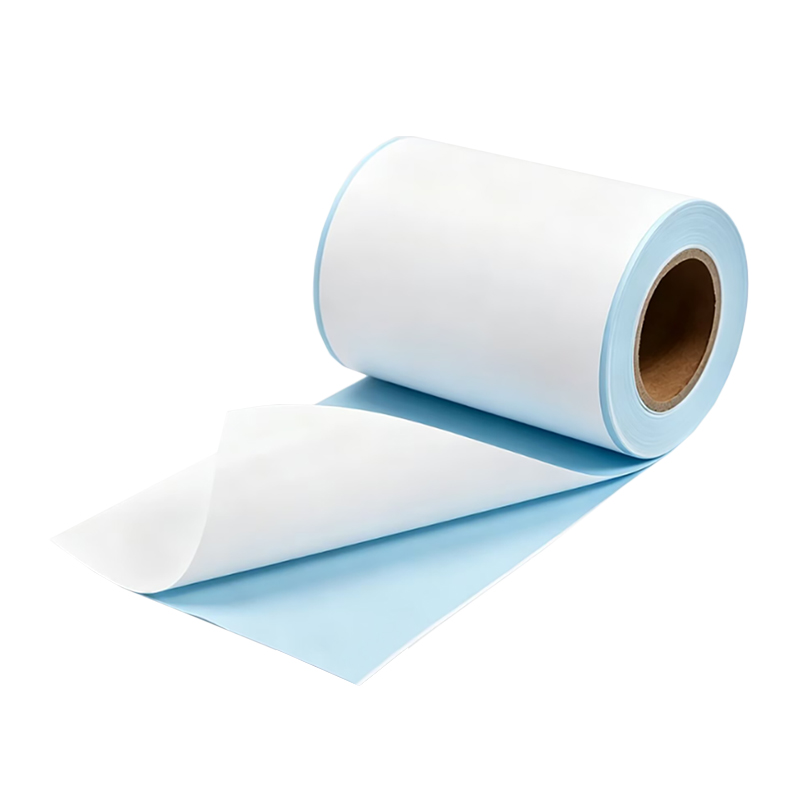
Polypropylene (PP) self-adhesive label material is one of the most widely used substrates in the label industry today. As a thermoplastic polymer film, PP offers outstanding mechanical strength, chemical stability, and excellent surface printability — making it an ideal bridge between traditional printing processes and modern digital printing technologies.
Whether applied to the long-established flexographic (flexo) and screen printing methods, or to the rapidly growing digital UV inkjet printing process, PP label materials deliver consistent and precise print performance. This versatility is particularly valuable in today's increasingly diverse packaging landscape.
The unique molecular structure of PP film gives it several key physical and chemical properties:
Excellent dimensional stability. PP film exhibits minimal thermal deformation during printing, maintaining precise color registration accuracy and stable web handling performance on both high-speed flexo presses and digital printing machines.
Controllable surface tension. Through corona treatment or flame treatment, the surface tension of PP can be raised to 38–44 dyne/cm, ensuring strong adhesion for both traditional solvent-based/UV inks and digital inkjet fluids — effectively preventing ink delamination or peeling.
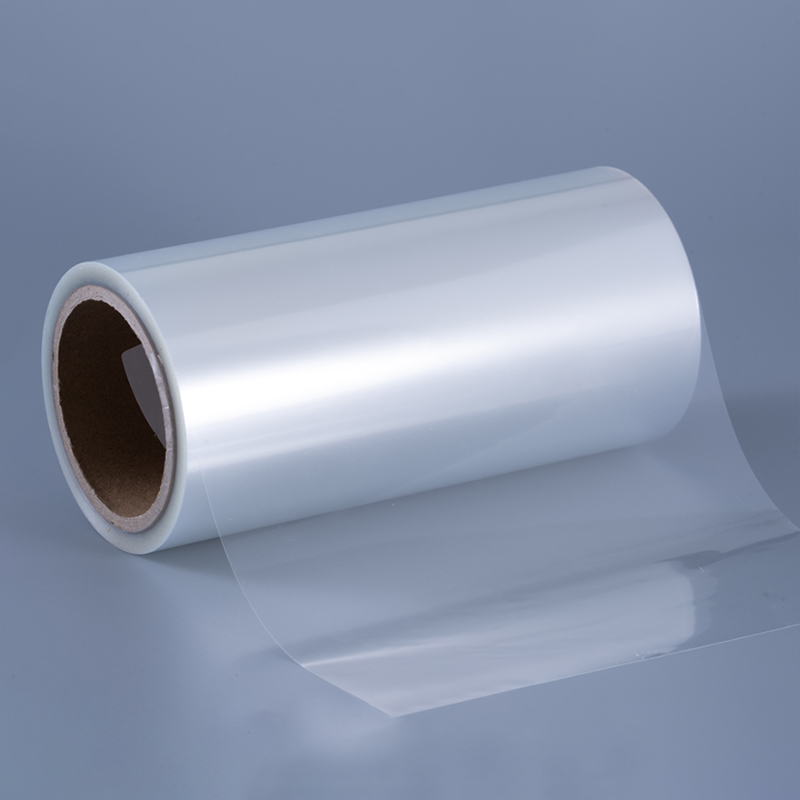
Versatile appearance options. PP label materials are available in a wide range of facestocks: clear, white matte, white gloss, and pearl, catering to "no-label look" aesthetics or differentiated premium packaging requirements.
Flexible thickness specifications. Standard thickness ranges from 50 to 100 microns, with 60 μm commonly used for high-speed labeling applications and 80 μm preferred for manual application or irregular surfaces.
Weather and chemical resistance. PP inherently resists moisture, grease, and dilute acids and alkalis, making it well suited for cold-chain food labels, household cleaning products, and industrial chemical packaging.
Flexo is the highest-volume printing method in the label industry. PP film performs excellently on flexo presses. Key advantages include uniform ink film transfer — UV flexo inks achieve outstanding adhesion ratings on corona-treated PP facestocks — and the low elongation of PP ensures precise color-to-color registration at high press speeds (150–400 m/min), with color deviation ΔE consistently held below 1.5.
For applications requiring high opacity or metallic effects, white PP combined with a white flexo undercoat delivers true, vibrant color reproduction. Clear PP printed without a white base produces the sought-after "printed directly onto the container" transparency effect.
Screen printing is renowned for its heavy ink deposits, making it ideal for labels requiring strong tactile feel, embossed effects, or high opacity coverage. PP substrates provide sufficient rigidity and flatness to withstand the mechanical pressure of the squeegee during screen printing, with good receptivity to UV-cured screen inks. This process is commonly employed for wine labels, premium cosmetic packaging, and industrial equipment nameplates.
Digital UV inkjet printing represents the most innovative direction in today's label industry. Compared to traditional printing, it requires no plate-making, supports variable data printing (VDP), and responds extremely quickly to short-run and personalized production demands.
The compatibility of PP label materials with digital UV inkjet printing is evident across several dimensions:
Surface coating adaptability. PP facestocks intended for digital UV inkjet are typically pre-coated with a specially formulated primer layer. This coating is precisely engineered to allow ink droplets from the inkjet print head to spread rapidly without feathering, ensuring crisp reproduction of fine text and complex graphics at resolutions from 300 to 1200 dpi.
Ink curing characteristics. Digital UV inks cure instantaneously upon exposure to ultraviolet light and do not penetrate the PP film. This ensures the printed image offers excellent scratch resistance, washability, and chemical resistance — with final label durability comparable to or even exceeding that of traditionally printed labels.
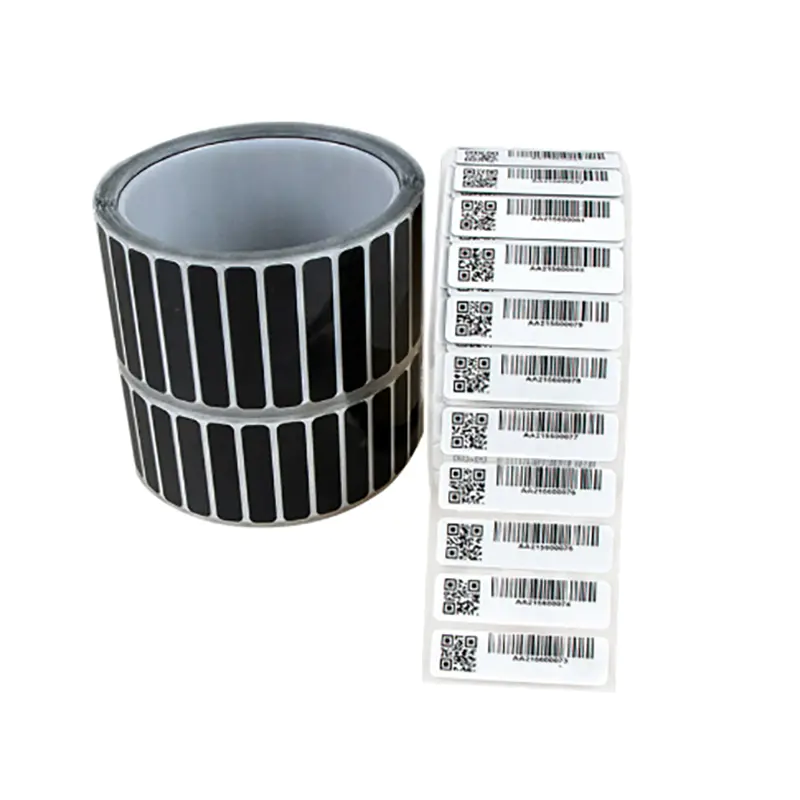
Color gamut and precision. Modern digital UV inkjet presses, paired with PP facestocks specifically coated for inkjet, can achieve single-pass printing of CMYK + white + varnish. Color saturation is comparable to traditional flexo printing, while also supporting high-definition output of gradients, fine lines, barcodes, and QR codes.
Short-run economics. Digital UV inkjet printing carries no minimum order quantity, giving brand owners exceptional flexibility — particularly suited to seasonal packaging, promotional variants, and small-batch label production during new product testing phases.
The reason PP facestock is called "self-adhesive" lies in its pressure-sensitive adhesive (PSA) backing. Several adhesive types are available to suit different application scenarios:
Permanent adhesive. Designed for labels that must remain firmly bonded and cannot be removed, such as food date labels and hazardous material warning labels. Both initial tack and long-term holding power are high, with excellent resistance to edge lifting.
Removable adhesive. Suited for promotional labels, temporary price tags, and trial-period products. After removal, no adhesive residue is left behind and the labeled surface is not damaged.
Freeze-grade adhesive. Specifically engineered for cold-chain food products and frozen medical specimens, maintaining stable adhesion across a temperature range of -40°C to +10°C — no peeling, no bubbling.
High-temperature adhesive. Used for automotive components, electronic parts, and other applications that must pass through high-temperature processes such as paint curing, with a heat resistance rating of 150°C and above.
Thanks to its dual print compatibility, PP self-adhesive label material is widely adopted across the following industries:
Food and beverage. PP's moisture and grease resistance makes it an ideal facestock for mineral water, juices, sauces, and dairy products. Whether produced via high-speed flexo in large volumes or through precision digital printing in small batches, the material meets FDA and EU food contact compliance requirements.
Personal care and cosmetics. Clear PP combined with a "no-label look" design gives shampoo and skincare bottles a premium aesthetic, while pearl PP lends cosmetic products a luxurious finish — particularly well suited to digital UV inkjet printing for personalized and limited-edition versions.
Medical and pharmaceutical. White matte PP meets the high contrast, readability, and disinfectant-resistance requirements of pharmaceutical labels. Digital UV inkjet printing enables precise variable printing of batch numbers and barcodes, supporting pharmaceutical traceability systems.
Industrial and chemical. PP's excellent chemical resistance makes it suitable for hazardous material labels compliant with GHS/CLP regulations. Traditional flexo printing handles large-volume fixed-format label production, while digital printing accommodates flexible multi-language, multi-SKU runs.
Retail and logistics. Full-color PP labels produced via digital UV inkjet integrate brand graphics and barcodes in a single pass, enhancing brand presence while meeting automated scanning and identification requirements.
When selecting PP self-adhesive label materials for a specific project, a comprehensive evaluation across the following dimensions is recommended:
First, confirm the printing process — whether flexo/screen or digital UV inkjet — as this determines the choice of surface coating on the facestock. Second, confirm the end-use environment, including temperature range, humidity, and contact media (water, oil, solvents, etc.), to select the appropriate substrate thickness and adhesive type. Third, consider the visual effect objectives — whether high transparency, matte finish, or pearlescent shimmer is required. Finally, factor in print volume and lead time to determine the optimal balance between traditional and digital printing, achieving the best trade-off between quality and cost.
PP self-adhesive label materials have established themselves as an indispensable core material in the modern label industry, thanks to their outstanding physical performance, broad compatibility with both traditional and digital printing processes, and the rich variety of appearance options and adhesive systems available. As digital UV inkjet technology continues to improve in cost-efficiency, PP materials will play an increasingly important role in emerging high-demand areas such as personalized packaging and short-run rapid-response production — offering brands and printers alike a larger canvas for innovation and a stronger competitive edge in the market.
We have a professional R&D team and strong manufacturing capabilities to ensure product quality and delivery while doing a good job in product iteration and innovation.
Address : Building 2. No.111 Xincheng Road, Xitangqiao Street, Haiyan, Jiaxing, Zhejiang Province, China
Phone: +86-150 0573 0249
Tel: + 86-0573-8685 2732
Fax: + 86-0573-8685 2732
E-mail: [email protected]
Copyright© Zhejiang Guanma Packaging Co., Ltd.
 Privacy
OEM Self Adhesive Label Material Manufacturers Waterproof Labels Suppliers Custom Adhesive Label Material Factory