Content
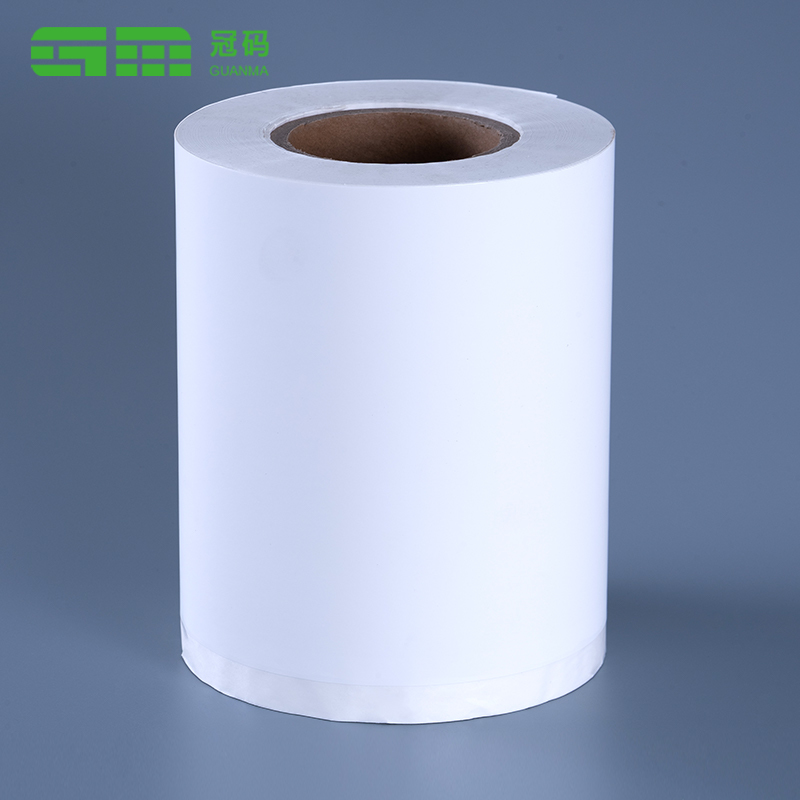
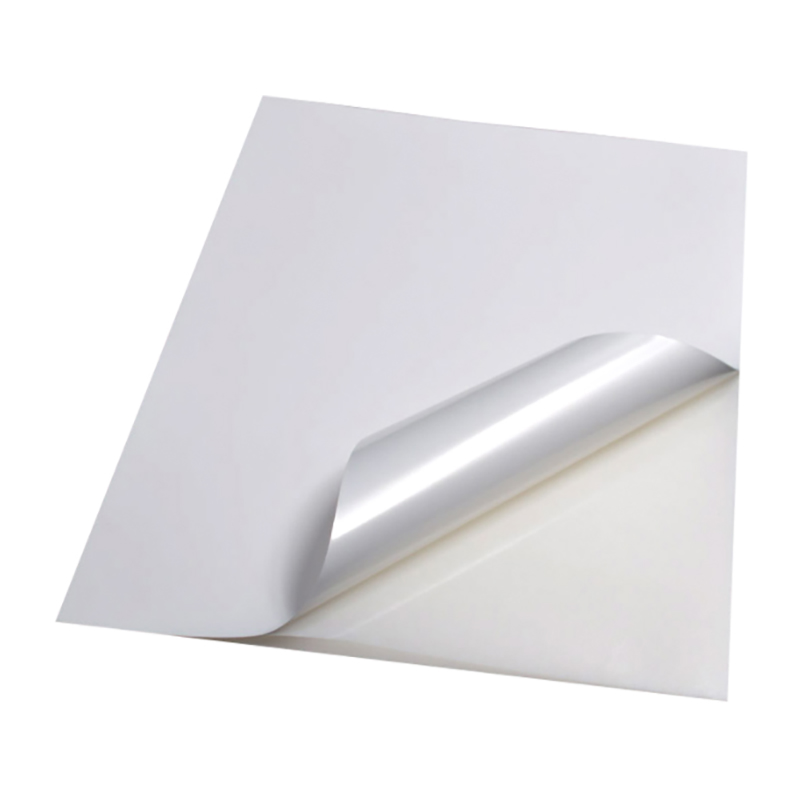
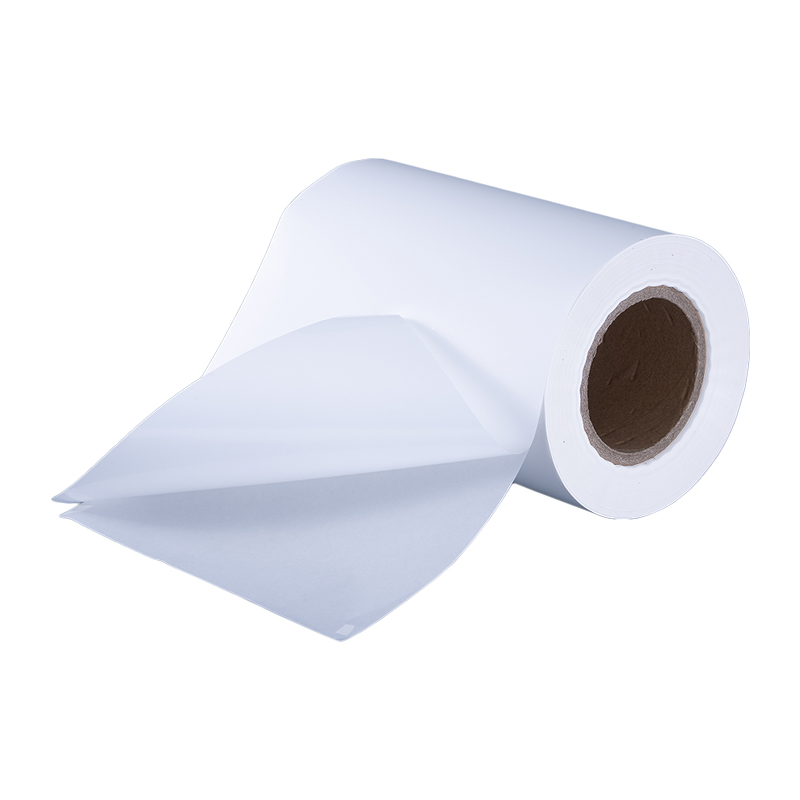
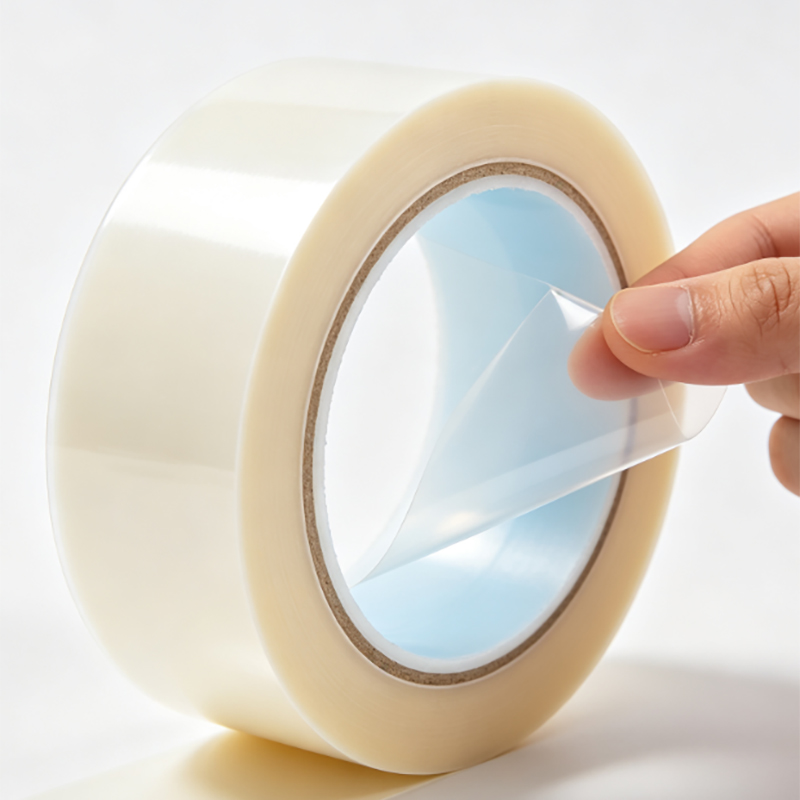
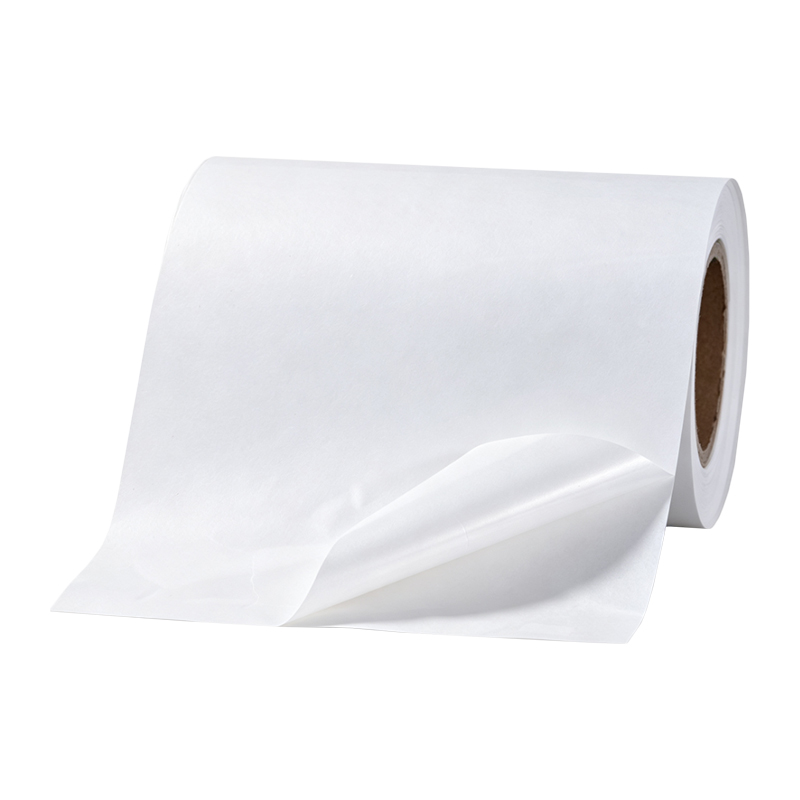
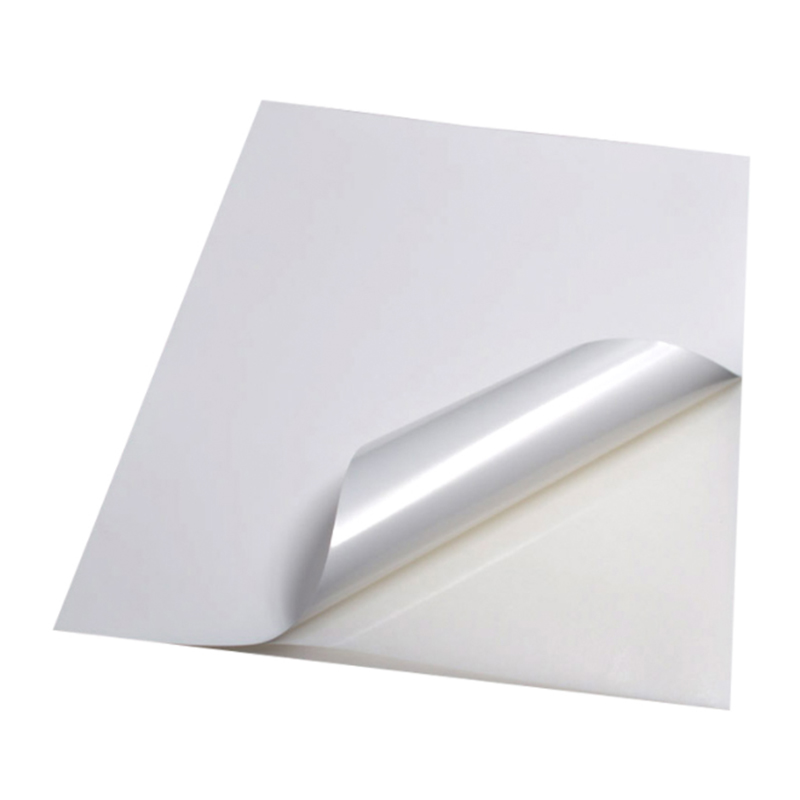
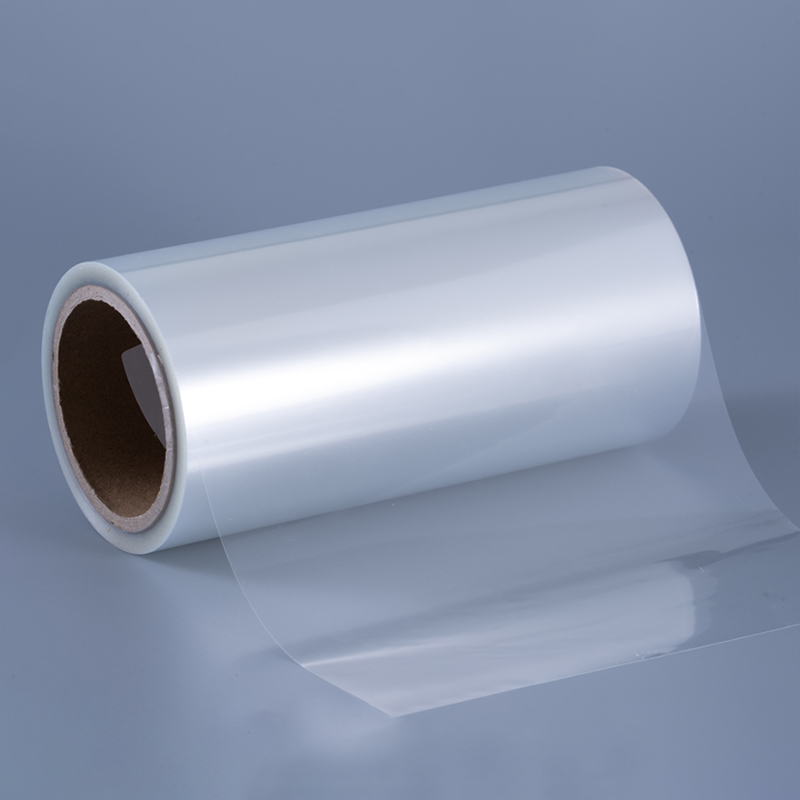
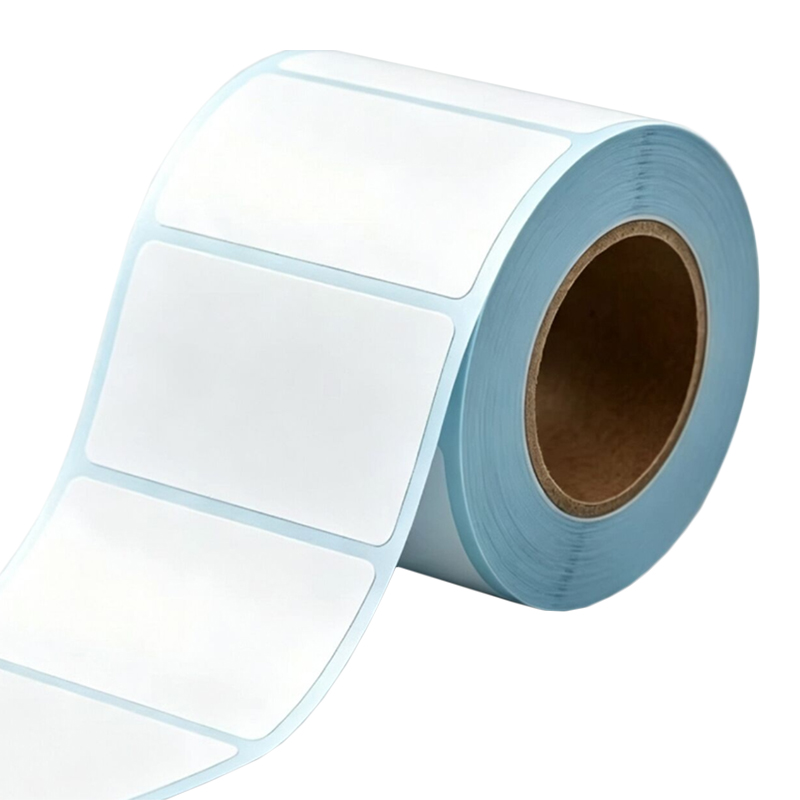
Matte white PP label material is a self-adhesive label stock made from polypropylene (PP) film with a white, non-glossy surface finish. Polypropylene is a semi-crystalline thermoplastic polymer that is extruded into thin film sheets and then coated with a pressure-sensitive adhesive on the reverse side. The "matte white" designation refers specifically to the facestock surface treatment — the topcoat applied to the film creates a flat, low-sheen finish that diffuses light rather than reflecting it, giving printed labels a clean, professional appearance without glare.
Unlike paper label stocks, matte white PP is a synthetic material with inherent resistance to moisture, tearing, and many chemicals. It does not absorb water, which means it won't wrinkle, delaminate, or lose structural integrity when exposed to wet surfaces, condensation, or humid storage environments. This combination of a printable matte surface and durable synthetic substrate makes it one of the most versatile label materials in the converting and printing industry, used across product labeling, logistics, personal care, and industrial applications.
Choosing the right label stock starts with understanding how matte white PP film compares to the alternatives. Each material has a distinct performance profile, and the differences are meaningful in practice.
| Property | Matte White PP | Gloss White PP | Matte White PE | Coated Paper |
| Surface Finish | Flat, low sheen | Shiny, high gloss | Flat, soft feel | Smooth, semi-gloss |
| Water Resistance | Excellent | Excellent | Excellent | Poor to moderate |
| Tear Resistance | High | High | Very High (flexible) | Low |
| Print Clarity | Very good, muted tones | Vivid, high contrast | Good | Good |
| Conformability | Moderate (stiff film) | Moderate | High (soft, flexible) | Moderate |
| Chemical Resistance | Good | Good | Good | Low |
| Cost | Low to moderate | Low to moderate | Moderate | Lowest |
| Typical Use | Product labels, logistics, personal care | Food, beverage, cosmetics | Squeezable containers, flexible packaging | Dry goods, indoor use |
The key distinction between matte and gloss PP is purely aesthetic and functional at the print surface. Gloss PP produces more vivid, high-contrast colors and is preferred where visual impact is the priority — beverages, premium cosmetics, and retail packaging. Matte white PP is preferred where a premium, understated look is desired, where glare reduction matters (labels viewed under direct lighting), or where the product positioning calls for a natural, clean, or clinical aesthetic rather than a bold commercial one.
Understanding the core physical characteristics of matte white polypropylene label film helps you predict how it will perform in your specific application and printing process.
Matte white PP label material is typically available in facestock thicknesses ranging from 50 microns (2 mil) to 100 microns (4 mil), with 60–80 micron being the most common range for general-purpose label applications. Thinner films are more flexible and conform better to curved or irregular surfaces, but they are also more prone to wrinkling during application and can be harder to handle in high-speed automatic label applicators. Thicker films are stiffer, easier to apply cleanly, and have better durability in harsh environments — but they add cost and may not conform adequately to small-diameter cylindrical containers.
Quality matte white PP films are highly opaque — typically achieving 90–95% opacity — which ensures that the label background reads as a clean white regardless of what is underneath it. This matters particularly when labeling dark-colored containers, products with existing surface markings, or when applying labels over other printed surfaces. Opacity is achieved by incorporating titanium dioxide (TiO₂) or calcium carbonate fillers into the film formulation during extrusion. Higher filler loading increases opacity but can slightly reduce film tensile strength, so very high-opacity PP films may have lower elongation at break than standard grades.
Polypropylene is inherently a low surface energy material, which means inks, coatings, and adhesives do not naturally wet or bond to it well. To make matte white PP label facestock printable, the surface is corona-treated during manufacturing — an electrical discharge process that oxidizes the film surface and raises its surface energy to 38–44 dynes/cm. This pre-treatment is what enables reliable ink adhesion across UV flexo, offset, screen, and digital printing processes. Some premium matte white PP stocks include an additional receptive topcoat for improved digital print compatibility, particularly for toner-based electrophotographic (LEP) and inkjet printing systems.
Matte white PP label material is compatible with most commercial label printing processes, but performance varies by process and the specific surface treatment of the stock. Specifying a material that is optimized for your printing method avoids adhesion failures, smearing, and image quality problems in production.
UV flexo is the dominant printing process for commercial label production on matte white PP stock. UV-curable inks cure instantly on the film surface without requiring solvent absorption — critical for a non-absorbent synthetic substrate. The matte surface creates excellent dot gain control and consistent ink laydown, producing sharp text and clean halftone reproduction. Most matte white PP stocks specified for flexo printing are corona-treated to 40–42 dynes/cm and do not require an additional topcoat for standard UV ink systems. Always verify ink-to-substrate adhesion using a tape cross-cut test (ASTM D3359) before committing to a production run.
HP Indigo electrophotographic printing requires label stocks with a specially engineered adhesion-promoting topcoat (HP Indigo-certified substrate) that allows the liquid ElectroInk to transfer and fuse to the film surface reliably. Standard corona-treated matte white PP will not produce acceptable adhesion or durability on an HP Indigo press — you must specify an Indigo-certified matte white PP stock. Several major converters and raw material suppliers offer certified HP Indigo-compatible matte white PP in both cut-sheet and roll form. For dry toner digital presses (Xeikon, Konica Minolta AccurioLabel), similarly, a heat-stable PP grade with appropriate toner adhesion topcoat is needed, as standard PP can soften or deform under the fuser temperatures of some dry toner systems.
Aqueous inkjet inks require a porous or coated surface to absorb and anchor the ink droplet before it spreads. Standard PP film is non-absorbent and will not accept aqueous inkjet inks without a specialized inkjet-receptive coating. If you require inkjet-printable matte white PP — for variable data printing, addressing, or short-run digital production — specify a product explicitly described as inkjet-coated or inkjet-receptive matte white PP film. UV inkjet systems (such as those used in Epson SurePress or Domino digital label presses) are more tolerant of non-coated PP because the ink is cured by UV light rather than absorbed, but surface adhesion testing is still recommended.
Thermal transfer printing — used widely for barcodes, variable data, and logistics labels — works by melting wax or resin ink from a ribbon onto the label surface under heat and pressure. Matte white PP is compatible with resin-based thermal transfer ribbons, which produce durable, smear-resistant prints that hold up to moisture, chemicals, and abrasion far better than wax ribbon prints. Wax ribbons are not recommended on PP film — the wax transfer layer does not bond adequately to the synthetic surface and the print is easily smeared or rubbed off. Always specify a resin or wax-resin ribbon when thermal transfer printing onto matte white PP label stock.
The adhesive layer is as important as the facestock in determining whether a label performs correctly in its end application. Matte white PP facestock is available laminated with a range of pressure-sensitive adhesive formulations, each suited to different surface types, temperature ranges, and application conditions.
Matte white polypropylene label stock is a practical first choice across a broad range of applications, particularly wherever moisture resistance, a clean aesthetic, or durability beyond what paper offers is required.
Shampoo bottles, conditioners, body lotions, and skincare products are routinely exposed to water, steam, and soap residue in bathroom and shower environments. Matte white PP labels maintain their appearance and adhesion through these conditions far better than paper stocks, which absorb moisture and develop edge lift or wrinkling within days. The matte finish also aligns with the premium, clean aesthetic favored by many contemporary personal care brands — it photographs well, avoids glare under retail lighting, and gives labels a tactile quality that consumers associate with quality products.
For products stored in refrigerators, ice buckets, or humid environments — craft beers, wine bottles, mineral water, fresh juices, condiments, and deli products — matte white PP is a reliable choice that resists the condensation and moisture exposure that routinely ruins paper labels. It is also suitable for direct food contact labeling applications when the adhesive and topcoat formulations comply with relevant food contact regulations (FDA 21 CFR, EU Regulation 10/2011). Always confirm food contact compliance with your label material supplier when labeling directly edible products or food contact packaging.
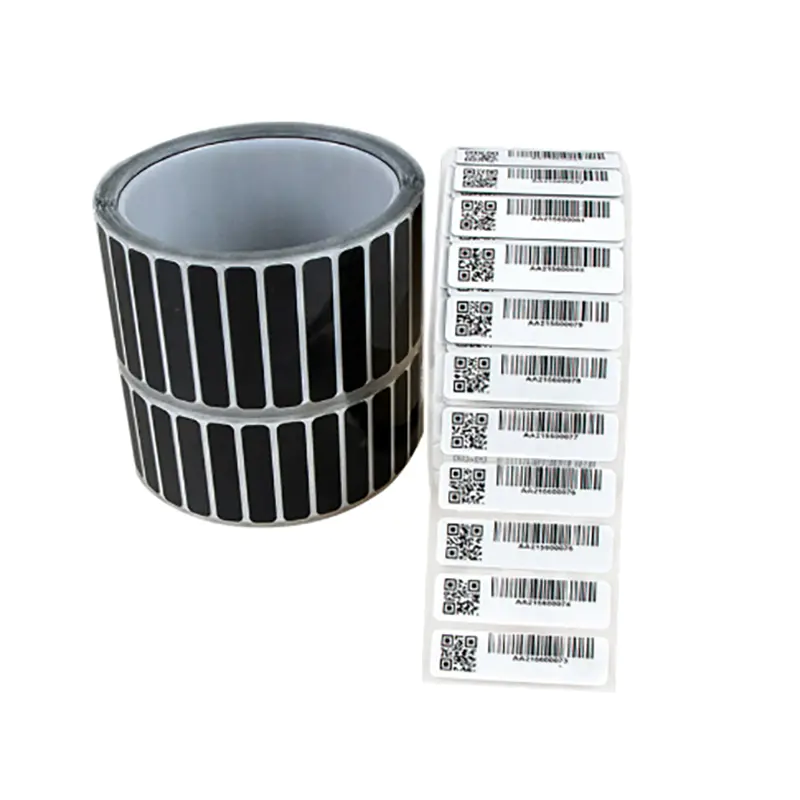
Thermal transfer-printed matte white PP labels are widely used for barcodes, shipping labels, asset tags, and inventory labels in warehouse and logistics environments. The synthetic substrate resists tearing when labels are pulled from shelves or conveyor systems, handles exposure to condensation in cold storage facilities, and produces high-contrast barcode prints with resin ribbons that scan reliably even after abrasion or brief moisture exposure. For outdoor-stored pallets or shipments traveling through variable weather, matte white PP provides significantly better durability than standard direct thermal or paper labels.
Medical and pharmaceutical labeling demands materials that maintain legibility and adhesion across a wide range of storage and use conditions — including refrigerated storage, sterilization processes, and exposure to alcohol-based disinfectants. Matte white PP facestock combined with appropriate adhesives meets these requirements for many pharmaceutical packaging applications, including secondary packaging labels, specimen tube labels, and medical device identification labels. The matte surface also reduces glare on labels viewed under clinical lighting, which improves readability for healthcare professionals checking product information quickly.
Labels on industrial containers, lubricants, cleaning chemicals, and maintenance products need to withstand direct contact with the chemicals they contain, as well as oils, solvents, and cleaning agents used in the environments where they are stored and applied. Matte white PP with a laminate overcoat or UV-varnish protection provides a chemical-resistant label surface that holds up in these conditions — maintaining both legibility and adhesion through exposure that would destroy a paper label within hours.
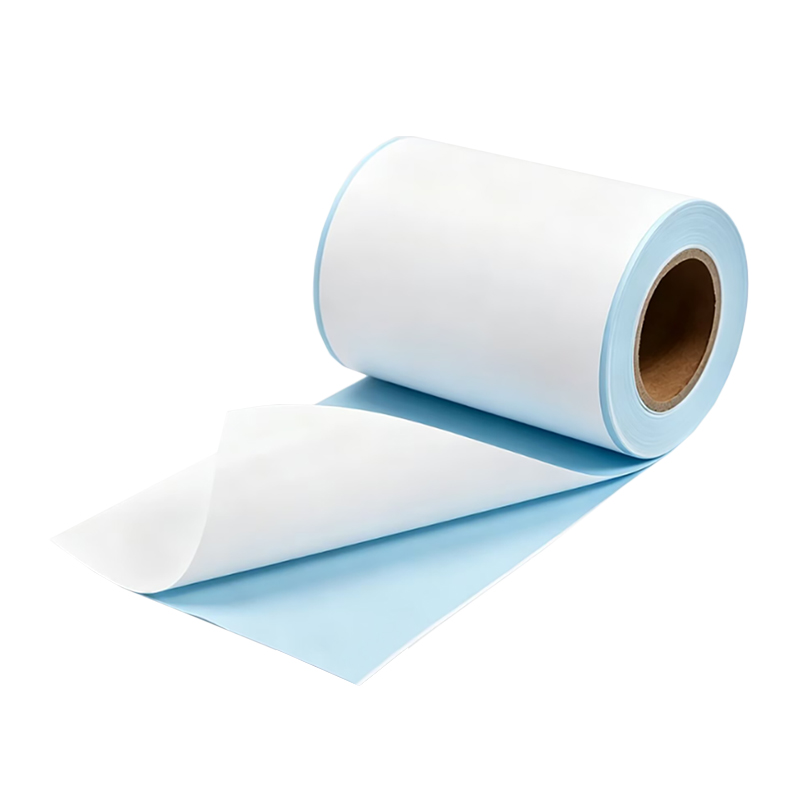
Matte white PP label material is supplied laminated to a release liner — the backing layer that protects the adhesive and enables the label to be processed through printing and die-cutting equipment. Liner choice affects runnability on press, die-cutting performance, and label dispensing behavior on automatic applicators.
The most common liner for PP label stock is 78–90 gsm glassine paper with a silicone release coating. Glassine liners are cost-effective, provide good dimensional stability on press, and die-cut cleanly. For applications requiring matrix stripping of closely nested die-cut labels — particularly at high web speeds — a heavier 90 gsm or PET (polyester) liner provides better matrix lift-off performance and reduces liner breaks. PET liners are also preferred for flatbed digital cutting systems (Zünd, Summa) that require precise dimensional stability in the liner during cutting.
When specifying matte white PP rolls for automatic applicator use, confirm the liner release force matches the applicator's peel plate design. A liner with too-light release force may cause labels to pre-peel on the roll; too-heavy release force requires higher peel tension that can stretch the PP facestock and cause applicator jams. Most reputable label stock suppliers will provide release force data (typically 5–15 cN/cm) for each product grade.
Whether you're a label converter sourcing roll stock or a brand owner specifying materials for a label printer, these are the key specification points to confirm before committing to a purchase:
We have a professional R&D team and strong manufacturing capabilities to ensure product quality and delivery while doing a good job in product iteration and innovation.
Address : Building 2. No.111 Xincheng Road, Xitangqiao Street, Haiyan, Jiaxing, Zhejiang Province, China
Phone: +86-150 0573 0249
Tel: + 86-0573-8685 2732
Fax: + 86-0573-8685 2732
E-mail: [email protected]
Copyright© Zhejiang Guanma Packaging Co., Ltd.
 Privacy
OEM Self Adhesive Label Material Manufacturers Waterproof Labels Suppliers Custom Adhesive Label Material Factory


 English
 русский
 Español
 عربى
عربى