

 English
 русский
 Español
 عربى
عربى
Home / News / Industry News / PP Self-Adhesive Label Materials: A Professional Guide to Flexo, Screen & Digital UV Inkjet Printing Compatibility
Content
Polypropylene (PP) self-adhesive label materials have become one of the most widely specified facestock choices in the global label industry — and for good reason. PP films combine outstanding physical durability, excellent chemical resistance, and a clean, professional appearance that paper-based substrates simply cannot replicate. Whether you are producing labels for beverage bottles, household chemicals, personal care products, or industrial containers, PP offers a performance baseline that consistently meets the demands of both brand owners and end-use environments.
What makes PP particularly compelling in today's label converting landscape is its versatility across printing technologies. PP self-adhesive materials are engineered to perform equally well on traditional analog printing platforms — including flexographic and screen printing — and on modern digital UV inkjet presses. This cross-technology compatibility makes PP an attractive single-substrate strategy for converters who run multiple press types or who need to match color and finish across a mixed print workflow.
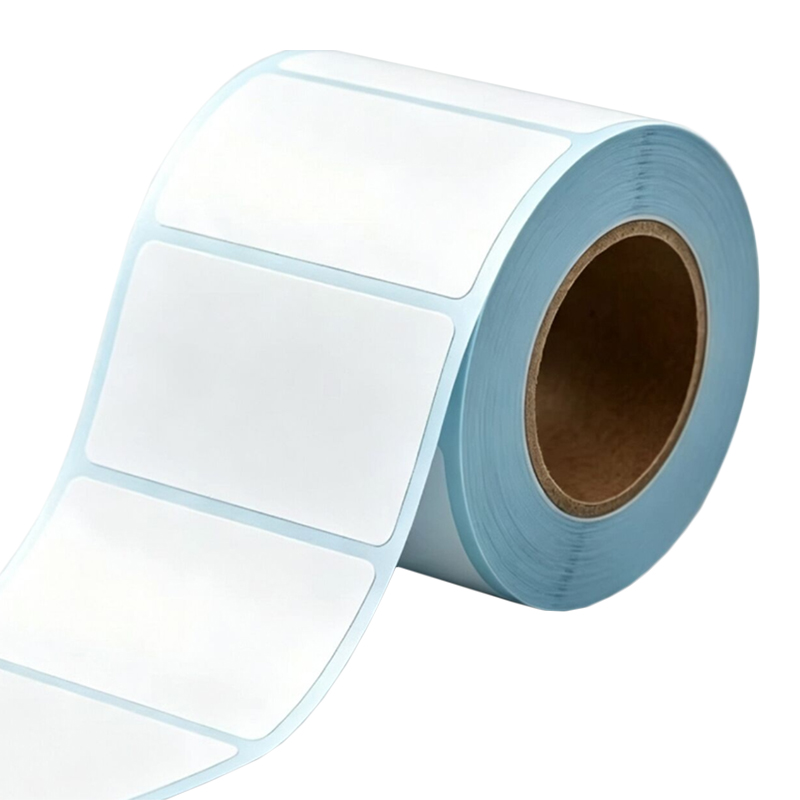
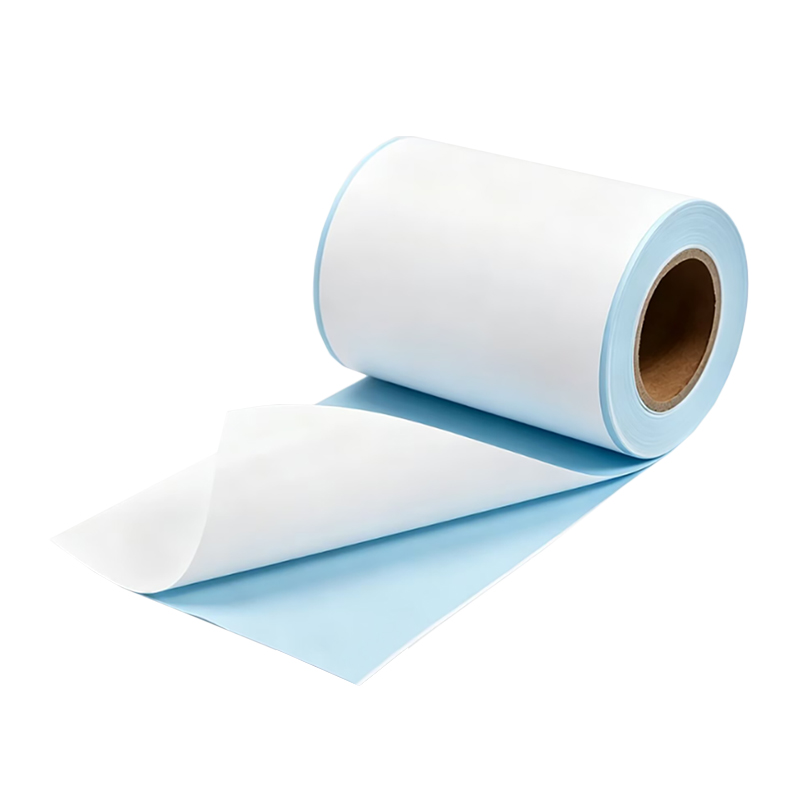
Before evaluating printing compatibility, it helps to understand what a PP self-adhesive label construction actually consists of. A typical PP label stock is a multi-layer laminate, and each layer plays a specific role in the material's overall performance.
For digital UV inkjet printing specifically, some PP label materials include a dedicated inkjet receptive topcoat — a specially formulated coating that manages ink spread, promotes UV cure adhesion, and delivers sharp dot reproduction. This coating layer is what enables the same PP substrate to deliver comparable print quality whether run through a Domino, Durst, EFI, or HP Indigo-class UV inkjet press.
Flexographic printing remains the dominant technology for high-volume self-adhesive label production globally. Modern flexo presses — particularly central impression (CI) and inline servo-driven platforms — deliver speeds exceeding 300 meters per minute with registration tolerances under ±0.1 mm, making them the most economical choice for runs in the tens of thousands to millions of labels.
Flexo printing on PP typically uses UV-curable or water-based flexo inks. UV flexo inks are the preferred choice for most PP label applications because they cure instantly under UV or LED-UV lamps, eliminating solvent evaporation issues and delivering excellent adhesion on the low-energy PP surface. For reliable ink adhesion, the PP facestock surface energy must be a minimum of 38 dynes/cm at the time of printing — converters should verify dyne levels on received stock, particularly if the material has been stored for an extended period, as surface treatment can decay over time.
BOPP films are stiffer and more dimensionally stable than paper stocks, but they require careful attention to tension control on flexo presses. PP is sensitive to heat, and excessive impression pressure or prolonged exposure to UV lamp heat can cause film distortion or tracking issues. Press operators should set UV lamp intensity to the minimum level required for full cure, use low-heat LED-UV curing where available, and monitor film temperature throughout the run. Proper nip pressure calibration is also critical to avoid embossing marks on the glossy PP surface.
PP labels produced via flexo are typically finished with an overprint varnish (OPV) or cold/thermal laminate to enhance scuff resistance, chemical resistance, and gloss or matte aesthetics. Gloss UV OPVs significantly improve the visual brilliance of PP's naturally clear or white surface, while matte OPVs create the sophisticated soft-touch appearance popular in premium personal care labeling. For applications with aggressive chemical exposure — such as detergent bottles or industrial lubricant containers — a laminated PP-over-PP construction provides the highest level of ink and adhesive protection.
Screen printing is not the primary technology for high-volume PP label production, but it occupies an important niche for applications that demand extreme ink opacity, special effect inks, and tactile surface textures that flexo and digital cannot economically replicate. Screen printing is frequently combined with flexo or digital as part of a hybrid press configuration, where it handles specific ink stations while the other technologies handle process color and fine detail.
Screen printing inks for PP must be formulated for plastic substrates and should be cured with UV or LED-UV energy to achieve proper cross-linking on the low-energy film surface. Mesh count selection is critical — finer meshes (305–355 threads/cm) are used for detail work and thin ink deposits, while coarser meshes (77–120 threads/cm) are used for high-build effects. Ink viscosity must be carefully maintained throughout the run, as PP films do not absorb any ink, meaning all viscosity-related defects (flooding, screen bleed) will be visible in the final print.
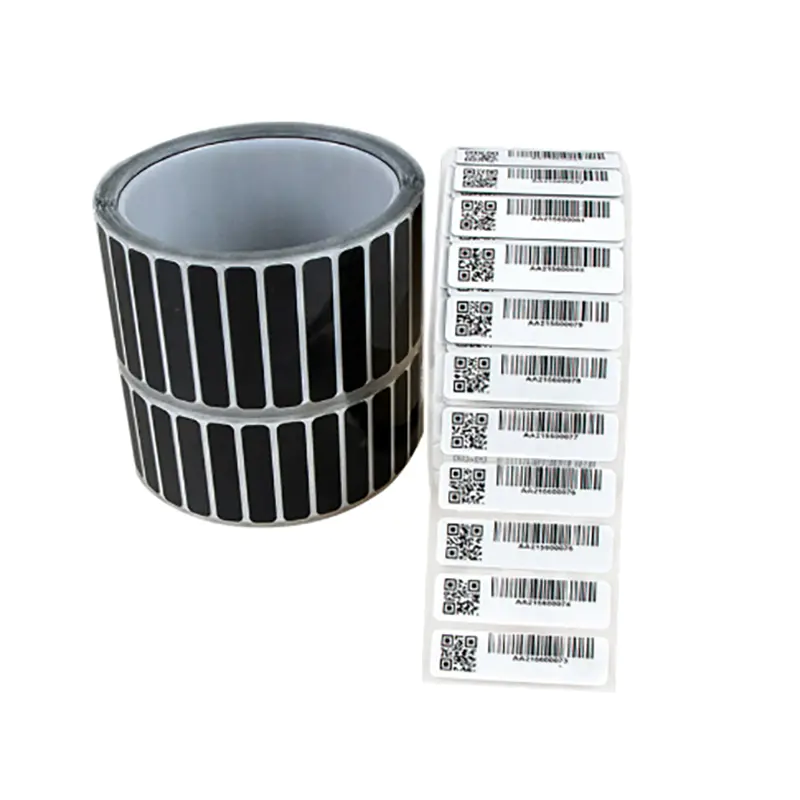
Digital UV inkjet printing has transformed the economics of short-run and customized label production over the past decade. Press platforms from manufacturers including Durst, Domino, EFI Reggiani, Epson SurePress, Colordyne, and others can print directly onto PP self-adhesive label stocks with no plate costs, near-instant job changeover, and the ability to vary every single label in a run — enabling serialization, personalization, and versioning at production speeds.
PP films — particularly white and clear BOPP grades with dedicated inkjet topcoats — are among the best-performing substrates on UV inkjet presses. The smooth, non-absorbent surface of PP holds inkjet dots precisely where they land, preventing the dot gain and feathering that occurs on porous paper stocks. When paired with a properly formulated inkjet receptive topcoat, PP delivers color gamut performance and edge sharpness that rivals offset and flexo printing at equivalent resolutions.
Not all PP label materials are suitable for UV inkjet without surface modification. A dedicated inkjet topcoat performs several critical functions simultaneously: it controls ink spread to maintain dot integrity, provides anchoring sites for UV-curable inkjet inks to bond upon curing, manages the balance between ink absorption and surface hold-out, and supports consistent inter-color drying to prevent bleeding between adjacent color areas. Label material manufacturers who specifically engineer PP grades for digital UV inkjet applications — such as Avery Dennison's DigitalDirect range, UPM Raflatac's RW series, and Fasson digital-certified stocks — have tested their topcoat formulations against specific press platforms to ensure certified compatibility.
Digital UV inkjet presses print CMYK (and often additional gamut-expanding colors like orange, violet, and green) but typically do not include a white ink channel on entry-level systems. This means that white PP facestock is the standard choice for digitally printed labels where a white background is needed — the white film base acts as the white ink layer. For no-label-look applications requiring a clear background with selective white areas, higher-end digital UV inkjet presses with a dedicated white inkjet head can print white ink on clear PP film, enabling the same design flexibility available on analog platforms.
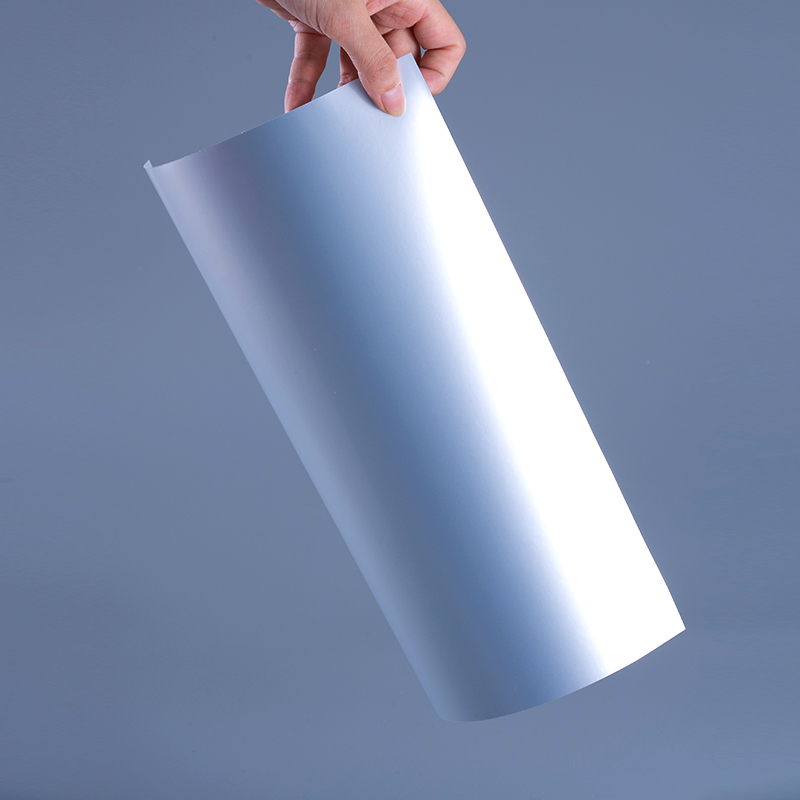
Each printing technology brings distinct strengths and limitations when applied to PP self-adhesive materials. The table below provides a comparative overview to guide technology selection based on job requirements:
| Criteria | Flexo Printing | Screen Printing | Digital UV Inkjet |
| Minimum Economic Run Length | 5,000–10,000+ labels | 2,000–5,000+ labels | 1 label (no minimum) |
| Color Gamut | Very wide (CMYK + spot) | Wide (spot colors excel) | Very wide (extended gamut) |
| Print Resolution | Up to 4,000 lpi (HD flexo) | Low-medium (65–85 lpi) | 600–1200 dpi native |
| Ink Opacity / Build | Medium | Very high | Medium |
| Variable Data / Serialization | No (requires hybrid) | No | Yes (native capability) |
| Makeready Time | 30–90 minutes | 30–60 minutes | Under 5 minutes |
| Tactile / Special Effects | Limited (via OPV) | Excellent | Limited (growing) |
| Production Speed | Very high (150–300+ m/min) | Low–medium | Medium (50–100 m/min) |
Regardless of which printing technology is used, several core material properties of PP label stock directly influence the quality and consistency of the printed result. Understanding these properties helps converters select the right grade and troubleshoot issues when they arise.
PP films are available in gloss, matte, and semi-matte (satin) surface finishes. Gloss PP films have a Bekk smoothness typically above 500 seconds and deliver the highest print contrast and color vibrancy — ideal for photographic-quality labels and products where shelf impact is critical. Matte PP films scatter light to produce a low-glare, tactile appearance that has become closely associated with premium and natural-positioned brands. Print contrast is slightly reduced on matte surfaces, but the aesthetic trade-off is often preferred. Both surface types are printable on all three technologies discussed, though matte surfaces may require ink formulation adjustments to ensure adequate adhesion and avoid scuffing.
PP label films are typically supplied at 50, 60, 80, or 100 microns facestock thickness. Thinner films (50 micron) are more conformable and suit curved or squeezable containers, but are more prone to handling damage and web tension issues on press. Thicker films (80–100 micron) provide better stiffness for automated dispensing and improved resistance to tearing during application. Caliper consistency across the web width is critical for ink transfer consistency in flexo and for maintaining uniform inkjet drop placement in digital printing — roll-to-roll caliper variation should not exceed ±2 microns in well-manufactured PP label stock.
One of PP's defining advantages over paper facestocks is its inherent resistance to moisture, oils, and a wide range of chemicals. This resistance means that PP labels maintain their dimensional integrity and adhesion in wet environments — refrigerators, ice buckets, dishwashers, and outdoor exposure — where paper labels would absorb moisture, wrinkle, and delaminate. For the printing process, this same chemical resistance means that solvents in cleaning agents and inks are less likely to cause substrate damage, but it also means that ink adhesion relies entirely on the surface treatment rather than any mechanical absorption.
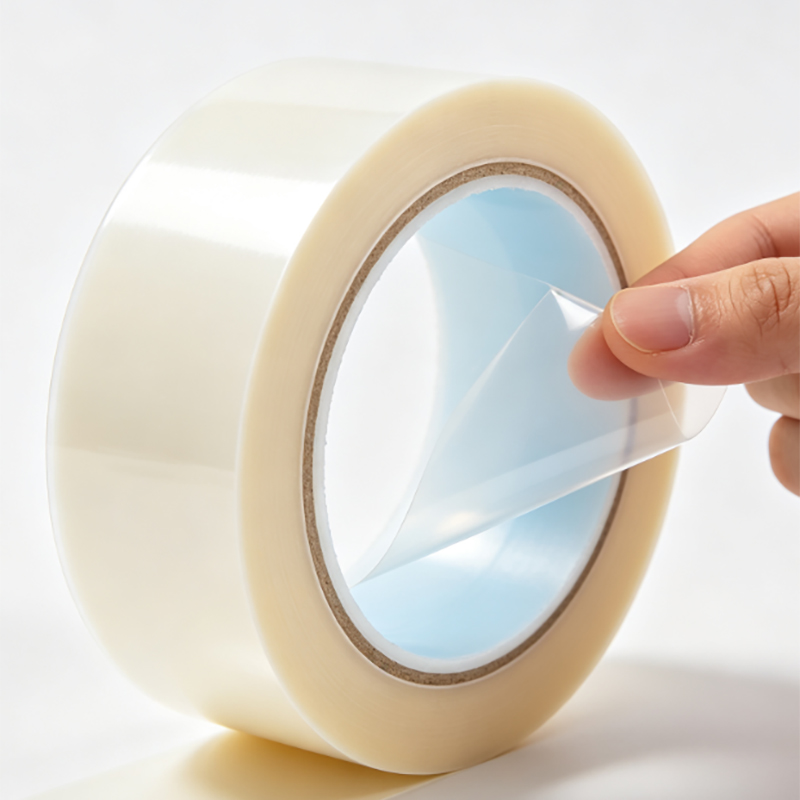
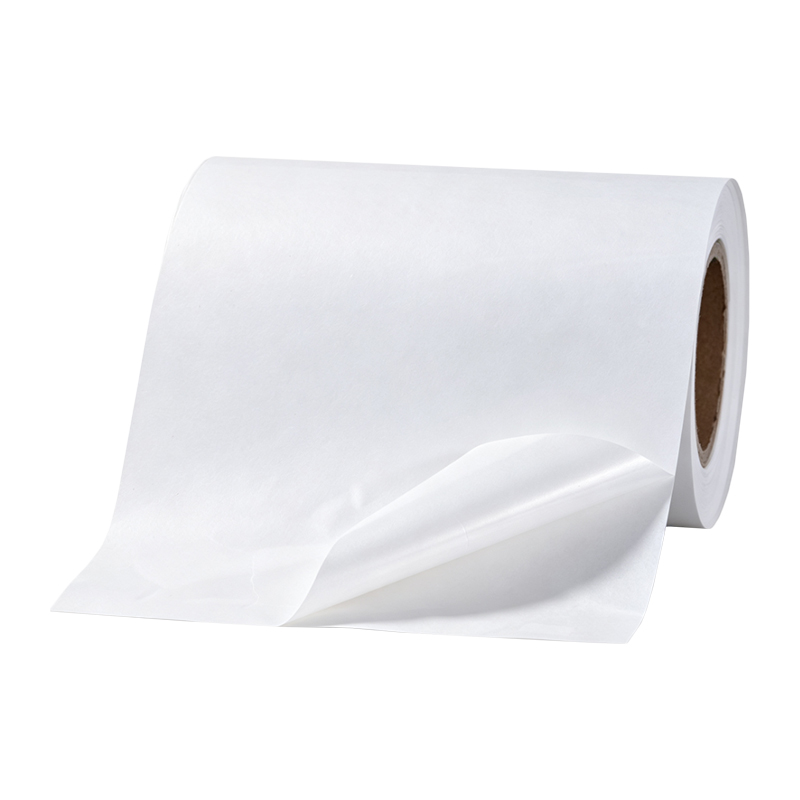
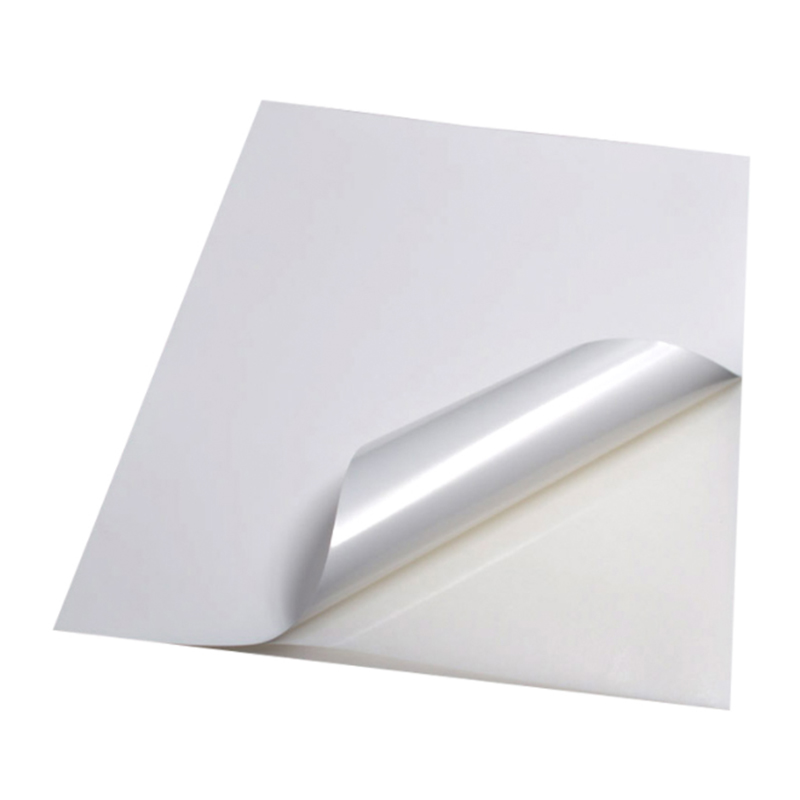
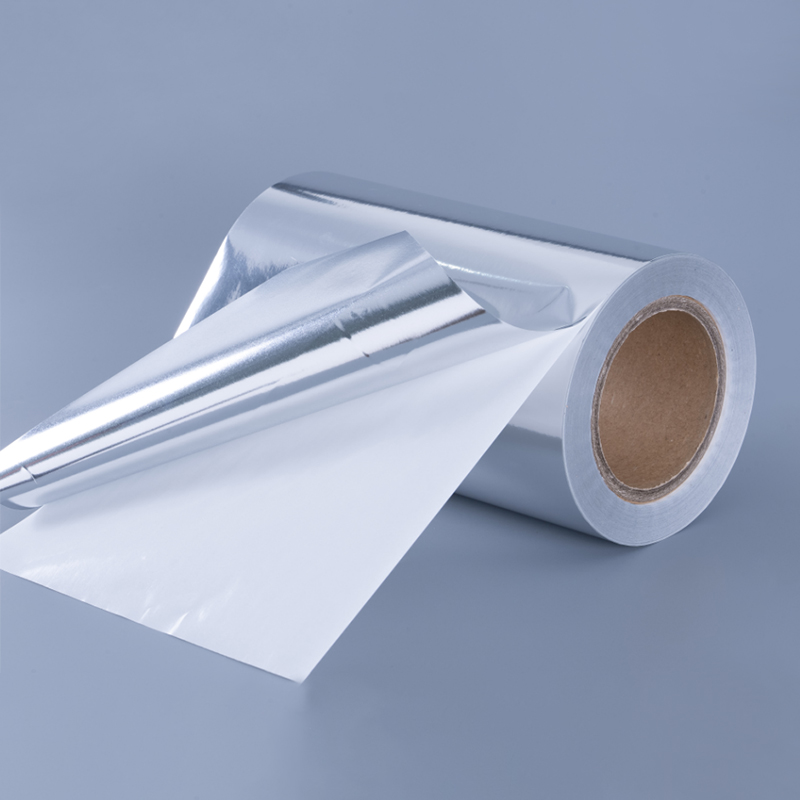
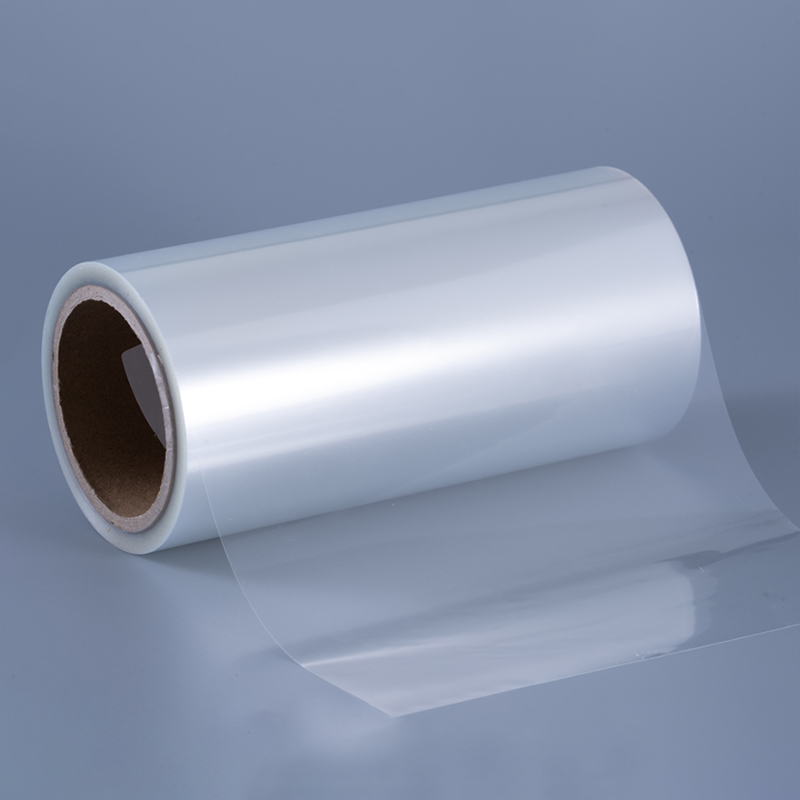
PP label materials are available in white (opaque), clear (transparent), and metallized (aluminum-deposited or metallic-look) versions, each suited to different design and application needs:
With such a broad range of PP self-adhesive label materials on the market, matching the right grade to the intended print process and end-use application is a critical specification decision. The following framework provides a structured approach:
Start with the application requirements: What container will the label be applied to? What temperatures will it encounter in storage and use? Will it be exposed to moisture, chemicals, or abrasion? Labels for chilled food and beverage require cold-temperature adhesives; labels for automotive or industrial chemicals require solvent-resistant adhesives and facestocks; labels on flexible squeezable tubes require ultra-conformable PP films with high-elongation adhesives. Establishing these parameters first narrows the material selection significantly before print process considerations even enter the picture.
Confirm with your material supplier that the PP label stock has been tested and certified for your specific press platform. For flexo, verify that the dyne level meets the minimum requirement for your ink chemistry. For digital UV inkjet, confirm that the material carries the press manufacturer's certification or has been independently tested on your press model. Using a PP label material without verified compatibility for your print technology is one of the most common causes of adhesion failures, ink delamination, and costly reprints.
Think beyond printing to the downstream converting steps: Will the label be die-cut on a rotary die or flatbed? Will it be laminated or varnished? Will it be dispensed on an automatic label applicator at high speed? PP films behave differently from paper in all of these processes. BOPP in particular requires sharp, well-maintained rotary dies to produce clean cut edges without film tearing or stringing. The liner must be appropriate for the die-cutting geometry and the tension control profile of the applicator equipment.
As brand owners face increasing pressure to reduce packaging waste and improve recyclability, the sustainability profile of PP label materials has come under greater scrutiny. PP self-adhesive labels present both opportunities and challenges in a circular economy context.
On the positive side, PP is a recyclable thermoplastic in principle, and PP labels applied to PP containers (a mono-material construction) are generally compatible with established polypropylene recycling streams. The Association of Plastic Recyclers (APR) and RecyClass have developed testing protocols and design guides that allow label manufacturers to obtain official recyclability certification for specific PP label constructions, which is increasingly required by major consumer goods companies.
The more challenging issue is label-to-container compatibility in mixed recycling streams. A PP label on a PET bottle, for example, can contaminate the PET recycling stream if the label does not separate cleanly during the hot wash stage of PET recycling. Wash-off adhesive systems — PSAs specifically formulated to release from the container surface at 80–95°C washing temperatures — have been developed to address this issue and are available as options on PP label stock from major suppliers including Avery Dennison, UPM Raflatac, and Lintec.
Additionally, the release liner represents a significant waste stream in self-adhesive label production. Liner reduction strategies — such as linerless label systems, thin liner grades, and liner recycling programs — are gaining traction as part of broader sustainability commitments in the label industry.
For label converters who are new to PP substrates or looking to optimize their existing PP workflows, the following practical guidelines address the most common issues encountered in production:
Polypropylene self-adhesive label materials occupy a uniquely flexible position in the label converting industry. Their physical durability, moisture resistance, aesthetic versatility, and compatibility across flexographic, screen, and digital UV inkjet printing technologies make them a genuinely multi-platform substrate — one that can serve as the common thread across very different production workflows within a single converting operation.
The key to unlocking this versatility lies in understanding that PP is not a monolithic material — it is a family of engineered constructions whose performance is shaped by surface treatment, topcoat chemistry, film thickness, adhesive selection, and liner specification. Converters and brand owners who invest the time to specify the right PP grade for their specific combination of print technology, end-use environment, and sustainability requirements will consistently outperform those who treat PP as a commodity.
As digital UV inkjet technology continues to mature and as sustainability requirements push the industry toward recyclable mono-material label constructions, PP self-adhesive materials are well-positioned to remain a central substrate choice — evolving with new topcoat formulations, wash-off adhesive systems, and linerless constructions that keep pace with the demands of a rapidly changing market.
We have a professional R&D team and strong manufacturing capabilities to ensure product quality and delivery while doing a good job in product iteration and innovation.
Address : Building 2. No.111 Xincheng Road, Xitangqiao Street, Haiyan, Jiaxing, Zhejiang Province, China
Phone: +86-150 0573 0249
Tel: + 86-0573-8685 2732
Fax: + 86-0573-8685 2732
E-mail: [email protected]
Copyright© Zhejiang Guanma Packaging Co., Ltd.
 Privacy
OEM Self Adhesive Label Material Manufacturers Waterproof Labels Suppliers Custom Adhesive Label Material Factory