Content
Have you ever printed a label for a homemade jam jar, a shipping box, or maybe even a custom sticker? If so, you’ve likely encountered the self adhesive inkjet label. These versatile materials are a staple of modern life, bridging the gap between digital design and physical application. They represent a fascinating intersection of material science, chemistry, and digital printing technology, allowing anyone with a standard inkjet printer to create durable, professional-quality labels right from their desktop.
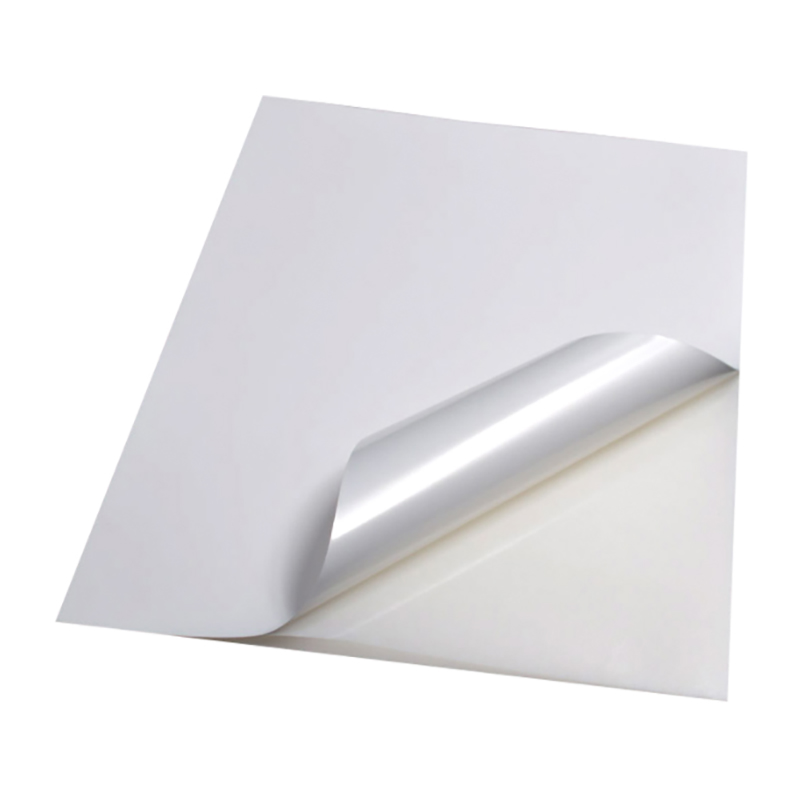
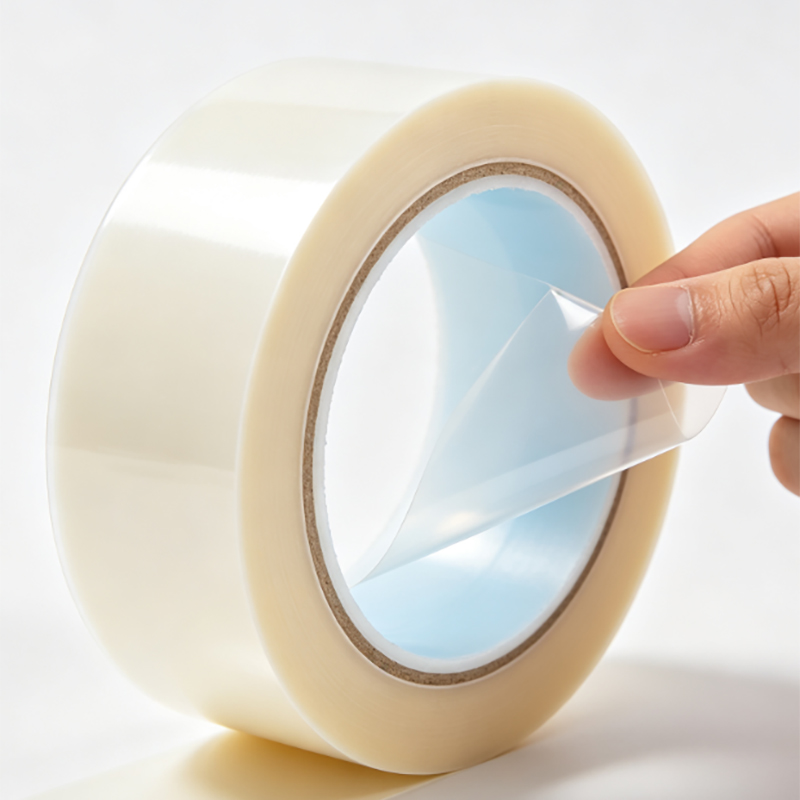
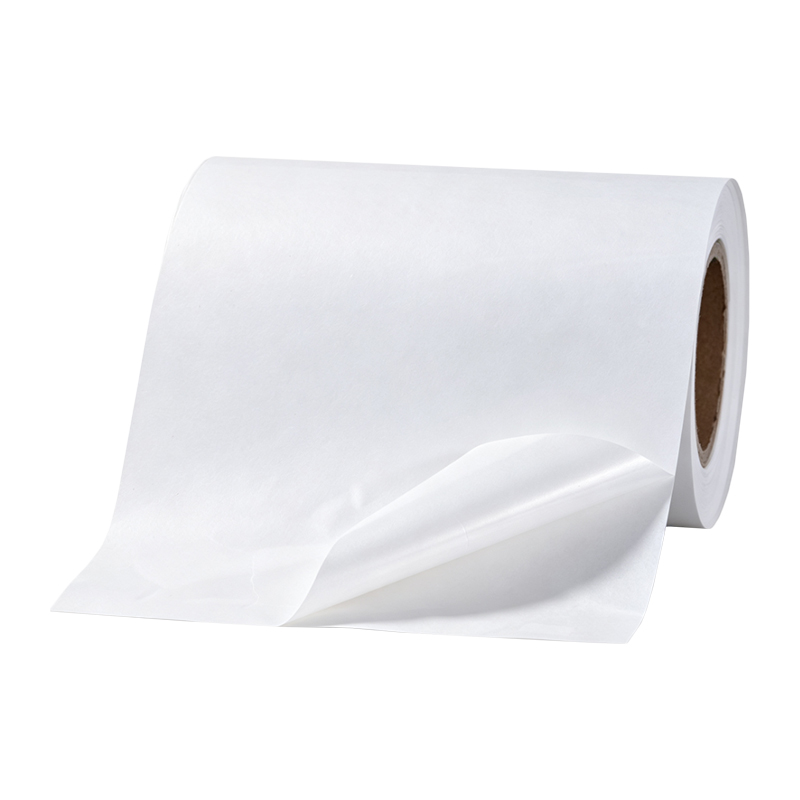
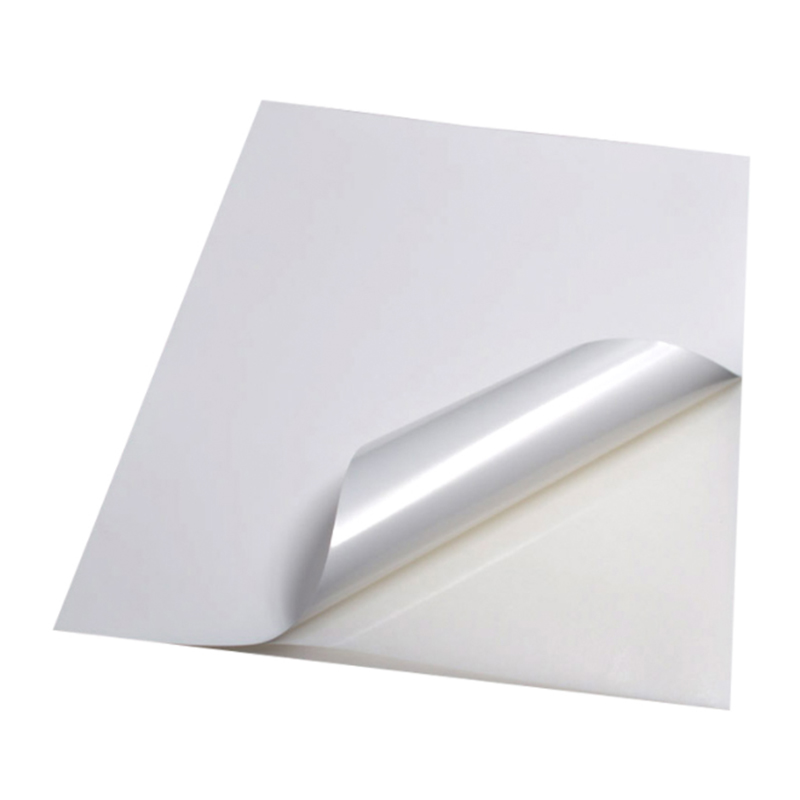
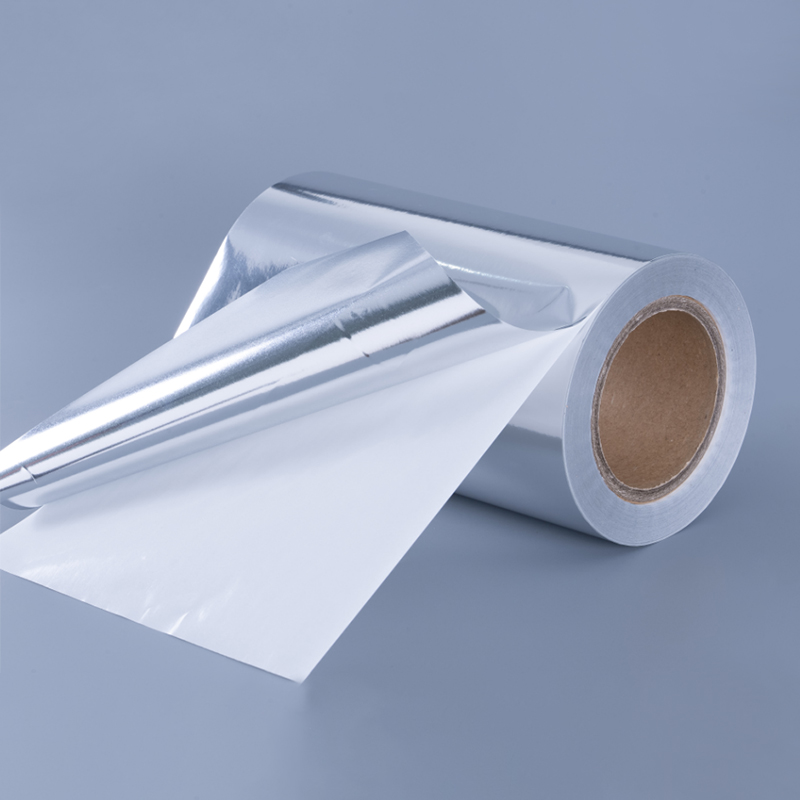
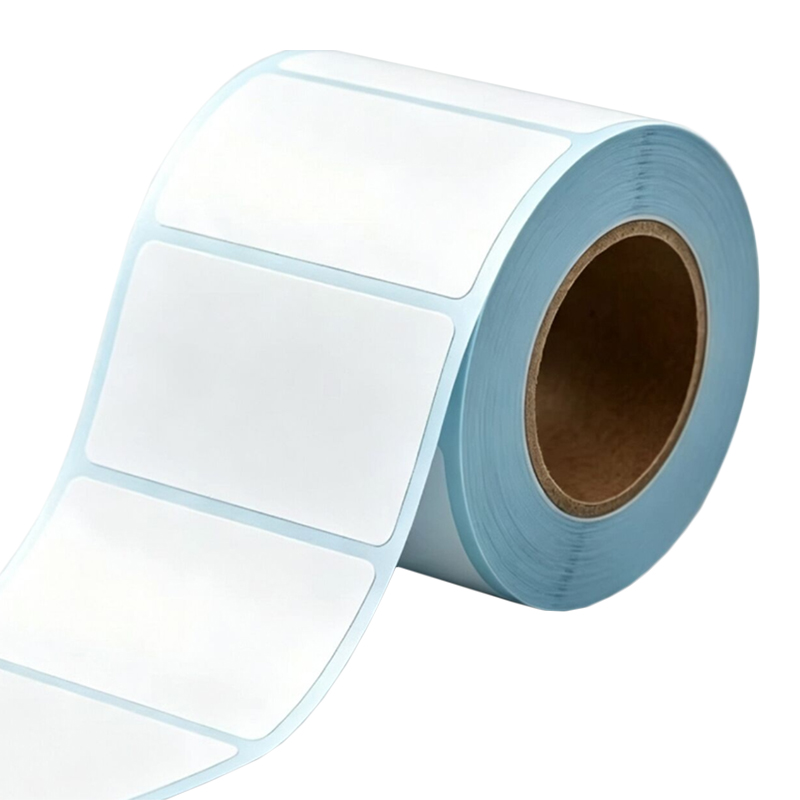
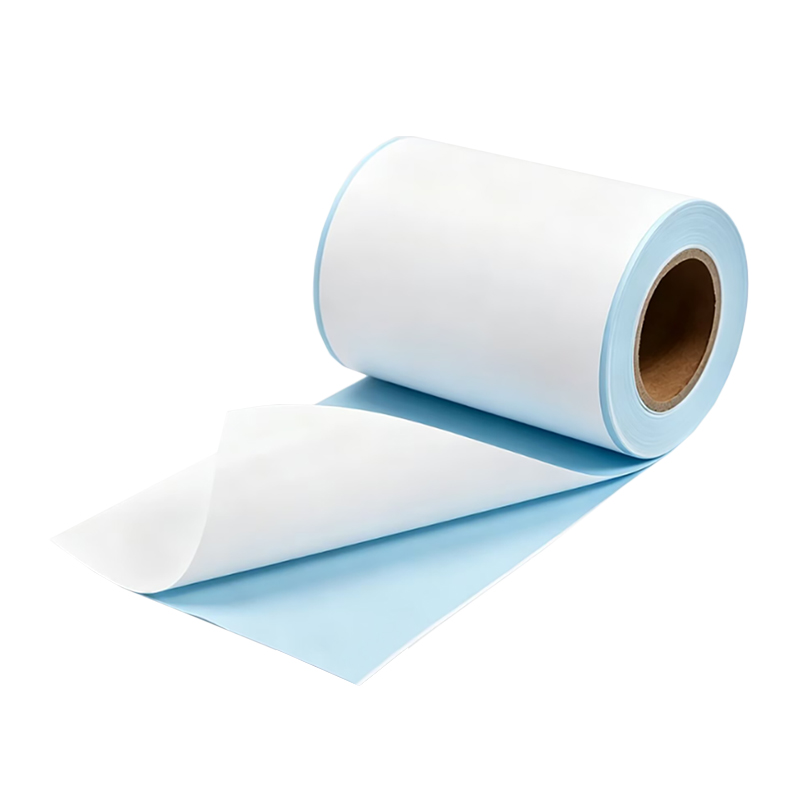
At first glance, a self-adhesive label seems simple, but it is actually a precisely engineered sandwich of different layers, each playing a critical role. Understanding this structure is key to appreciating how they work.
This is the top layer, the one you actually print on. It can be made from various materials, with paper being the most common, but also synthetic films like polyester or vinyl for greater water resistance and durability. The crucial feature of this layer, especially in an inkjet label, is the coating. This coating is specially formulated to receive and lock in the tiny droplets of liquid ink fired by the inkjet printer. Without this specialized surface, the ink would simply spread out, bleed, or rub off easily. The porosity and chemical composition of this coating determine the label’s print quality, color vibrancy, and drying speed.
This is the sticky part that gives the label its “self-adhesive” quality. Adhesives are typically polymers designed to bond to various surfaces (the “substrate”). They can be broadly categorized based on their intended use:
The adhesive is applied to the back of the face material and is engineered to be pressure-sensitive, meaning it requires only a small amount of pressure to create a strong bond.
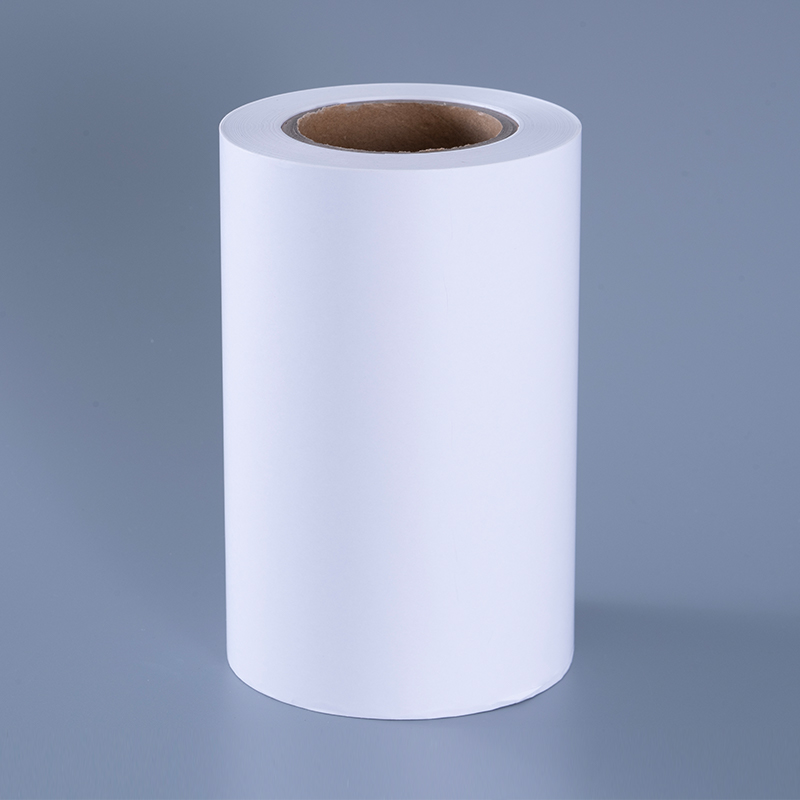
This non-stick layer protects the adhesive until the label is ready to be applied. It is usually a paper or film coated with a release agent, typically silicone, which ensures the label peels away easily and smoothly. The liner must be rigid enough to pass cleanly through a printer’s feed mechanism without jamming, yet flexible enough to be scored or cut.
The “inkjet” part of the self adhesive inkjet label is critical. Inkjet printers create an image by propelling microscopic droplets of ink onto the substrate. The ink used in these printers is usually water-based (using dye or pigment particles), which necessitates the unique receptive coating on the face material. The coating absorbs the water component of the ink while keeping the colorant near the surface, resulting in crisp lines and vibrant colors that dry almost instantly, preventing smudging.
The applications for self-adhesive inkjet labels are nearly endless, making them a cornerstone of both commerce and DIY projects:
The constant innovation in material science means that the self adhesive inkjet label continues to improve, offering better water resistance, stronger adhesives, and higher print resolution, further cementing its place as a practical and powerful tool in the digital age.
We have a professional R&D team and strong manufacturing capabilities to ensure product quality and delivery while doing a good job in product iteration and innovation.
Address : Building 2. No.111 Xincheng Road, Xitangqiao Street, Haiyan, Jiaxing, Zhejiang Province, China
Phone: +86-150 0573 0249
Tel: + 86-0573-8685 2732
Fax: + 86-0573-8685 2732
E-mail: [email protected]
Copyright© Zhejiang Guanma Packaging Co., Ltd.
 Privacy
OEM Self Adhesive Label Material Manufacturers Waterproof Labels Suppliers Custom Adhesive Label Material Factory


 English
 русский
 Español
 عربى
عربى