

 English
 русский
 Español
 عربى
عربى
Home / News / Industry News / Adhesive barcode labels: Applications, Selection Criteria, and Practical Guidance
A pallet of frozen seafood sits in a -25 °C cold store for 48 hours. When it rolls toward the loading bay, a third of the barcode labels have lifted from the poly bags. The printed codes look perfect, but the adhesive failed. The same happens in warmer settings: labels applied to HDPE drums, recycled cardboard, or lightly oiled plastic crates peel within days because the adhesive was never matched to the substrate or the operating temperature. For anyone converting or buying self-adhesive material in jumbo rolls for barcode labels, the adhesive is not a default component. It is the performance specification.
Content
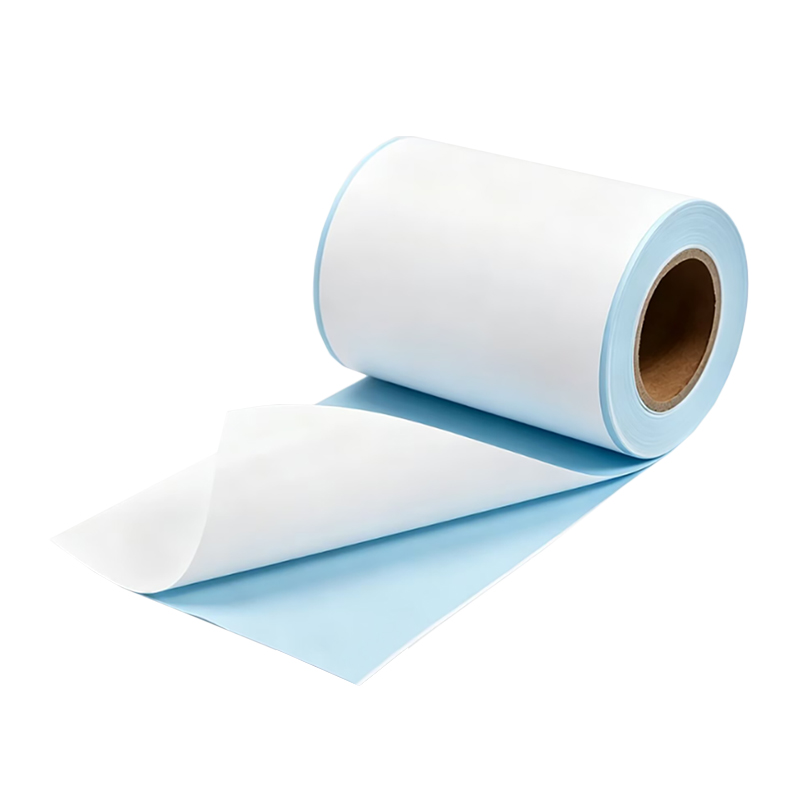
An adhesive barcode label is a three-layer composite: a printable face stock, a pressure-sensitive adhesive (PSA), and a protective liner. Scanners read the face stock; the supply chain depends on the PSA. If the label lifts, curls, or loses its bond, the barcode becomes unreadable regardless of print resolution.
Three failure modes matter most in practice. Edge lifting occurs when the adhesive lacks the tack and flow needed to wet the substrate. De-bonding happens when the PSA stiffens or degrades at temperature extremes. Contamination-related failure occurs when dust, moisture, plasticizer, or mold release agents block adhesion entirely.
That is why the selection logic is the same whether you are a label converter or a packaging buyer: define the substrate, the environment, and the required service life first, then choose the adhesive. This is the same order of decisions we follow at Zhejiang Guanma Packaging; a fuller overview of the face-stock side can be found in our guide to choosing the right self-adhesive label material. This article focuses on the adhesive layer.
Nearly all adhesive barcode labels use pressure-sensitive adhesives, which form a bond under light pressure without heat, water, or solvent activation. Within that category, three families dominate commercial label production.
Acrylic PSAs are the workhorses of the barcode label market. They are based on acrylic ester polymers and are supplied as water-based emulsions, solvent-based systems, or UV-cured coatings.
Water-based acrylic adhesives provide good clarity, aging resistance, and a balanced combination of tack and cohesion. They handle most dry, indoor barcode applications: shipping labels, inventory tags, retail price marking, and asset labels. Their upper service temperature is moderate, and they can struggle with plasticizers and low-energy surfaces unless formulated correctly.
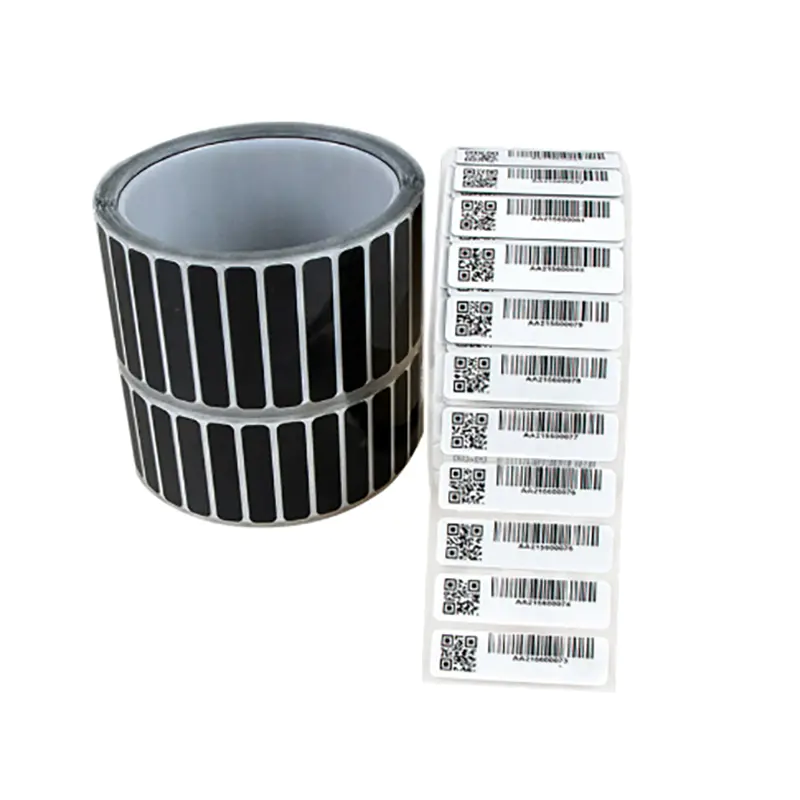
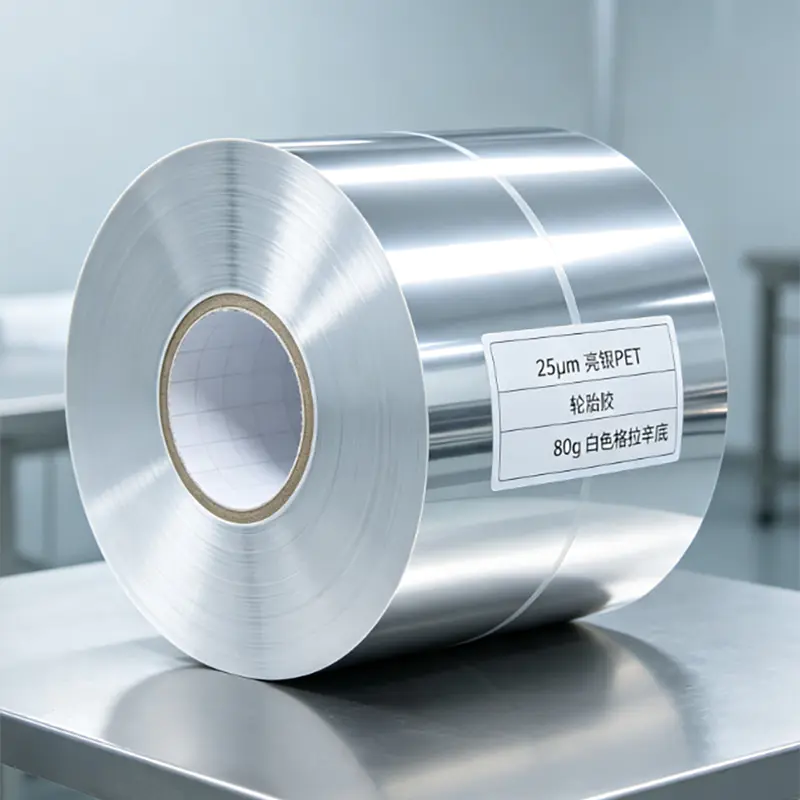
Solvent-based acrylic adhesives are the step-up choice. They wet out better on difficult substrates, build a stronger bond, and resist chemicals, oils, and temperature swings. This is why solvent acrylic is the standard for PET film barcode labels used in cable identification, chemical drums, and industrial equipment. A typical jumbo roll construction, such as 25 micron bright white PET with an acrylic solvent adhesive, has become a common specification for cable and industrial barcode labels.
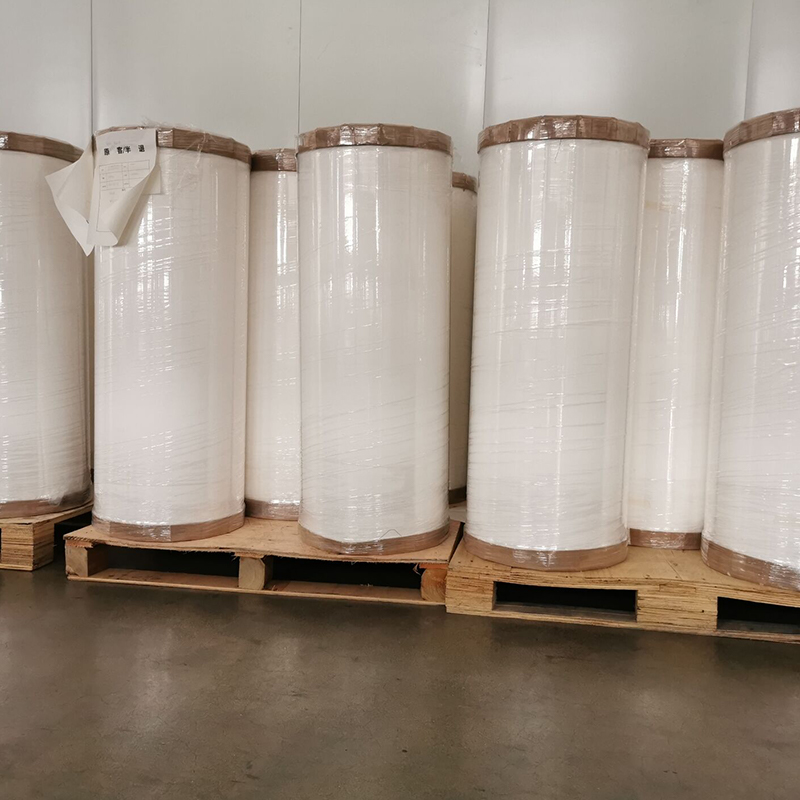 25 Micron Bright White PET with Solvent Acrylic AdhesiveThis PET label stock with solvent acrylic adhesive suits demanding industrial barcode applications such as cable identification, chemical drums, and equipment labeling, offering durable adhesion and resistance to chemicals and temperature swings.View Product →
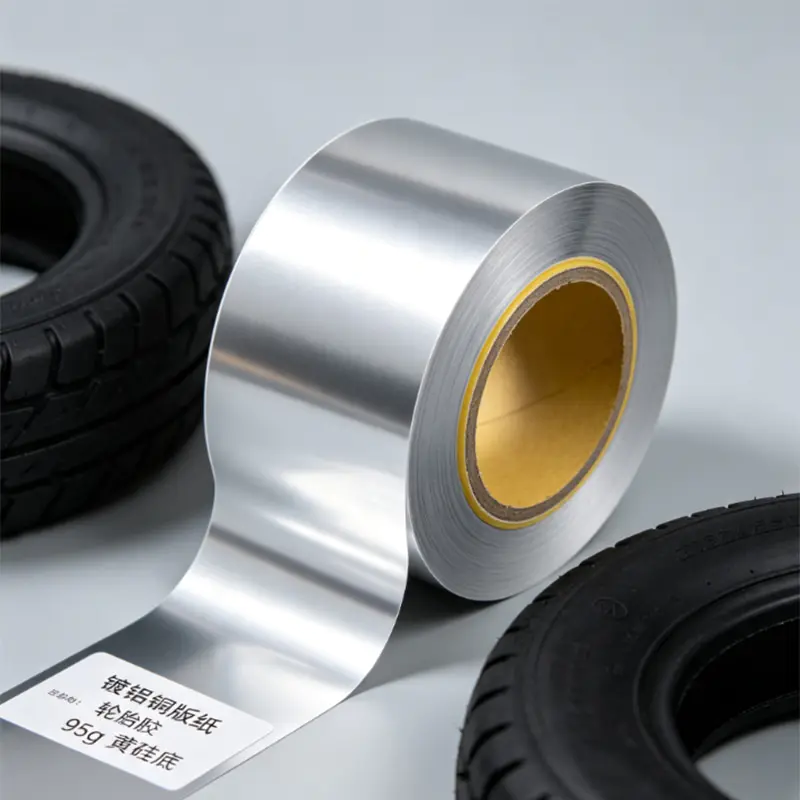
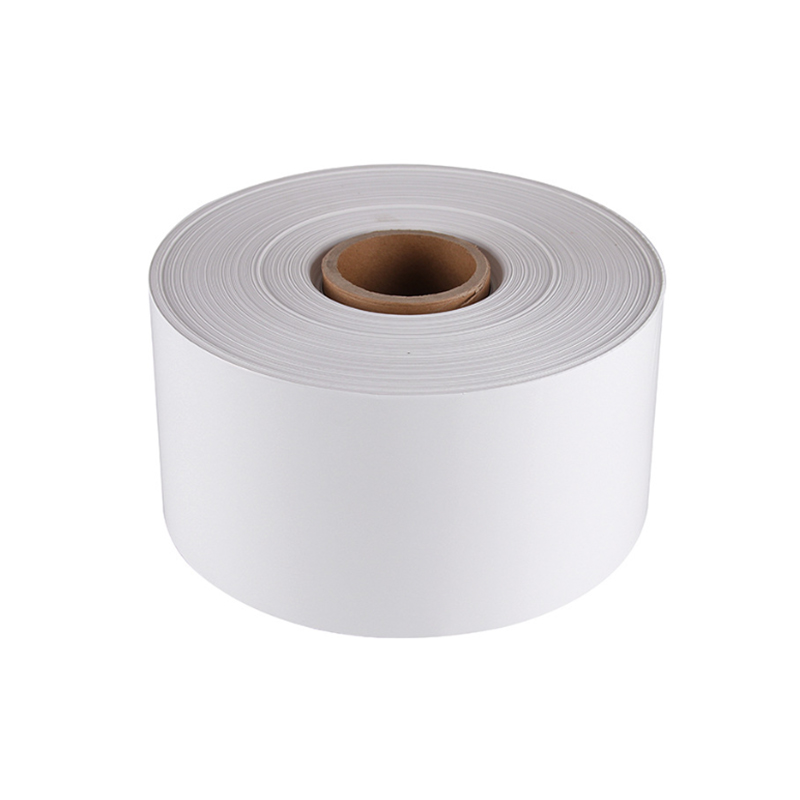
Rubber-based PSAs, typically made from natural rubber or styrenic block copolymers, are valued for aggressive initial tack. They grab quickly even on rough, dusty, or slightly contaminated surfaces, which is why they are common in logistics labels, tire labels, and labels applied to corrugated boxes or woven bags.
The trade-off is lower resistance to heat, ultraviolet light, and plasticizers than a good acrylic. Rubber adhesives also yellow more noticeably over time. The practical rule for barcode labels: if you need fast grab on a difficult surface at ambient temperature, rubber-based adhesive is often the more forgiving choice; if you need long-term durability in a harsh environment, acrylic wins.
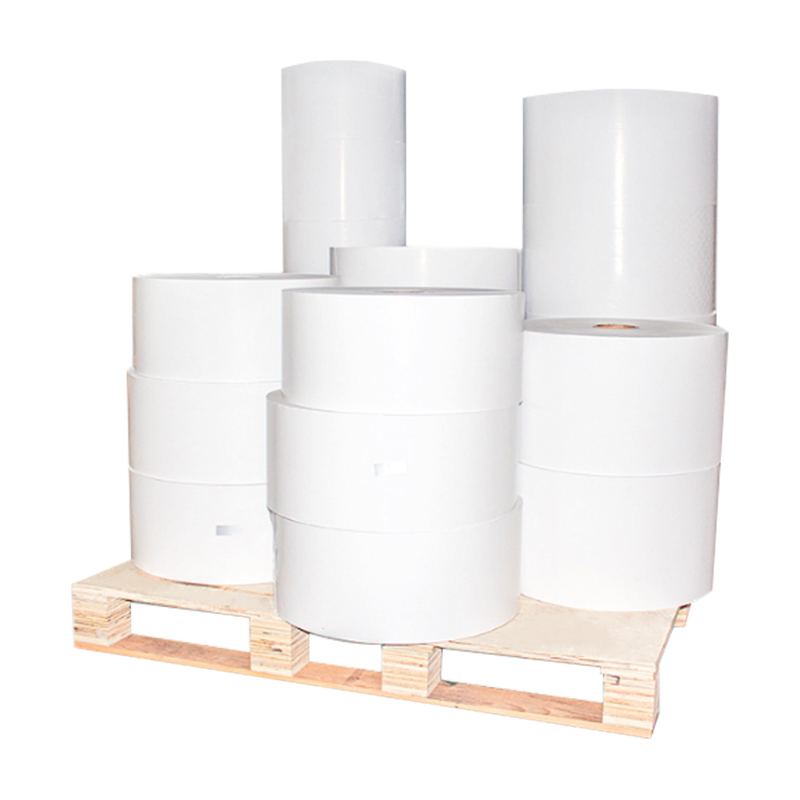 60 Micron White PP Film with Strong Tire-Grade AdhesiveThis white polypropylene film features a strong adhesive designed for tire labels, providing water resistance and firm bonding. It is a practical choice when fast grab on difficult surfaces is required for vehicle labeling.View Product →
Hot melt PSAs are applied molten and cool to form a bond. They offer fast layflat and high initial tack at a favorable cost, so they remain popular in high-volume paper barcode label production. The weaknesses are reduced performance below about -10 °C and above 60 °C, plus limited plasticizer resistance. For ambient warehouse and retail logistics, hot melt is an acceptable option; for cold chains or hot industrial areas, it is usually the wrong choice.
The fastest way to prevent barcode label failures is to match the adhesive chemistry to the real conditions of the application. Three scenarios come up repeatedly with buyers who convert self-adhesive materials into barcode labels.
Polyethylene, polypropylene, and recycled polymers have low surface energy, so adhesives have little to grip. Labels applied to plastic drums, pallet wrapping, crates, and bottles will lift unless the PSA can wet out the substrate and develop sufficient bond strength. Rubber-based adhesives and solvent acrylics are the two families that handle these surfaces reliably.
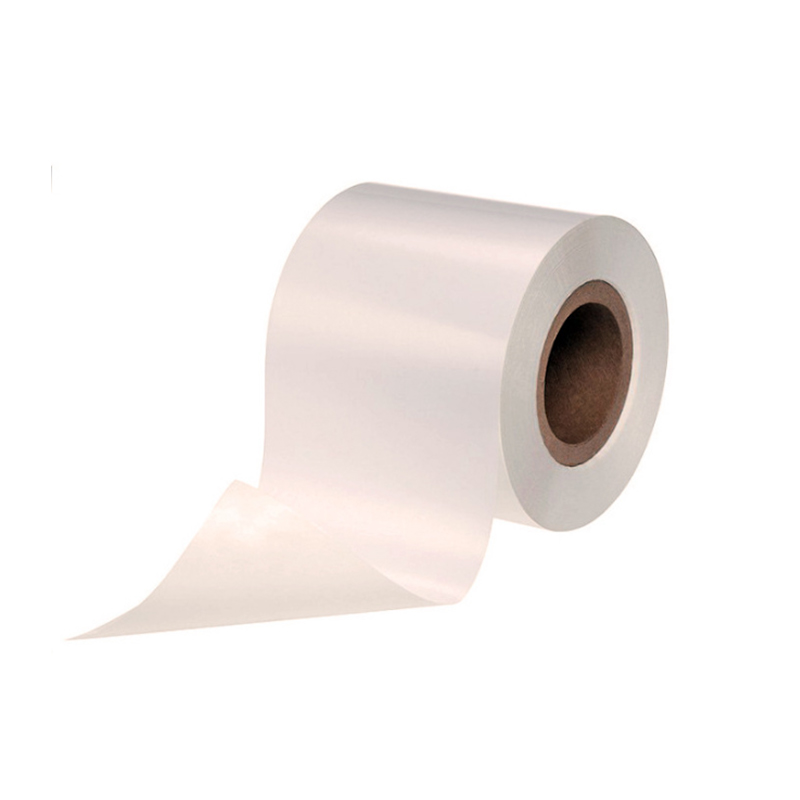
At -20 °C or below, many standard adhesives turn glassy. The label may look fine at application and then crack or pop off when the pallet is handled. Correct cold-storage barcode labeling requires a PSA that keeps its flexibility at low temperature and a face stock that does not embrittle. Synthetic paper with a low-temperature adhesive, often called frozen adhesive, is the typical solution for frozen food barcode labels.
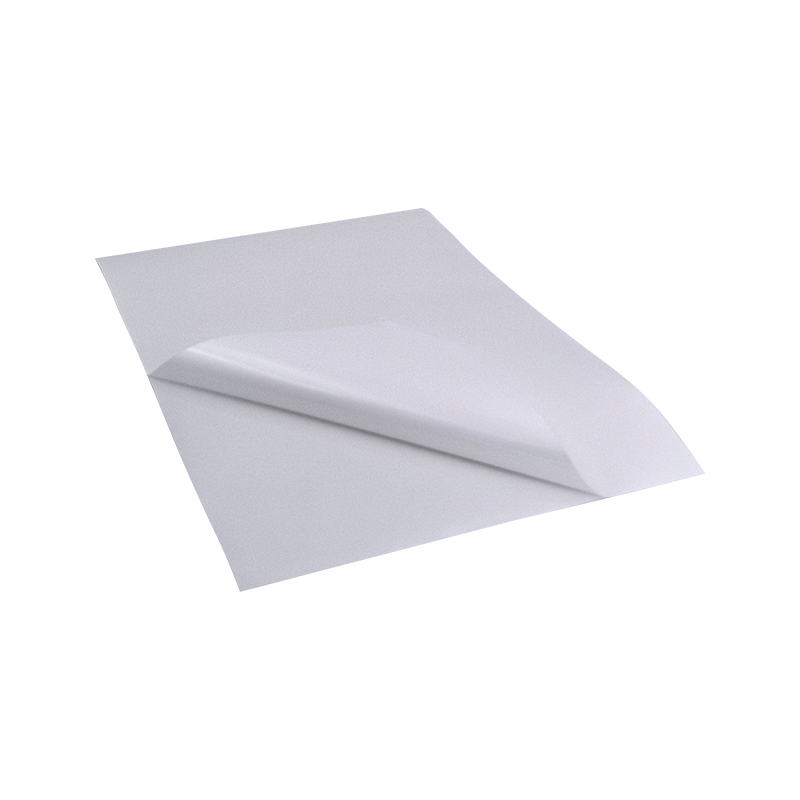 Thermal Synthetic Paper with Frost-Resistant AdhesiveThis thermal synthetic paper paired with a cold-resistant adhesive is intended for frozen food packaging and low-temperature barcode labels. It maintains flexibility and strong adhesion in freezing conditions, preventing label pop-off.View Product →
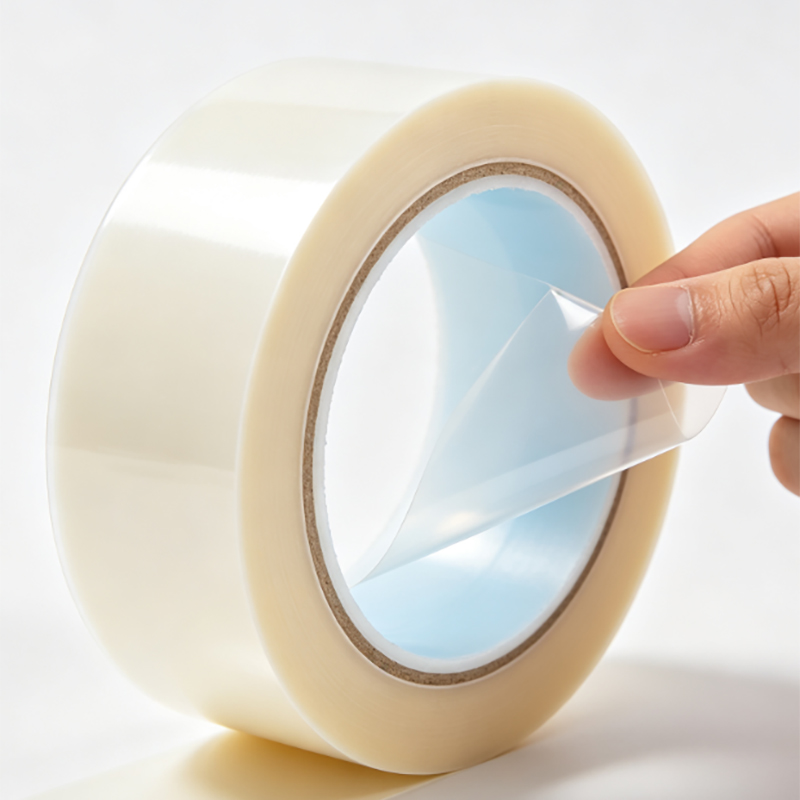
Sunlight, rain, fuel vapors, solvents, and wide temperature swings degrade ordinary PSAs. For outdoor barcode and asset labels, a solvent-based acrylic adhesive on a PET face stock is the proven combination. It keeps its bond over a wider temperature range and resists oil, cleaning agents, and UV radiation far better than rubber-based or hot melt systems.
| Adhesive family | Initial tack | Temperature range | Chemical resistance | Typical barcode label uses |
|---|---|---|---|---|
| Water-based acrylic | Medium | -20 °C to 120 °C | Good | Paper shipping and retail labels |
| Solvent-based acrylic | Medium-high | -30 °C to 150 °C | Excellent | PET industrial and outdoor labels |
| Rubber-based | High | -20 °C to 80 °C | Limited | Logistics, tire, and coarse-surface labels |
| Hot melt | High | -10 °C to 60 °C | Limited | High-volume paper labels at ambient conditions |
The table is a practical starting point, not a substitute for testing. Within each family, formulation choices such as monomers, crosslinkers, and tackifiers shift the performance envelope significantly.
When you order barcode label stock in jumbo rolls, the adhesive deserves the same precision as the face stock. A complete construction description includes:
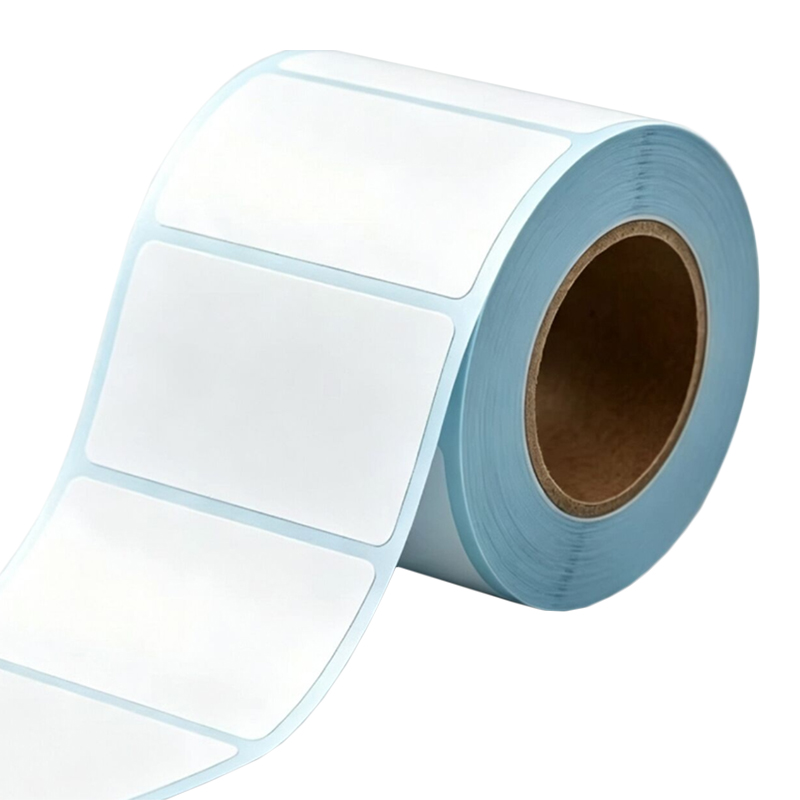
Two practical checks prevent most specification mistakes. First, test samples on the real substrate under real conditions: a bench test on a clean steel panel tells you little about performance on a dusty PP crate. Second, confirm the service temperature range with your material supplier, because a barcode label that fails at -25 °C is a supply chain risk, not a printing problem. For short runs and validation work, ready-made blank barcode label rolls let you test the adhesive before committing to a full jumbo roll order.
Before ordering full production quantities, run a small trial on the actual packing line at the actual application temperature. Adhesive barcode labels fail at the interface, not in the print. The failure is predictable and preventable once the substrate, temperature range, and adhesive chemistry are defined; a material combination can then be selected that keeps labels bonded from the moment of application until the last scan is read.
We have a professional R&D team and strong manufacturing capabilities to ensure product quality and delivery while doing a good job in product iteration and innovation.
Address : Building 2. No.111 Xincheng Road, Xitangqiao Street, Haiyan, Jiaxing, Zhejiang Province, China
Phone: +86-150 0573 0249
Tel: + 86-0573-8685 2732
Fax: + 86-0573-8685 2732
E-mail: [email protected]
Copyright© Zhejiang Guanma Packaging Co., Ltd.
 Privacy
OEM Self Adhesive Label Material Manufacturers Waterproof Labels Suppliers Custom Adhesive Label Material Factory