

 English
 русский
 Español
 عربى
Home / News / Industry News / Adhesive Labels for Bottles: A Practical Guide to Face Stocks and Adhesives
Adhesive labels for bottles look simple on a shelf, but they have to survive a lot: curved surfaces, squeezing, condensation, refrigeration, handling, and the printing line itself. When a label lifts at the edge or wrinkles after application, the cause is rarely a single bad material. It is usually a mismatch between the bottle, the face stock, the adhesive, and the way the label is printed and applied.
At Zhejiang Guanma Packaging, we work on the material side of that puzzle, producing self-adhesive paper and film in jumbo rolls for label printers, converters, and packaging teams. That perspective makes one point clear: choosing bottle labels is a system decision. The following guide walks through the practical questions we hear most often, without pretending there is one universal answer.
Content
Before comparing PP, PET, or paper, look closely at the bottle and the journey it will take. A rigid glass bottle on a cosmetic counter is a different labeling problem from a squeezable shampoo bottle in a wet bathroom, or a chilled beverage bottle that sweats in a cooler. The most useful starting questions are:
It also helps to know the application speed, the bottle shape, and whether the label will be applied by hand or automatically. A material that performs well in a hand trial can still behave differently on a high-speed line if the liner release or stiffness is not suited to the equipment.
Face stock decides how the label looks, how it prints, and how well it follows the bottle. For bottles, the most common families are paper, PP film, and PET film. Each has a useful place, provided it is matched to the bottle and the end use.
| Bottle or use case | Face stock to consider | Adhesive notes | Why it can work |
|---|---|---|---|
| Everyday opaque bottles | Bright white PP or coated paper | Permanent acrylic or rubber-based adhesive | Good print surface; PP adds moisture resistance and flexibility. |
| Clear bottles and cosmetics | Transparent PP or clear PET | Permanent or removable acrylic | Supports a no-label look; PP generally conforms more easily. |
| Squeeze and flexible bottles | Flexible PP or PE film | Permanent soft or high-conformability adhesive | Helps the label move with the bottle instead of fighting it. |
| Chilled, damp, or frozen bottles | Synthetic PP or waterproof thermal paper | Low-temperature or frozen adhesive | Designed for moisture and cold conditions where standard paper may fail. |
| Oil, chemical, or high-heat exposure | PET, metallized PET, or durable PP | Solvent acrylic, high-temperature, or chemical-resistant adhesive | Provides a more stable base when the label faces aggressive conditions. |
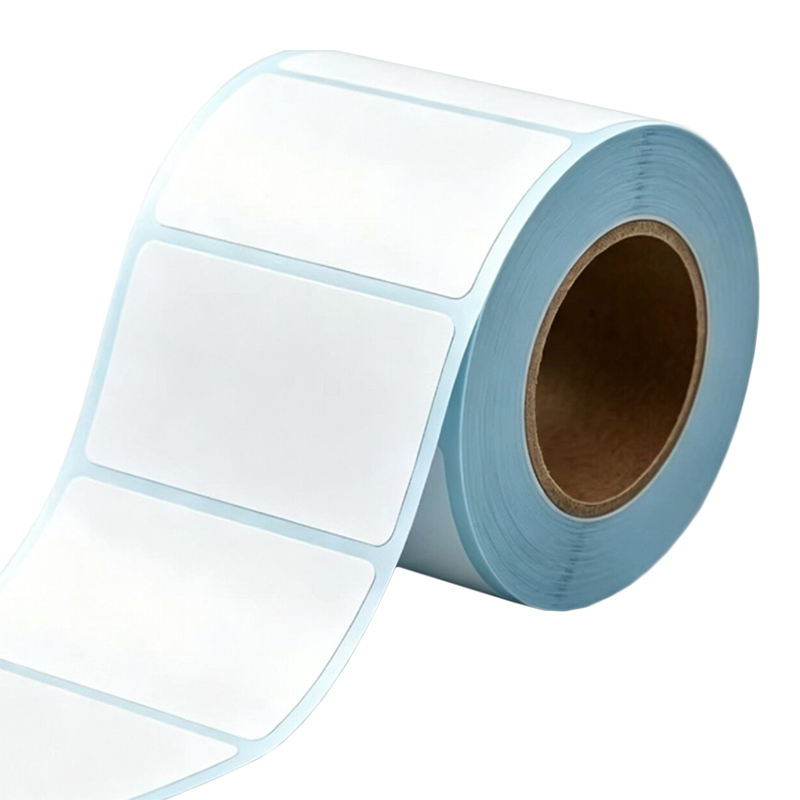
For opaque white bottles, a 60 µm bright white PP is often a practical starting point. It gives a clean white background, prints well in common label processes, and offers better moisture resistance than an uncoated paper face. It is the kind of material that suits beverage, household, and personal-care bottles where a crisp printed surface matters.
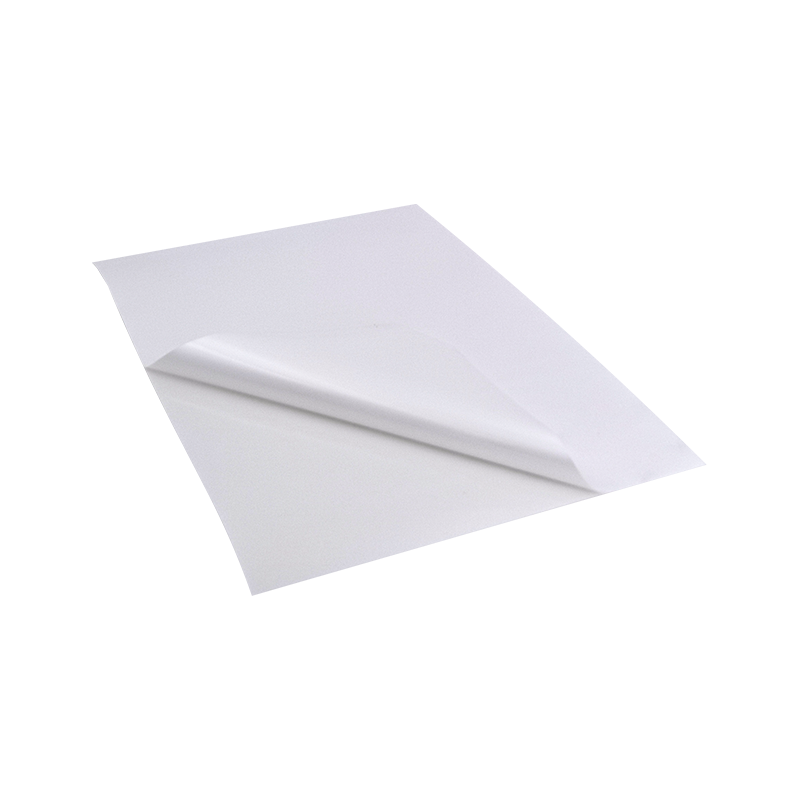 60um Bright White PP Label MaterialThe 60μm bright white polypropylene (PP) label material is a versatile and durable substrate commonly used in labeling applications. With a thickness of 60 micrometers...View Product →
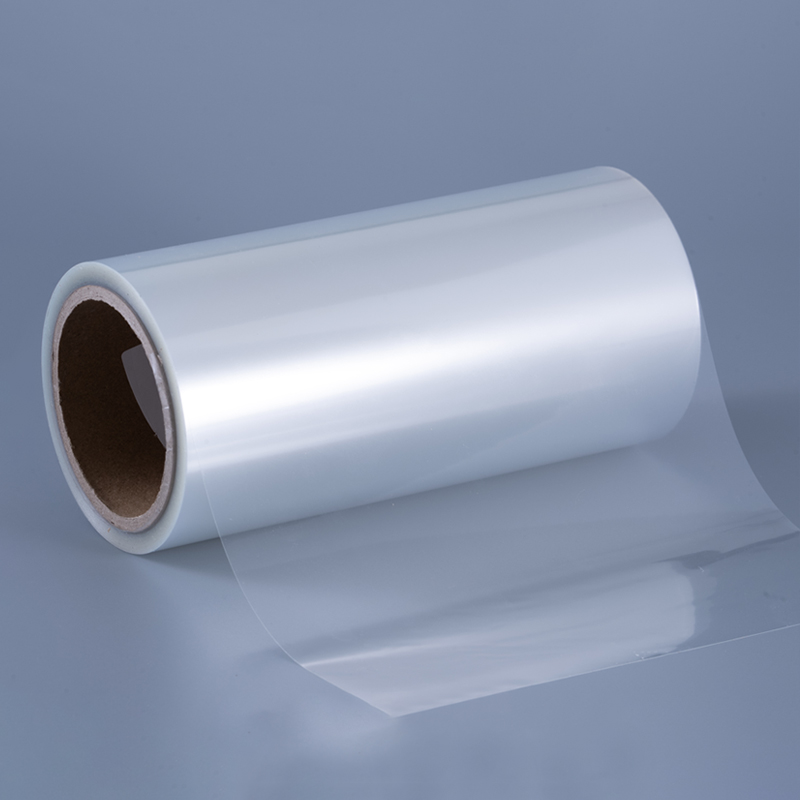
When the bottle itself should show through, a transparent PP label film can create a clean, integrated look for cosmetics and daily-care products. The bottle color, fill, and surface texture become part of the design, so the face stock needs to stay clear and smooth while still handling the curve of the container.
 Transparent PP Label Film For Cosmetics And Daily Labels50um transparent PP film / acrylic glue /60g white glassine linerView Product →
Paper is not obsolete. A good coated paper can be attractive and cost-effective for dry, rigid bottles with short service lives. The key is honesty about the environment. If the bottle will sit in a shower, a cooler, or an oily workshop, paper needs a protective advantage or a different material choice.
Print buyers often focus on the face stock because it is visible. The adhesive is doing the quiet work underneath. It has to wet out on the bottle surface, resist shear, and stay stable through temperature changes. For bottle labels, adhesive selection usually comes down to three practical questions: how permanent should the bond be, what chemistry suits the surface, and what conditions will the label meet?
A permanent adhesive is the normal choice for beverage, household, and industrial bottles where the label should stay in place until the package is discarded. A removable adhesive is useful for promotional labels, reusable containers, and some cosmetics where clean removal is part of the product experience. There are also intermediate options, but they should be tested rather than assumed. “Removable” does not mean the same thing on glass, HDPE, and coated PET.
Water-based acrylic adhesives are widely used because they offer a balanced starting point for many bottle applications. Solvent acrylic adhesives can bring stronger performance on difficult surfaces or in more demanding conditions. Rubber-based and hot-melt adhesives can be useful where initial tack and fast bonding are important, while specialty options such as low-temperature, high-temperature, UV, and strong solvent adhesives address more specific challenges.
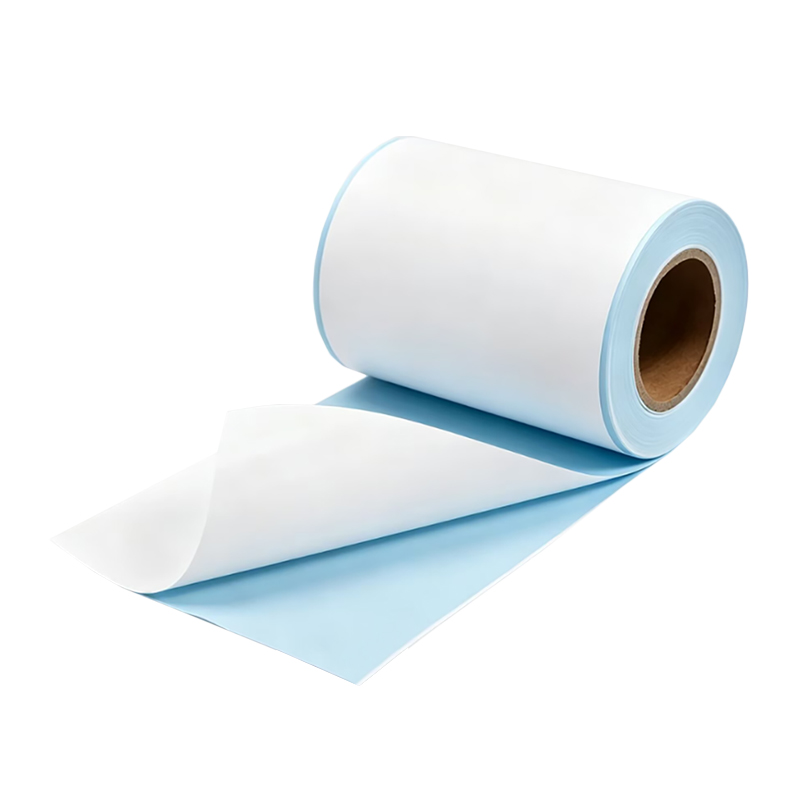
For heavier bottles, rough surfaces, or labels that must stay put through moisture and handling, a stronger construction may be more appropriate. A white PP face laminated with PET film, paired with a strong adhesive, can add stiffness and tear resistance while keeping a familiar print surface.
 Strong Adhesive White PP Lamination With Pet Film60um white PP lamination with 19um transparent PET / strong rubber glue /80g double sides silicon paperView Product →
The practical lesson is to test the adhesive on the actual bottle, not on a generic panel. Surface energy, mold release agents, recycled content, and even the bottle’s storage history can affect bonding. A material that works beautifully on a clean glass sample may behave very differently on a production bottle with dust, moisture, or a low-energy plastic surface.
Bottle labels are usually printed before they are applied, and the print method can narrow the material choice quickly. Flexo, screen, digital toner, UV inkjet, and laser printing all place different demands on the face stock. Coating quality matters as much as the film or paper name.
For small bottle labels with fine type, a smooth face stock and a well-matched top coating can make a visible difference. For large wrap labels, the combination of film stiffness, adhesive flow, and liner release becomes more important than print gloss alone.
Bottle label projects become much easier when the trial is planned like a small production run rather than a quick stick test. We usually suggest a straightforward sequence:
Record the face stock, adhesive type, liner, bottle material, print method, and test conditions. That record becomes valuable when a bottle design changes or when a new product joins an existing line.
There is no shortage of adhesive labels for bottles on the market. The harder part is finding a material combination that fits the bottle, the print process, and the conditions in the real world. A practical supplier should be willing to discuss the bottle surface, the adhesive family, the liner, and the trial results rather than simply quoting a film thickness.
Our range at Zhejiang Guanma Packaging includes PP, PET, PE, paper, thermal, and specialty self-adhesive materials supplied in jumbo rolls, with adhesive options for different surfaces and environments. If you are working through a bottle label project, talk through your application with our team and start with the bottle in front of you, not a catalogue page.
We have a professional R&D team and strong manufacturing capabilities to ensure product quality and delivery while doing a good job in product iteration and innovation.
Address : Building 2. No.111 Xincheng Road, Xitangqiao Street, Haiyan, Jiaxing, Zhejiang Province, China
Phone: +86-150 0573 0249
Tel: + 86-0573-8685 2732
Fax: + 86-0573-8685 2732
E-mail: [email protected]
Copyright© Zhejiang Guanma Packaging Co., Ltd.
 Privacy
OEM Self Adhesive Label Material Manufacturers Waterproof Labels Suppliers Custom Adhesive Label Material Factory