

 English
 русский
 Español
 عربى
Home / News / Industry News / Adhesive Label Materials for Spice Packaging: A Practical Guide for B2B Buyers
Walk down any supermarket spice aisle and the labels do a lot of quiet work. They tell you whether the paprika is smoked or sweet, whether the cinnamon is Ceylon or cassia, and whether the blend is mild or hot. For the converter and the brand owner, though, those small rectangles are also a material challenge. Spice jars are curved, often filled in dusty rooms, stored near steam, and handled with oily fingers. That is why adhesive label spices projects tend to succeed or fail long before the press starts.
At Guanma, we spend most of our time on the material side of that challenge: self-adhesive film and paper supplied in jumbo rolls to label printers and converters. This guide is a practical look at what matters when you specify a label for spices, seasonings, and dry blends.
Content
A label that looks perfect on a flat sample board can lift at the edge of a 50 mm jar after a week on a warm shelf. Small-diameter containers put film under constant tension. The adhesive has to hold against the film's memory, the print has to survive scuffing in transit, and the face material has to resist moisture from the kitchen and oils from the spice blend itself.
There is also the matter of dust. Turmeric, paprika, cumin, and ground pepper are fine powders. They settle on jar surfaces during filling, and a label applied over even a light dust film may not wet out properly. If the container is washed or rinsed after filling, residual moisture can create the same problem. Good spice label specification therefore starts with the filling line, not with a colour chart.
Another common issue is light. Spice displays are often brightly lit, and some blends sit in shop fixtures for months. A face material with good opacity and a print surface that holds ink sharply will keep the label looking crisp. A cheap paper label may be adequate for a short-lived promotion, but it is rarely the best choice for a retail spice brand that expects a shelf life of many months.
Before choosing a face material, confirm what the label will sit on. Glass jars are common for premium spices, but plastic jars, tins, composite cans, and flexible pouches all appear in the category. Glass is smooth and chemically stable, yet it can carry condensation or oily residue. Plastic jars vary in surface energy, so the same adhesive may behave differently on PET, PP, or HDPE. Tins and pouches bring their own problems: curved seams, flexing, and sharp edges.
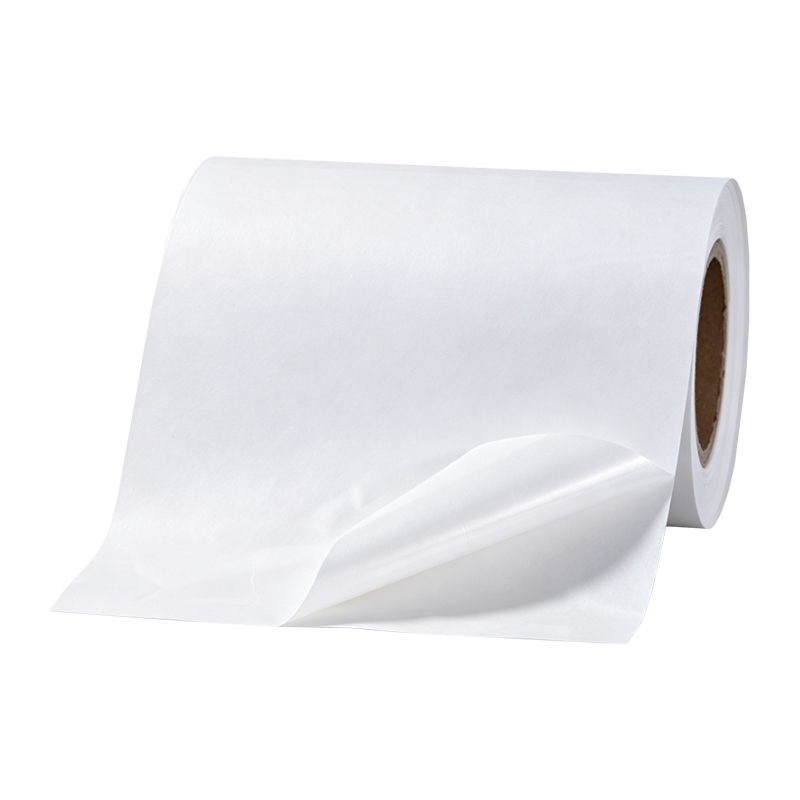
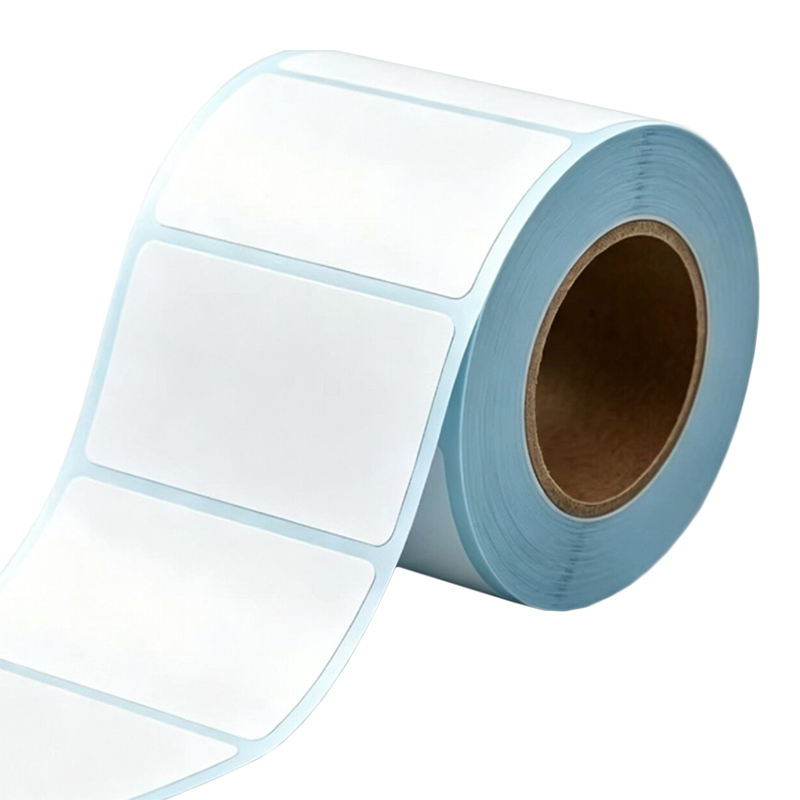
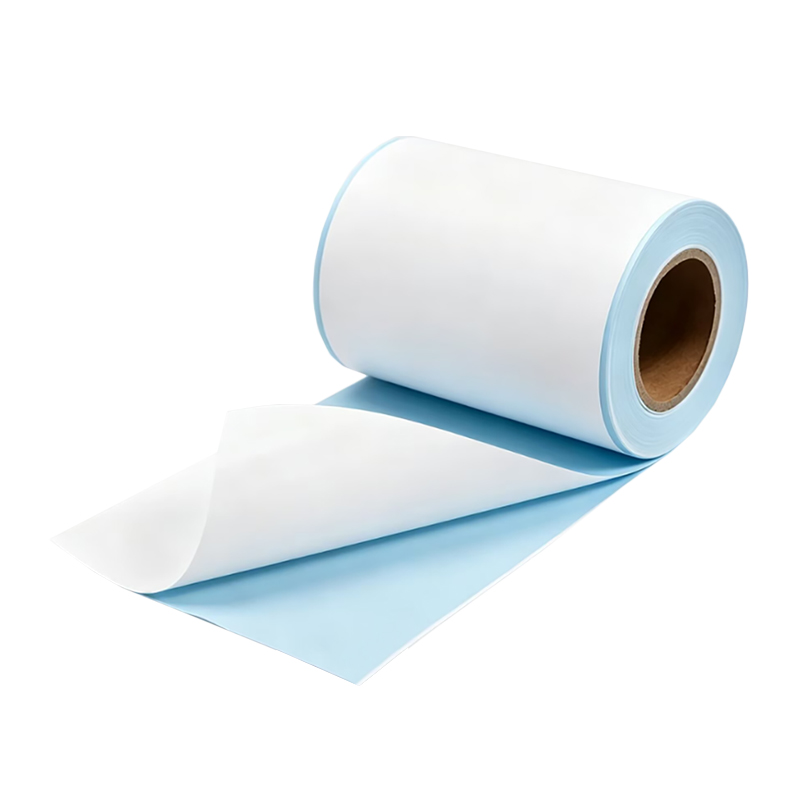
For glass and plastic spice jars, a white PP film is often a sensible starting point. It gives a clean opaque background, accepts flexo, screen, and digital print, and has enough flexibility for small diameters. A 60 µm bright white PP is a practical workhorse for many jar labels, though the adhesive and liner still need to be matched to the application.
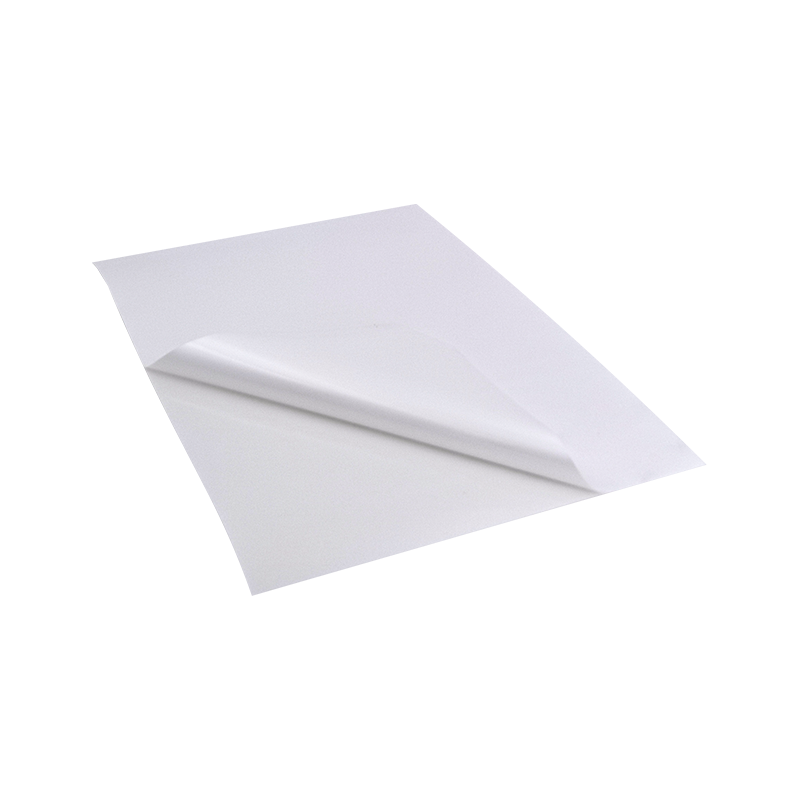 60 µm Bright White PP Label Material for Spice JarsA bright white PP film with acrylic adhesive and glassine liner, suited to glass or plastic spice jars where print contrast and tear resistance matter.View Product →
If the jar is filled hot, rinsed after labelling, or packed into a humid warehouse, say so early. Do not assume that a standard permanent adhesive will behave the same way in every filling environment. The same applies to application speed: a label that dispenses cleanly on a slow semi-automatic line may web-break or bubble on a high-speed rotary applicator.
Spice brands use different packaging to signal different price tiers. A clear jar of saffron and a value bag of ground pepper do not need the same label construction. The table below gives a practical starting point for the most common face materials, but it is not a substitute for a trial run with the actual container and filling process.
| Face material | Where it fits | What to watch |
|---|---|---|
| Bright white PP film | Glass and plastic spice jars, retail shelf labels | Adhesive choice on oily or dusty jars |
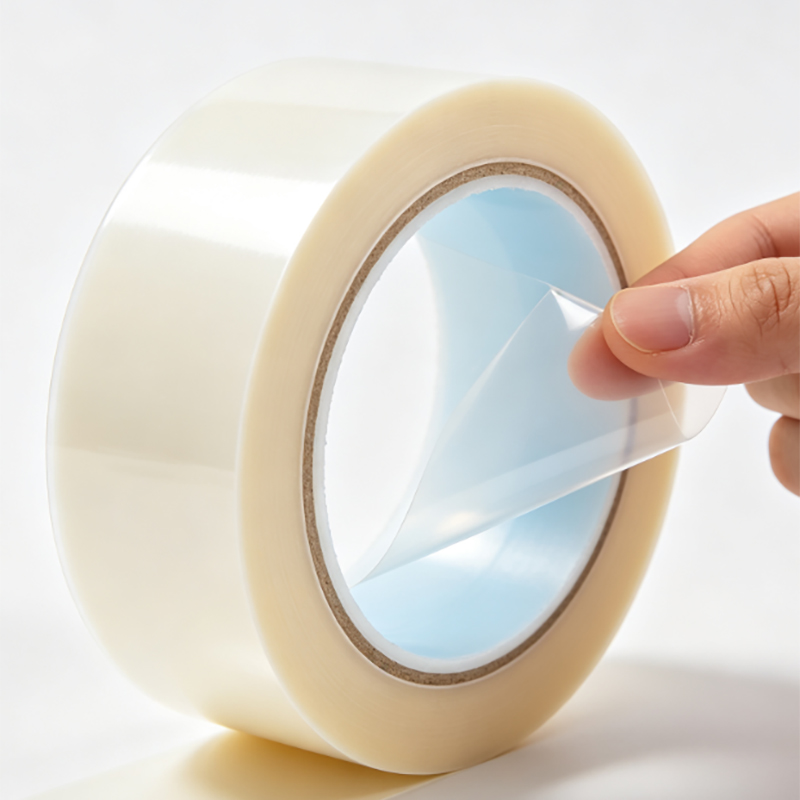
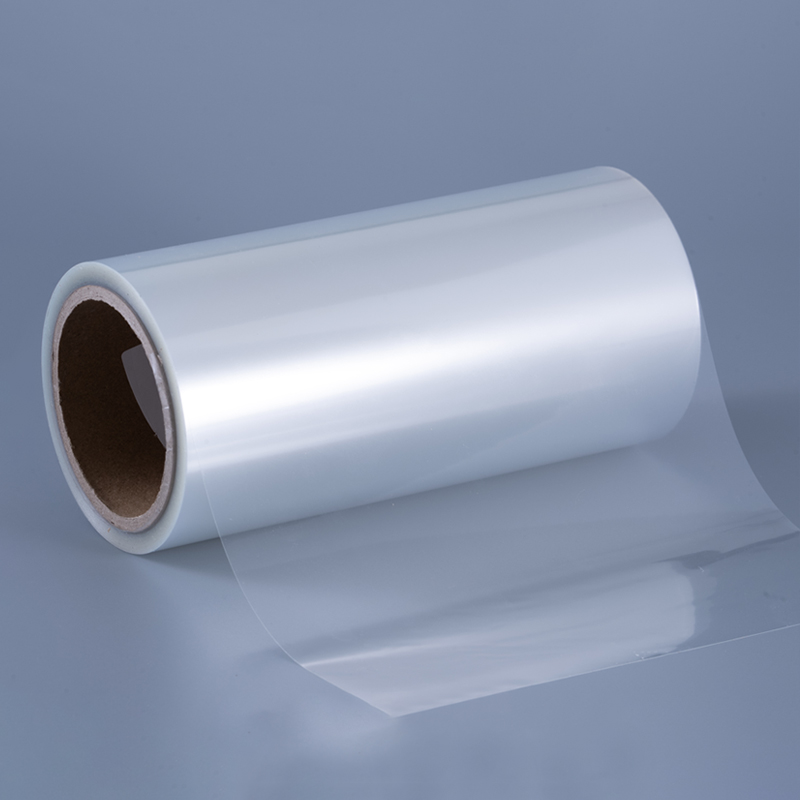
| Transparent PP film | Clear jars where a printed-on-glass look is wanted | Bubbles, adhesive lines, and jar imperfections show |
| White PET film | Durable labels needing strong graphics and moisture resistance | Less conformable on very tight curves |
| Synthetic PP paper | Pouches, larger jars, and labels needing a paper-like print surface | Check oil and abrasion resistance for the blend |
| Woodfree paper | Dry, short-life, cost-focused packs | Poor moisture and oil resistance in kitchen use |
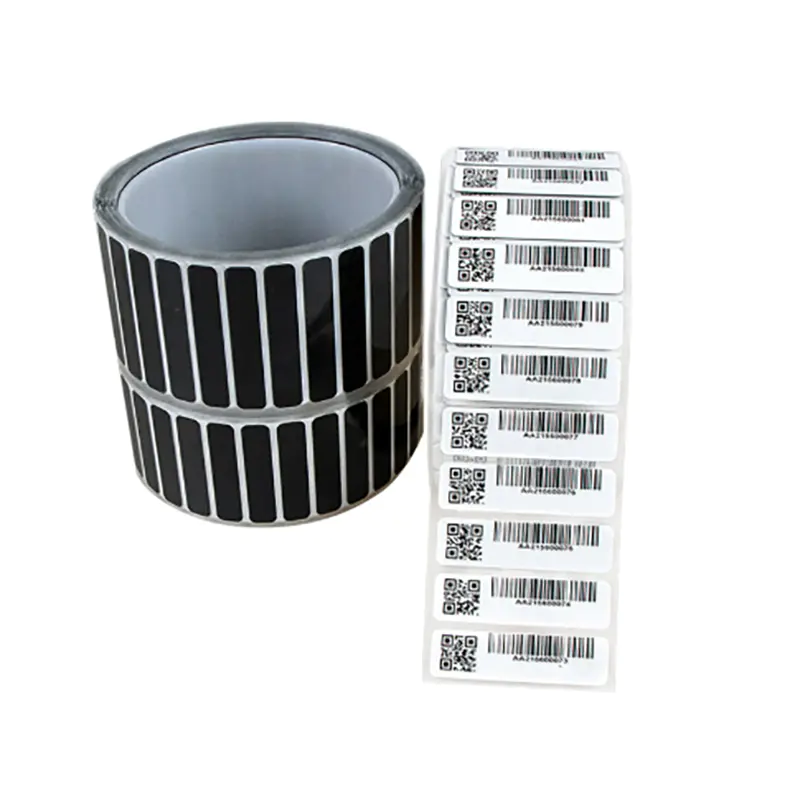
| Thermal paper | Batch, weight, and logistics information | Not usually suitable for premium retail presentation |
For dry spices in opaque jars, bright white PP is often the practical workhorse. For clear jars, transparent PP can create a clean, printed-on-glass effect, but the converter must control adhesive coating weight and lamination quality. White PET brings a premium feel and good moisture resistance, but it is stiffer, so small diameters need testing. Synthetic PP paper can bridge paper-like print with water resistance, which is useful for pouches and wider containers.
Adhesive is where a lot of spice label problems start, and where they can be solved. Water-based acrylic adhesives are widely used for general-purpose jar labelling and offer a good balance of cost and performance. Solvent acrylic adhesives can provide a tighter bond and better humidity resistance. Rubber-based adhesives give quick tack, but their long-term aging behaviour needs to be considered. Removable adhesives have a place for promotions, recipe booklets, and temporary pack changes.
Oily spice blends deserve close attention. A jar that has been filled with an oily mix can leave a thin film on the glass or plastic. If that film is not controlled, even a strong adhesive may not reach the surface properly. In these cases, a heavier adhesive coating or a construction designed for difficult surfaces can make the difference between a label that stays flat and one that lifts at the edge.
 Strong Adhesive White PP with PET Film for Oily Spice JarsA white PP label laminated with PET film and strong rubber adhesive, aimed at demanding surfaces such as oily spice jars and plastic packaging.View Product →
The liner matters too. Glassine liners are common for roll labels and offer predictable release, while PET liners are useful when dimensional stability or moisture resistance during storage is important. Release force should match the application speed and the web tension of the press or applicator. A liner that is too tight can cause missing labels; one that is too loose can cause the web to wander.
For a deeper comparison of adhesion strength and surface suitability, see our article on how adhesive label materials differ.
Spice ranges grow quickly. A single brand may carry organic, conventional, private-label, and regional blends, each with its own artwork and ingredient panel. Digital printing is often used for short runs and rapid changeovers, while flexo remains efficient for longer runs. Screen printing can add a tactile or high-opacity effect. Regardless of the process, the face material must hold small type cleanly, especially when the label carries origin claims, allergy information, or a fine ingredient list.
Inkjet-printable PP films are popular for short-run spice labels because they combine a printable coating with water resistance. The coating has to absorb ink without feathering, yet still resist scuffing once the label is on the jar. A matte finish is useful for reducing glare under supermarket lighting, while a gloss finish can make colours look more saturated.
 75 µm Matte White Inkjet PP Film for Short-Run Spice LabelsA matte inkjet-printable synthetic PP film with hotmelt adhesive and glassine liner, useful for short-run spice labels needing clear colour and reduced glare.View Product →
For digital spice label projects, test with the actual ink and the actual finishing route. A desktop proof will not show how the label behaves when it is wrapped around a small jar at speed, packed into a case, and handled in a kitchen. Print quality and adhesive performance are linked: a beautifully printed label is still a failure if it curls at the edge.
When you brief a material supplier or converter, clear inputs prevent expensive trials. A practical checklist looks like this:
It also helps to share a few filled jars, not just drawings. Real containers reveal cap clearance, label wrap position, and the way powder settles on the surface. A material that performs well in a lab sample may still need adjustment on a real filling line.
Once the construction is specified, consistency becomes the main concern. Spice labels are often printed in repeated runs, so roll-to-roll uniformity matters: face thickness, release force, liner flatness, splice discipline, and winding tension all affect yield. A converter should not have to re-set the press for every roll because the liner release varies.
Guanma has worked in self-adhesive label materials for more than ten years from our base in Jiaxing, close to Shanghai. We supply film and paper label materials in jumbo rolls to printers and converters, and we are used to matching face materials, adhesives, and liners to real applications rather than catalogue descriptions. Our product range includes PP, PET, PE, kraft paper, woodfree paper, thermal paper, and inkjet-printable materials, with adhesive options that cover permanent, removable, strong-adhesion, and low-temperature use.
If you are developing a spice label range, or trying to solve a lifting or print-quality problem on an existing jar, talk to our team about your spice label material. Bring the container, the filling details, and the print method; that is usually enough to narrow the shortlist and plan a sensible trial.
We have a professional R&D team and strong manufacturing capabilities to ensure product quality and delivery while doing a good job in product iteration and innovation.
Address : Building 2. No.111 Xincheng Road, Xitangqiao Street, Haiyan, Jiaxing, Zhejiang Province, China
Phone: +86-150 0573 0249
Tel: + 86-0573-8685 2732
Fax: + 86-0573-8685 2732
E-mail: [email protected]
Copyright© Zhejiang Guanma Packaging Co., Ltd.
 Privacy
OEM Self Adhesive Label Material Manufacturers Waterproof Labels Suppliers Custom Adhesive Label Material Factory