

 English
 русский
 Español
 عربى
Home / News / Industry News / Choosing Adhesive for Labels: A Guide to Glue, Surfaces, and Staying Power
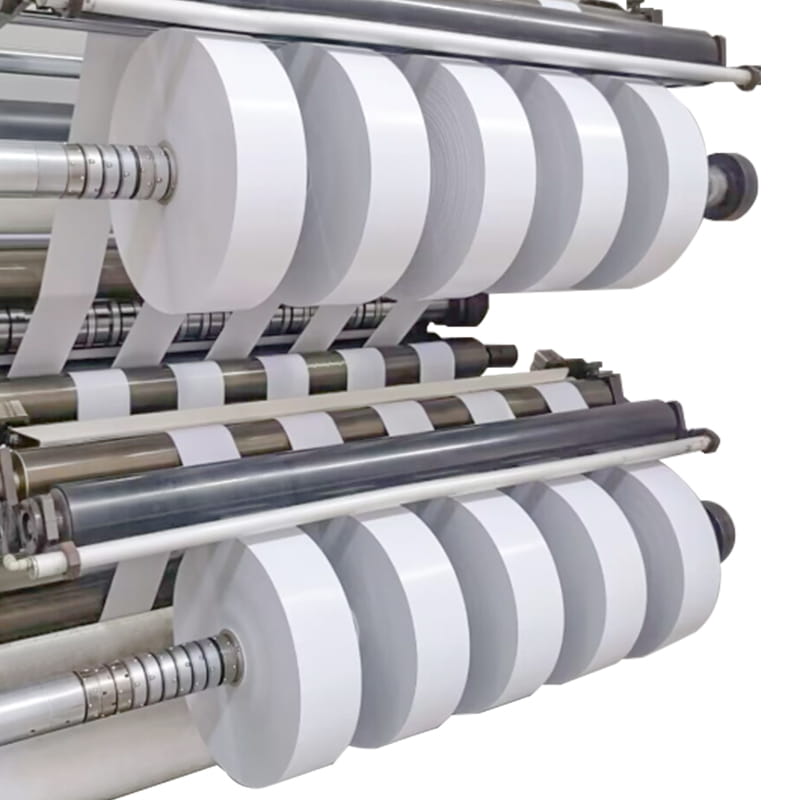
Choosing an adhesive for labels sounds like a small decision until the first pallet comes back with curled edges, or a frozen food pack quietly drops its sticker somewhere between the freezer and the shelf. We have spent more than ten years making self-adhesive paper and film in jumbo rolls for printers and converters, and honestly, most of the technical questions that reach us are really about glue rather than face material. This guide walks through the adhesive families we work with every day, the surfaces they suit, and the small production details that decide whether a label simply sticks or truly stays.
Content
A pressure-sensitive adhesive has to do three jobs at once, and they sometimes pull against each other. It needs enough initial tack to grab a surface as the applicator touches down, enough ultimate adhesion to hold through handling, moisture and temperature swings, and enough internal cohesion that it does not ooze past the edge of the die-cut on a warm day. Add a fourth requirement for many projects: it may need to release cleanly when the label is removed.
When a label fails, the reason is rarely "the glue is bad." More often the adhesive was matched to the wrong face, the wrong surface, the wrong application temperature, or the wrong liner. Understanding the families below makes those mismatches much easier to avoid.
Our catalogue runs across rubber, water-based acrylic, solvent acrylic, hot melt, removable, frozen and UV-cured adhesives, plus grades built for high and low temperature extremes. Each has a personality.
The table below is the shorthand version we use on the phone with converters who need a starting point rather than a full specification. It is a guide, not a rulebook, because coat weight and face material shift the result considerably.
| Adhesive type | Typical applications | Main strength | Points to watch |
|---|---|---|---|
| Water-based acrylic | Food packaging, shipping labels, general retail | Balanced tack and clarity | Limited resistance to solvents and high heat |
| Solvent acrylic | Plastic bottles, outdoor labels, industrial marking | Strong bond on low-energy surfaces | Higher cost, needs careful converting setup |
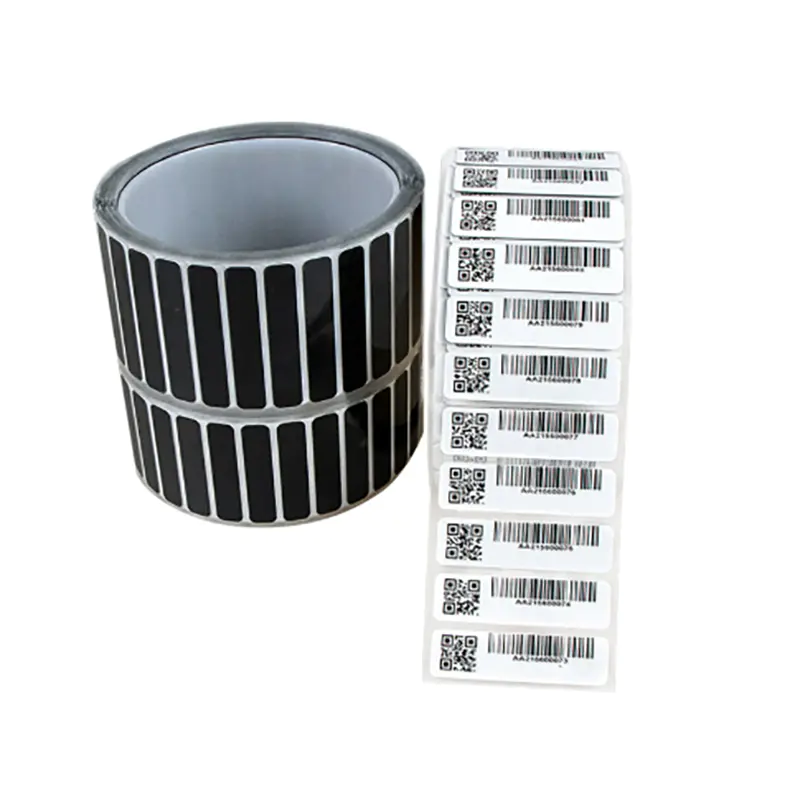
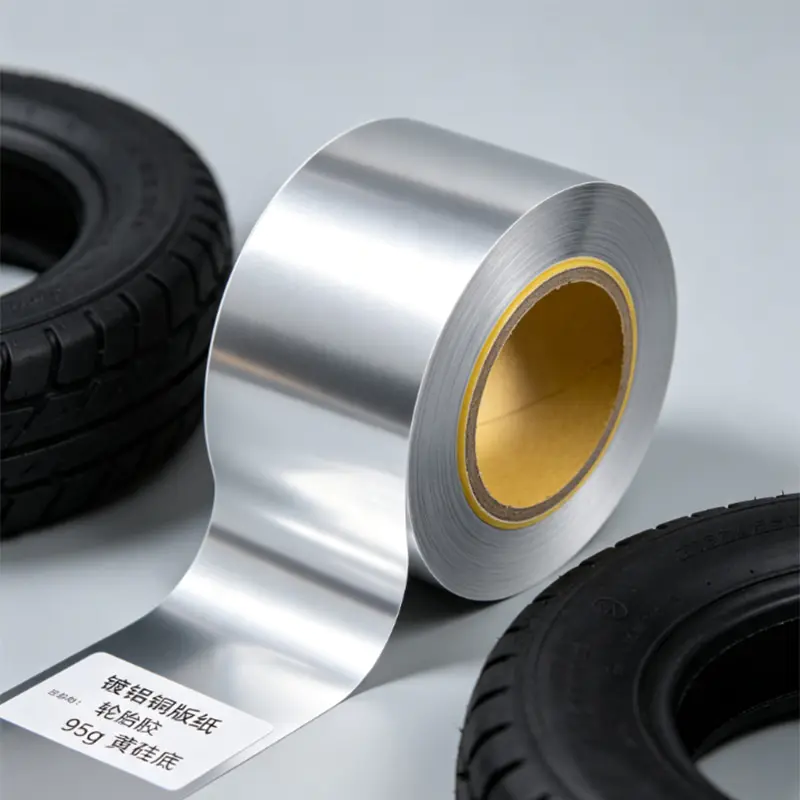
| Rubber-based | Tyre labels, cable marking, rough industrial goods | Very fast initial grab | Weaker against heat, sunlight and ageing |
| Hot melt | Cartons, textiles, high-volume paper labels | Economical with strong hold | Can bleed at elevated storage temperatures |
| UV-cured | Film labels on fast digital and UV inkjet lines | Fast cure, good film performance | Requires controlled curing conditions |
| Removable and frozen | Glassware, textiles, freezer and cold-chain packs | Clean release or cold-weather grip | Narrow operating windows; test before ordering |
The same adhesive can look wonderful on a coated carton and disappointing on a shampoo bottle. Surface energy is the underlying reason: glass and metal are easy to wet out, while PE, PP and powder-coated or slightly oily surfaces resist bonding. Textured or dusty surfaces, such as woven bags or tyres, need a soft, high-tack adhesive that can flow into the profile rather than simply resting on it.
Freezer environments are unforgiving. Application usually happens in a cold room, condensation forms within seconds, and the surface may be a wrinkled vacuum pack rather than a flat carton. A frozen adhesive is formulated to stay soft and tacky at these temperatures, but the face and liner have to cooperate as well, which is why we usually recommend a synthetic PP paper or a thermal synthetic face for these jobs.
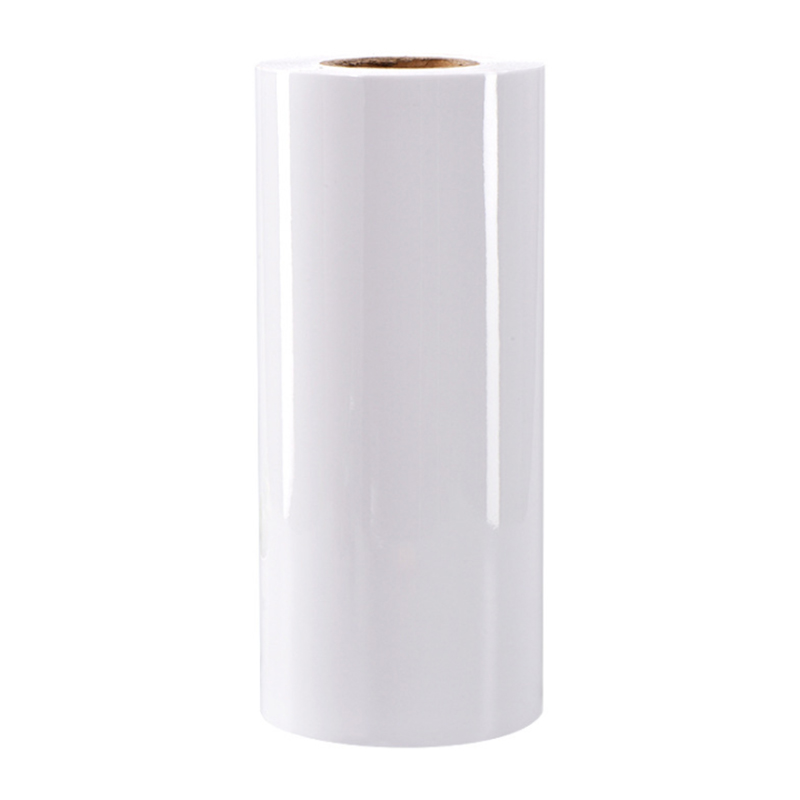
If you are building a cold-storage or ice-cream range, this matt white synthetic PP paper with frozen adhesive is a good reference point for the combination of face, glue and liner that works at low temperature.
 Matt White Synthetic PP Frozen Adhesive Label MaterialReference construction for cold-storage and ice-cream labels, combining matt white synthetic PP, frozen adhesive and glassine liner for low-temperature packs.View Product →
One practical tip from our own production floor: test the label on a cold, damp sample of the actual pack, not on a clean sheet at room temperature. The difference in results is often dramatic.
Removable does not mean weak; it means the adhesive is engineered to fail at the interface instead of tearing the face or leaving a ghost. Promotional labels on glass, temporary identification on returnable crates, textile labels that must peel away without marking the fabric, and wet-wipe packs where the customer lifts a sticker to reseal, all belong in this family.
A typical example from our range is a 36 micron transparent PET film with removable glue on a white glassine liner, which balances clean release with enough adhesion to survive transport and handling.
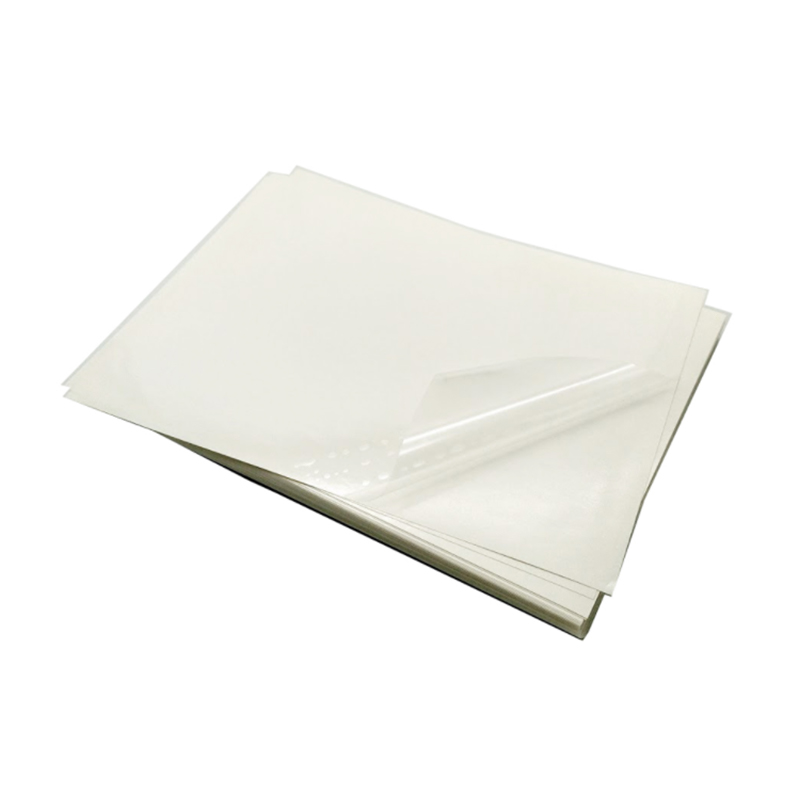 Transparent PET Film with Removable AdhesiveClear removable label material for textile, cosmetic and daily-chemical packs, balancing clean release with enough adhesion through transport and handling.View Product →
Do keep in mind that removable adhesives have a comfortable dwell window. The longer a label sits on a sunlit surface, the harder it becomes to peel, so specify the expected service life up front rather than after the first complaint.
Some surfaces simply fight back: rough moulded plastic, powder-coated metal, woven sacks, battery casings, oil drums. Here, extra coat weight and a more aggressive polymer are the answer, and laminating a stronger adhesive onto a PP face lets you keep a printable, attractive surface while gaining grip underneath.
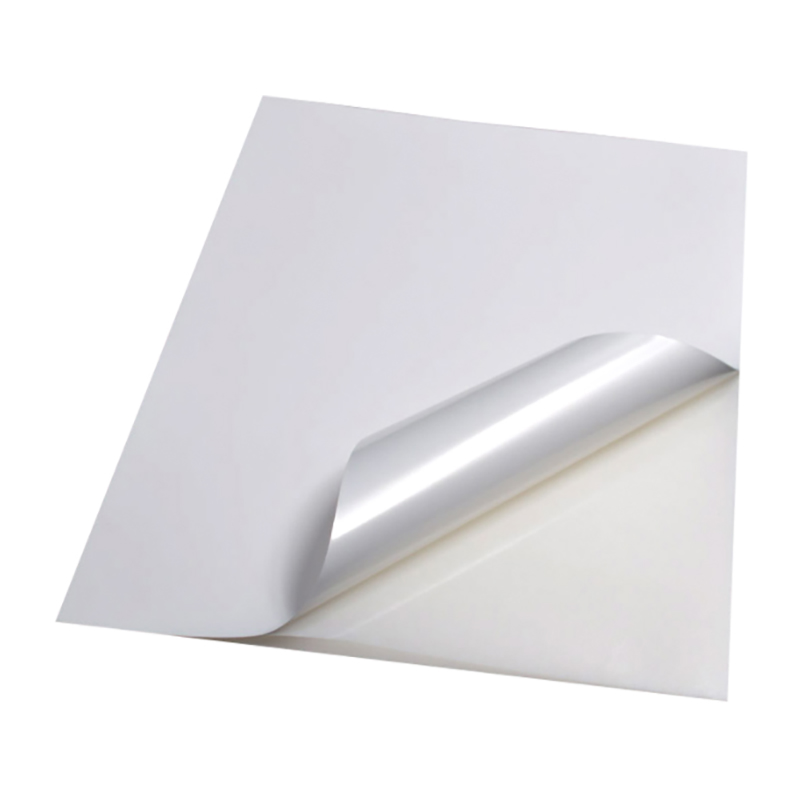
Our strong adhesive white PP laminated with PET film is the kind of construction that suits cosmetic, household and industrial containers where standard tack has not been enough.
 Strong Adhesive White PP Laminated with PET FilmDurable high-tack label construction for cosmetic, household and industrial containers where standard adhesion falls short, with PET protection against moisture and abrasion.View Product →
The trade-off is straightforward: stronger adhesives are less forgiving during converting. Die-cutting, matrix stripping and rewind tension all need attention, and the liner matters more, not less. That is why we usually ask about press speed and die geometry when a converter moves to a high-tack product.
If you would like a broader view of the glue systems we produce, the adhesive range page lists the families and how they combine with faces and liners.
Every project we handle starts with the same simple questions: what is the label going onto, how cold or hot does it get, how long must it stay, and does it ever need to come off? Send us a sample of the surface and the conditions, and we can suggest a face, adhesive and liner combination in jumbo roll form, ready for your press. You can reach our team through the contact page whenever you are ready to talk specifics.
We have a professional R&D team and strong manufacturing capabilities to ensure product quality and delivery while doing a good job in product iteration and innovation.
Address : Building 2. No.111 Xincheng Road, Xitangqiao Street, Haiyan, Jiaxing, Zhejiang Province, China
Phone: +86-150 0573 0249
Tel: + 86-0573-8685 2732
Fax: + 86-0573-8685 2732
E-mail: [email protected]
Copyright© Zhejiang Guanma Packaging Co., Ltd.
 Privacy
OEM Self Adhesive Label Material Manufacturers Waterproof Labels Suppliers Custom Adhesive Label Material Factory