

 English
 русский
 Español
 عربى
عربى
Home / News / Industry News / How to Remove Adhesive Labels and Sticky Residue From Any Household Surface
There is a particular kind of frustration in peeling a sticker off a new glass jar, only to be left with a grey, gummy smear that quietly collects dust for weeks. The good news is that adhesive is not random. It is engineered to behave in predictable ways, and removal becomes predictable too once you understand what you are working with.
We have manufactured self-adhesive label materials for more than ten years, so we see both sides of the problem: adhesives that must hold firmly to a frozen food pack or a tyre, and adhesives that must lift away cleanly from a bottle that will be washed and reused. The methods below are the same ones our own technicians reach for. If you would like the material science first, our team has published a closer look at adhesive label materials that explains how facestock, adhesive, and liner work together.
Content
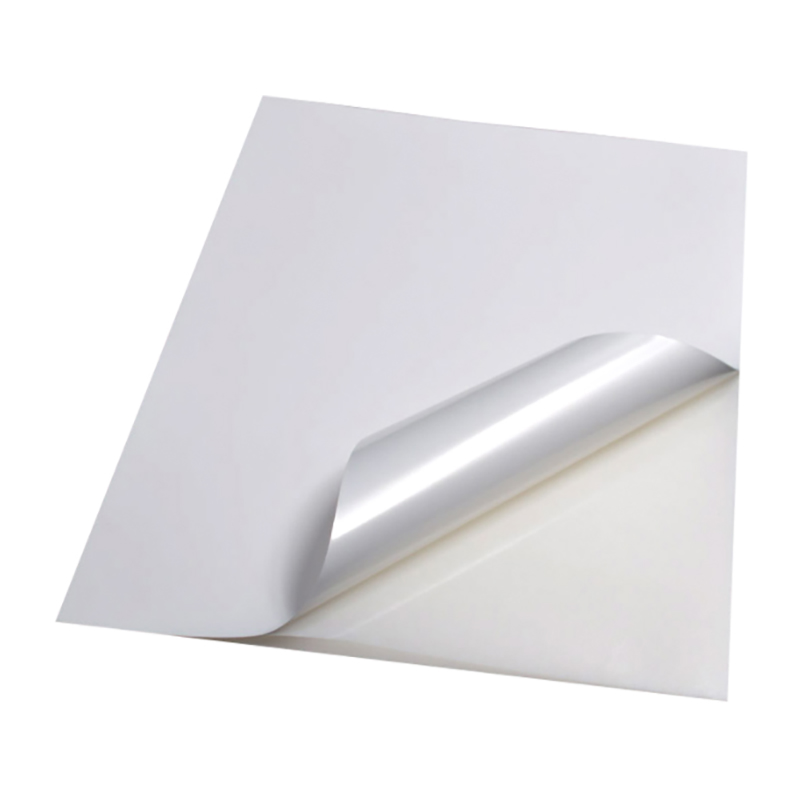
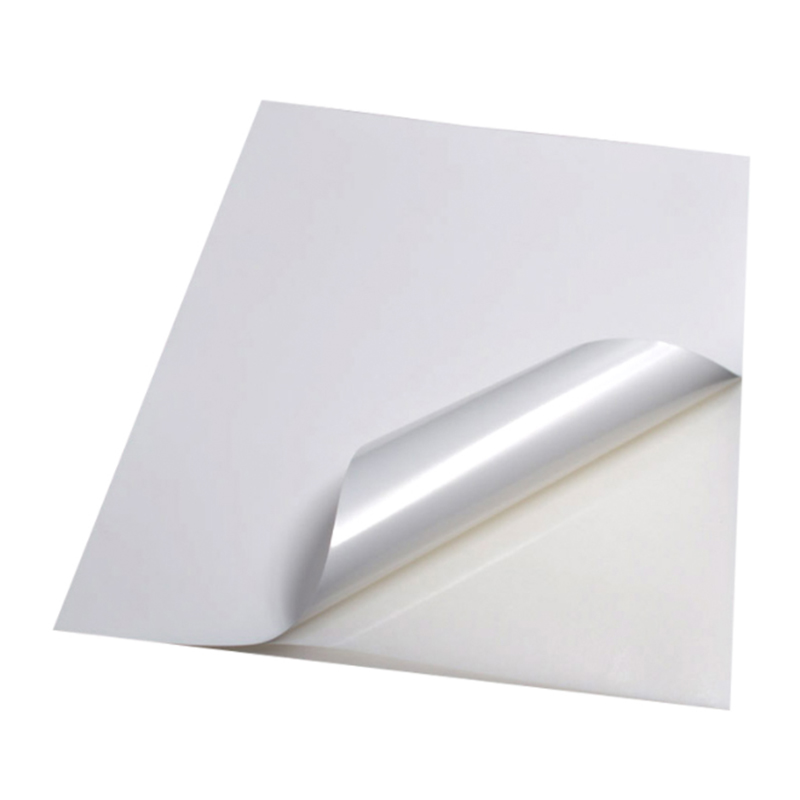
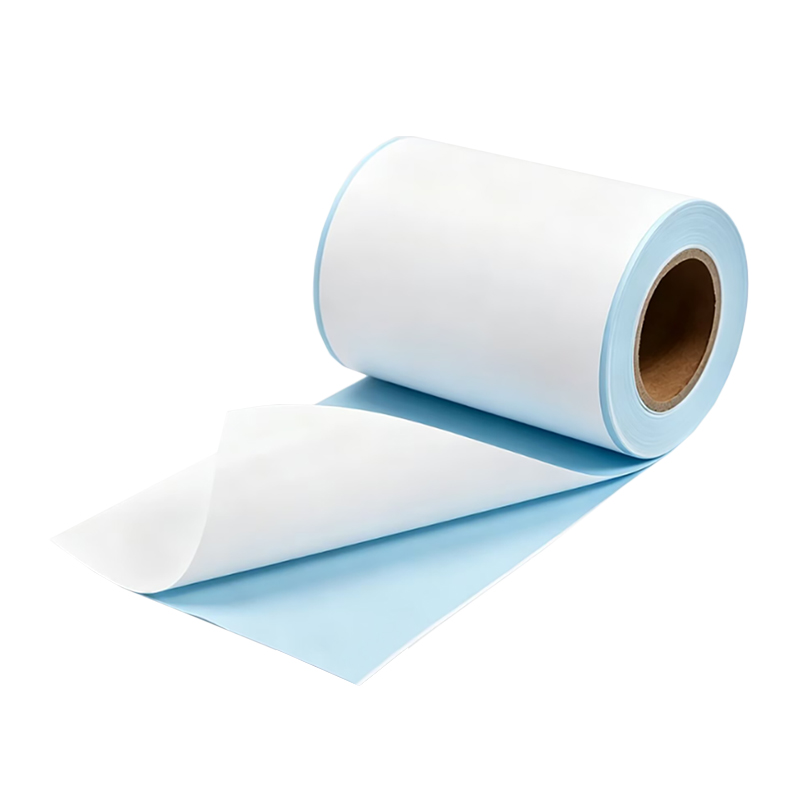
Almost every label you meet in daily life is a pressure-sensitive construction. A permanently tacky adhesive layer sits on a facestock, which may be paper, PP film, or PET film, and is protected by a silicone-coated liner until the moment of application. The adhesive never cures or dries; it simply flows into the microscopic peaks and valleys of the surface and forms a bond.
When you peel that label off, one of three things happens. The adhesive releases cleanly from the surface. The adhesive splits, leaving part of itself behind as residue. Or the facestock tears, leaving paper fibres glued in place. The last two outcomes are extremely common, and neither means the label was defective. It usually means the adhesive was asked to do more than it was designed for.
Before you reach for a solvent, try warmth. Heat is the gentlest tool available and it works on the majority of everyday labels, including those on jars, bottles, and appliance panels.
One caution: do not soak a paper label hoping it will float off. Water swells the paper and weakens it, so the label usually tears into fragments while the adhesive stays exactly where it was.
If heat alone is not enough, the next step is a mild solvent or oil. Let the product sit and do the work; dwell time matters far more than scrubbing.
| Method | Best for | Dwell time | Watch out for |
|---|---|---|---|
| Hair dryer heat | Glass, metal, hard plastic, painted walls | 1 to 2 minutes of heat | Keep the nozzle moving; thin plastics can warp |
| Warm soapy water | Glass jars, ceramic, dishes | 15 to 20 minutes | Paper labels tear and leave fibres behind |
| Rubbing alcohol | Glass, metal, sealed ceramics | 2 to 5 minutes | Can dull some plastics and painted finishes |
| White vinegar | Glass, ceramic, dishes | 15 minutes | Slow on aggressive rubber-based adhesives |
| Cooking or baby oil | Plastic, metal, painted wood | 10 to 20 minutes | Leaves an oily film that needs soap afterwards |
| Baking soda paste | Glass, ceramic | 5 to 10 minutes | Mildly abrasive; test on soft plastics first |
| Citrus-based remover | Most hard, non-porous surfaces | 2 to 5 minutes | Ventilate the room; test on clear plastics |
Whatever you choose, test it on an inconspicuous area first, especially on clear plastics, painted finishes, and anything printed. Apply, wait, then wipe gently. Most residue comes away on the second or third pass, not the first.
The same adhesive behaves very differently depending on what it is stuck to, so it pays to adjust the method to the material.
This is the easiest group to work with. Vinegar, rubbing alcohol, and warm soapy water all perform well, and a plastic scraper or a razor blade held at a shallow angle will lift even stubborn residue without scratching the surface. Wipe with clean water afterwards so no solvent film remains.
Be gentler here. Acetone-based nail polish remover will permanently cloud acrylic and many clear plastics, and alcohol can leave some grades looking hazy. Warm water, cooking oil, and a plastic scraper are the safest combination, followed by a soapy wash.
Heat is the only tool worth risking, because solvents can lift the paint and oils will stain drywall. Warm the label thoroughly, peel back slowly at a low angle, then press the sticky side of the label onto any leftover residue to lift it away.
Chill the item in the freezer for half an hour so the adhesive becomes brittle, pick off what you can, then dab the spot with rubbing alcohol before laundering as usual. Heat applied first can drive the adhesive deeper into the fibres.
Everything above is about solving a problem after it happens. The alternative is to choose a label that is designed to come off. Removable adhesives are formulated differently from permanent ones: they hold a lower tack and a carefully balanced ratio of adhesion to cohesion, so the bond releases at the interface instead of splitting inside the adhesive layer.
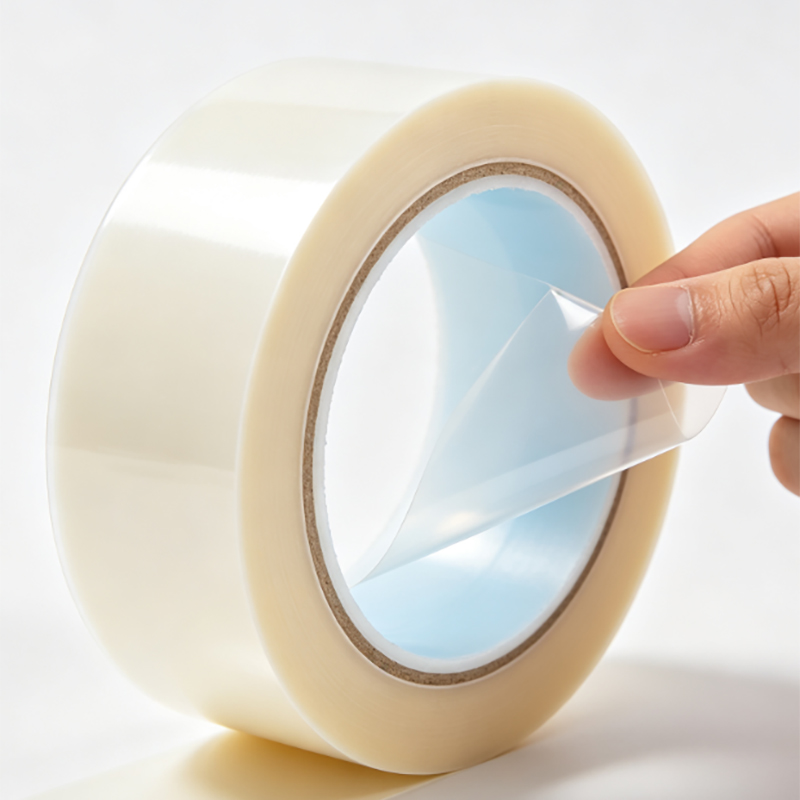
That matters most where containers are reused, where a label is only needed during transport, or where a surface must stay pristine. A good example is a 36 micron transparent PET film built with a removable glue on a 60 g white glassine liner, which lifts away with very little residue even after several months of storage.
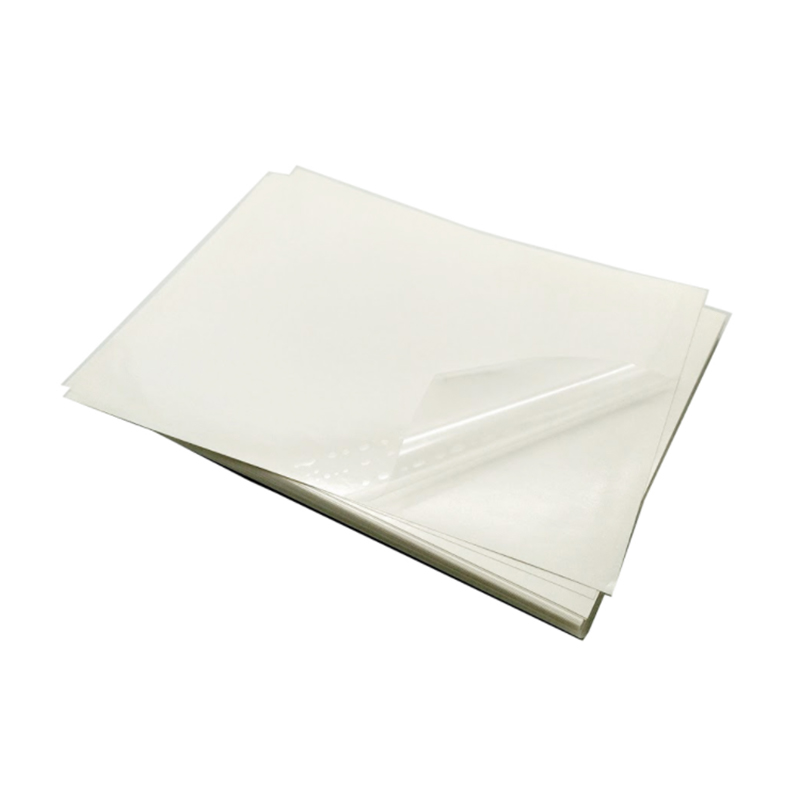 36um Transparent PET Film / Removable Glue /60g White Glassine LinerThe transparent PET film can be printed on or left clear with the removable glue providing light powerful adhesion to various surfaces. The glassine liner would serve ...View Product →
Wet wipes packs, cosmetic bottles, and food containers are a good illustration of labels living in a hard environment: moisture, oils, and constant handling. When those labels are removed for recycling or reuse, a permanent adhesive can leave a smear that is almost impossible to clean without solvent.
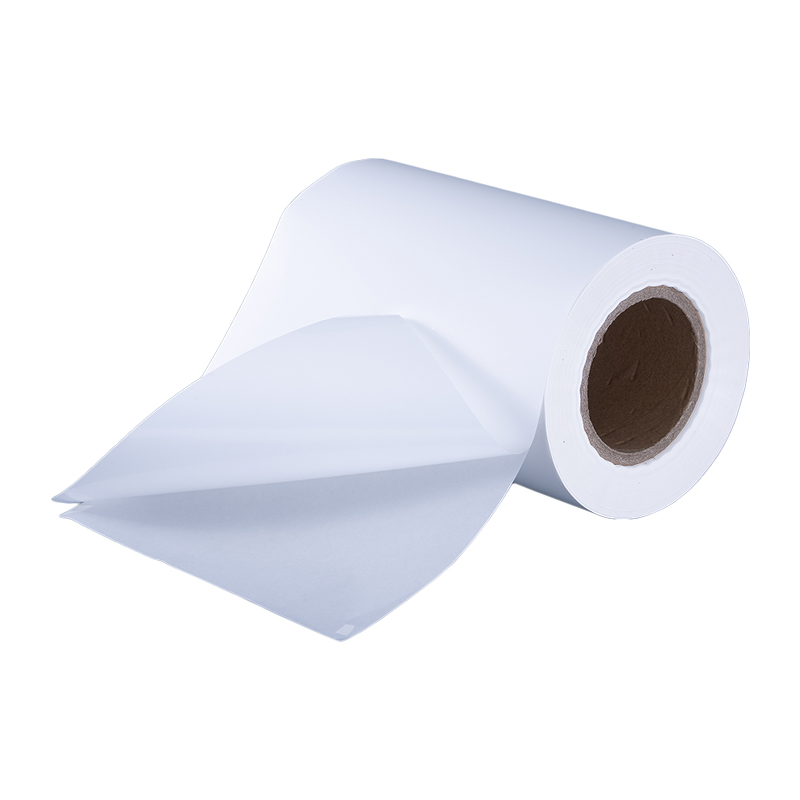
For this kind of packaging we commonly supply transparent PP film label materials built with removable adhesive, delivered in jumbo rolls for converters and printers.
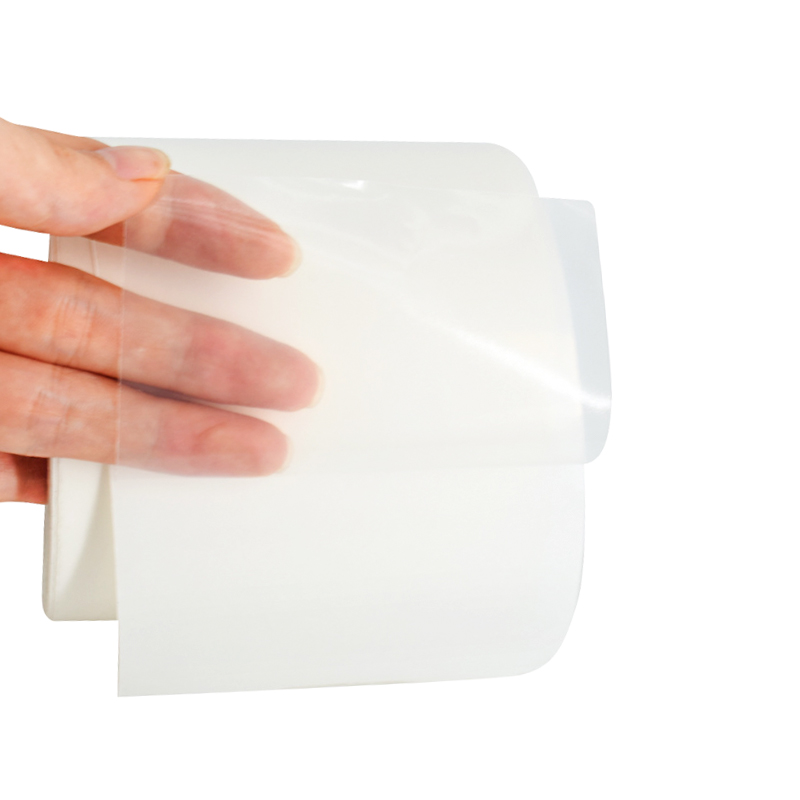 Removable 80um Transparent PP Film80um transparent PP film / removable adhesive /60g white glassine linerView Product →
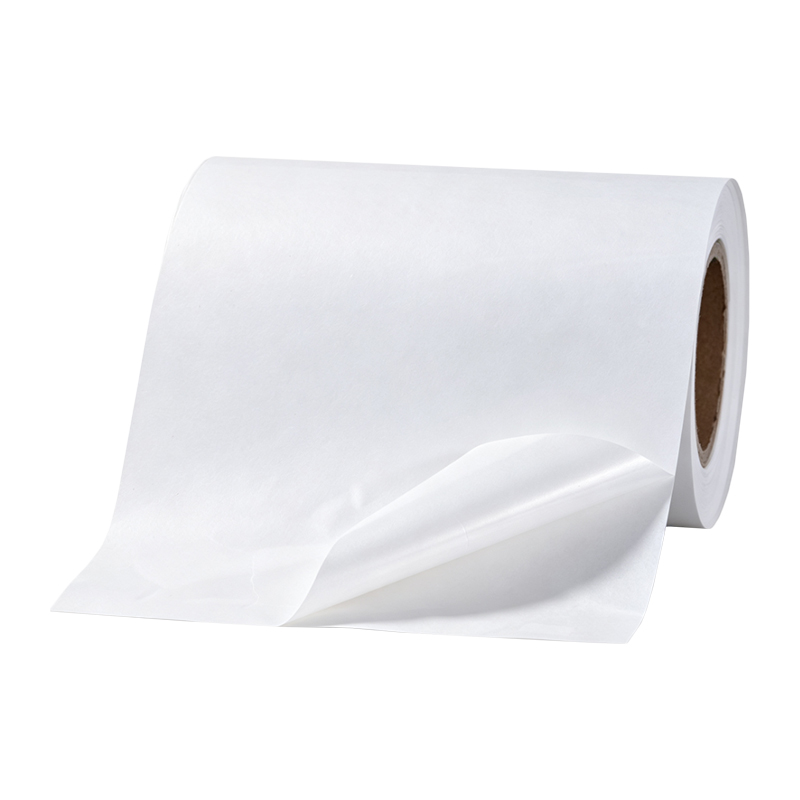
Many people searching for removal tips are also printing their own labels on a desktop inkjet or laser printer, and the material choice makes a real difference both to print quality and to how the label behaves later. A semi-gloss inkjet paper with a coated surface accepts ink cleanly, dries quickly, and is far less likely to tear into fragments when you eventually peel it off.
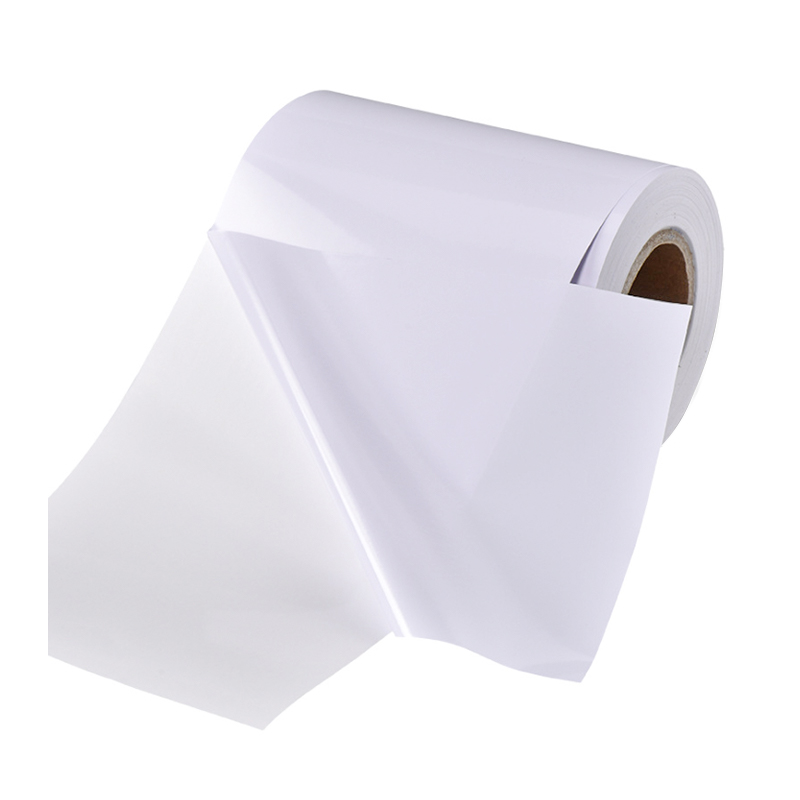 Semi Gloss Inkjet PaperHigh gloss paper (inkjet print )/ hotmelt glue /60g white glassine linerView Product →
Keep the same principle in mind when you apply them: press firmly onto a clean, dry surface, and if you know the label will need to come off, ask your supplier for a removable adhesive grade rather than a permanent one.
Removing an adhesive label is rarely about strength. It is about patience and matching the method to the surface: warm the label, peel it back slowly, let a solvent or oil do the hard work, and finish with soap and water.
We are Zhejiang Guanma Packaging Co., Ltd., a manufacturer of self-adhesive paper and film label materials based in Jiaxing, close to Shanghai. If you are choosing materials for packaging that has to peel cleanly, or you simply want advice on which adhesive type suits your application, please get in touch with our team.
We have a professional R&D team and strong manufacturing capabilities to ensure product quality and delivery while doing a good job in product iteration and innovation.
Address : Building 2. No.111 Xincheng Road, Xitangqiao Street, Haiyan, Jiaxing, Zhejiang Province, China
Phone: +86-150 0573 0249
Tel: + 86-0573-8685 2732
Fax: + 86-0573-8685 2732
E-mail: [email protected]
Copyright© Zhejiang Guanma Packaging Co., Ltd.
 Privacy
OEM Self Adhesive Label Material Manufacturers Waterproof Labels Suppliers Custom Adhesive Label Material Factory