Adhesive labels are easy to overlook and almost impossible to replace. They carry batch codes, dosage warnings, shipping addresses and brand promises, and they do it at press speeds measured in hundreds of metres per minute. As a manufacturer of self-adhesive paper and film supplied in jumbo rolls, we spend our working days thinking about the thin layers that make all of it possible.
This article looks at the market from a materials perspective. It covers how demand is segmented, which adhesive and facestock combinations sit behind that demand, and what converters should weigh when specifying a laminate. It is written for the people who buy, print and convert label stock, not for the people who model it.
Content
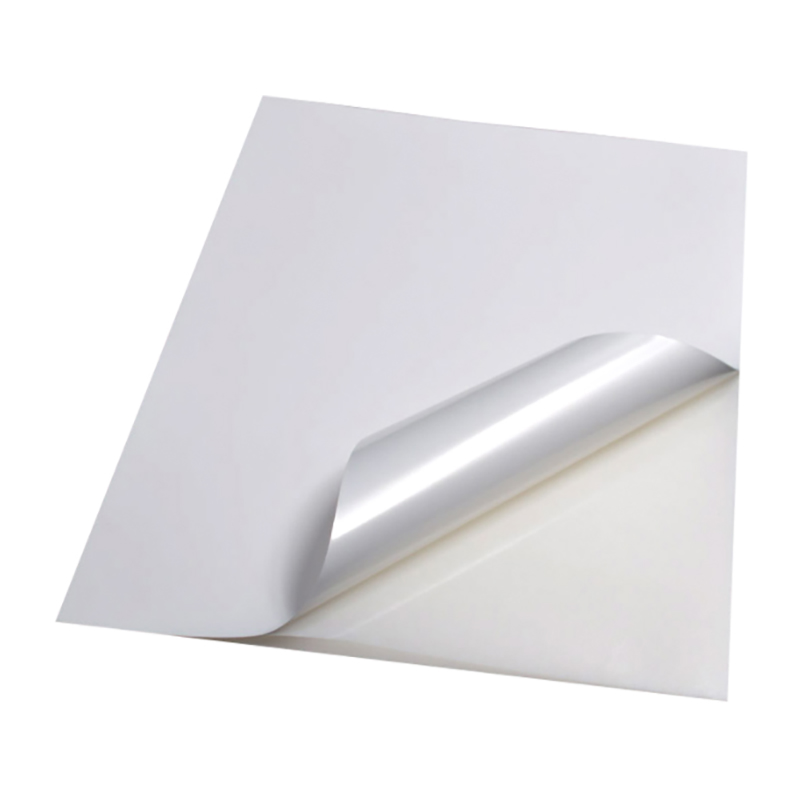
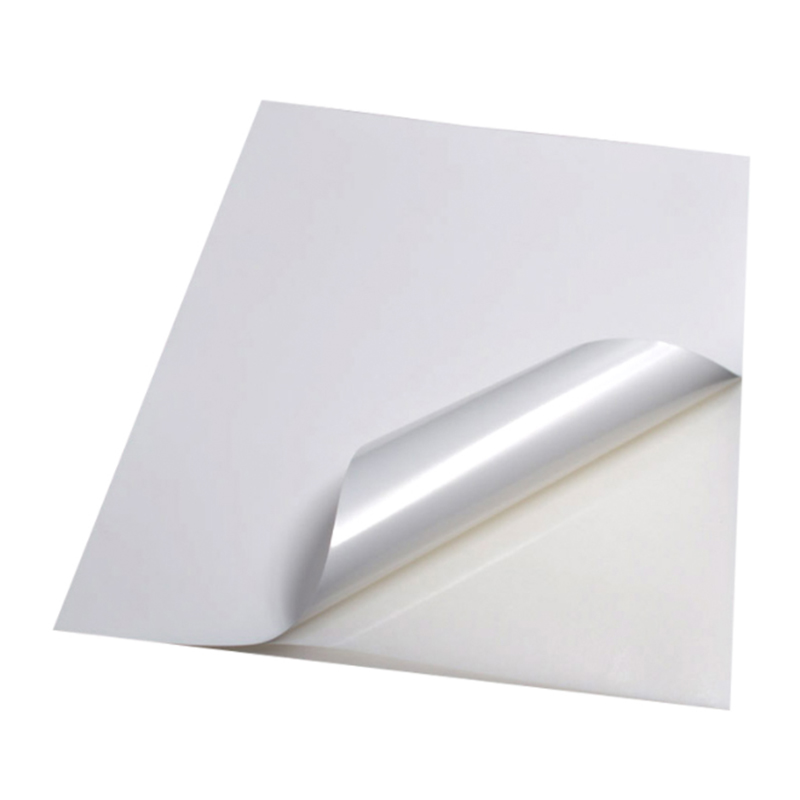
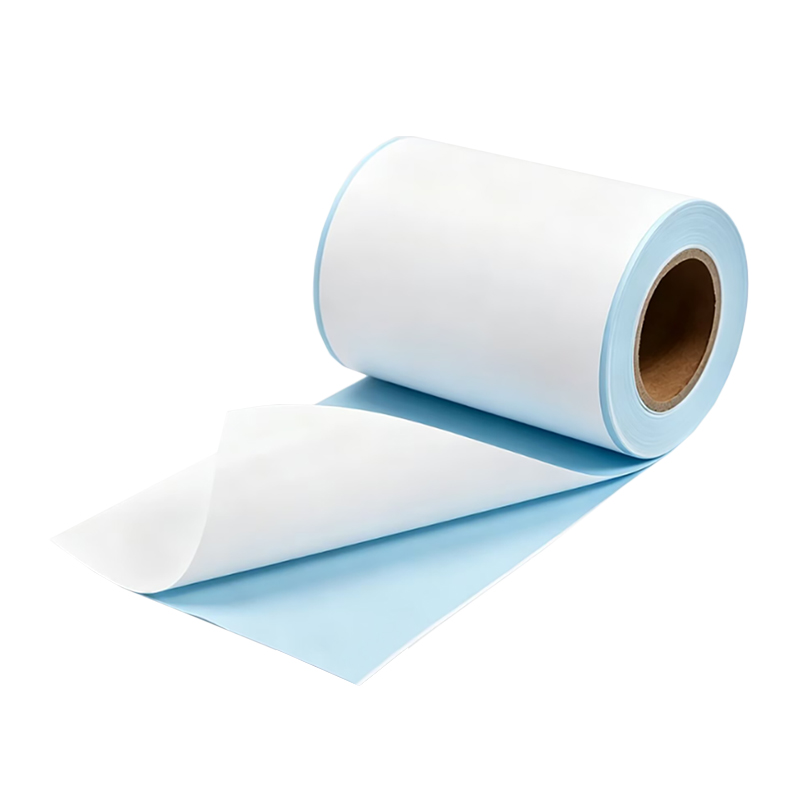
A self-adhesive label is not a single product but a laminate of at least three components: a facestock that carries the print, an adhesive that bonds it to the surface, and a release liner that protects the adhesive until application. Market reports slice that construction in several ways, and knowing which slice a figure refers to saves a great deal of confusion.
For a converter, the useful question is rarely the size of the headline number. It is which segments are absorbing volume and which material specifications those segments actually require, month after month, at a stable price.
Two laminates can use an identical facestock and behave completely differently on a customer line simply because the adhesive was changed. That is why adhesive chemistry deserves more attention than it usually receives in market commentary.
Water-based acrylic adhesives dominate general-purpose paper and film work. They are cost-effective, cope well with paper and many plastics, and align neatly with the regulatory preference for solvent-free chemistry in consumer packaging. Solvent acrylics step in when the requirement rises: oily or slightly contaminated surfaces, higher service temperatures, and films that need a clean, optically clear bond.
Hot melt adhesives support the high-speed automated lines that increasingly define the market. They deliver strong immediate tack, which matters both for fast application and for awkward substrates such as recycled board or textured plastic.
Freezer adhesives stay bonded at temperatures where ordinary grades turn brittle. Removable grades allow a label to lift cleanly from glass, textiles or wipes packaging. UV-cured adhesives add processing speed without adding heat. The list keeps growing because the applications keep diversifying, and taking a closer look at adhesive label materials is often what separates a complaint from a repeat order.
Facestock selection follows the surface, the environment and the print method. Paper remains the workhorse for dry, short-to-medium-life applications, while films take over wherever moisture, oil, abrasion or sunlight is involved.
| Facestock | Typical thickness or grammage | Common adhesive pairing | Typical applications |
|---|---|---|---|
| Glossy white PP film | 50-80 micron | Permanent, removable, freezer | Bottles, wet wipes, household and personal care |
| Matt or synthetic PP | 60-100 micron | Water-based acrylic, hot melt | Frozen food, outdoor signage, inkjet printing |
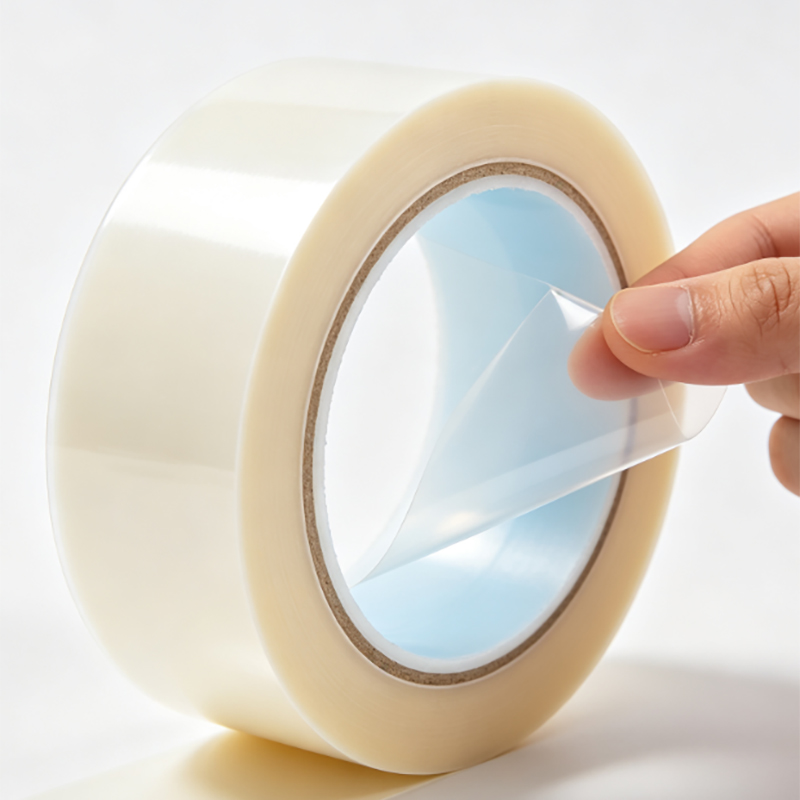
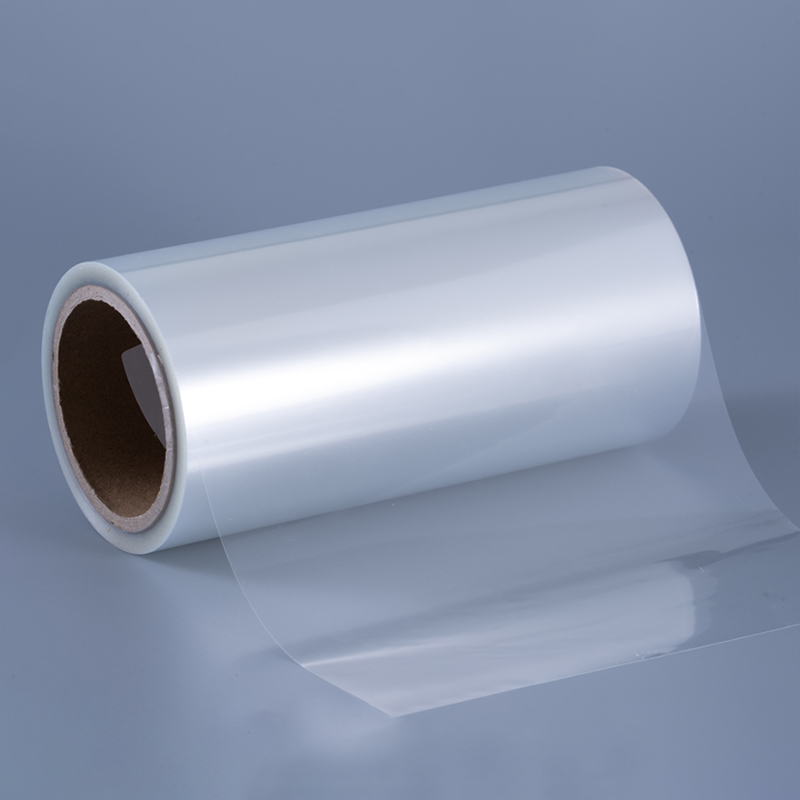
| Transparent PET film | 25-50 micron | Solvent acrylic, UV, removable | Textiles, cosmetics, durable goods |
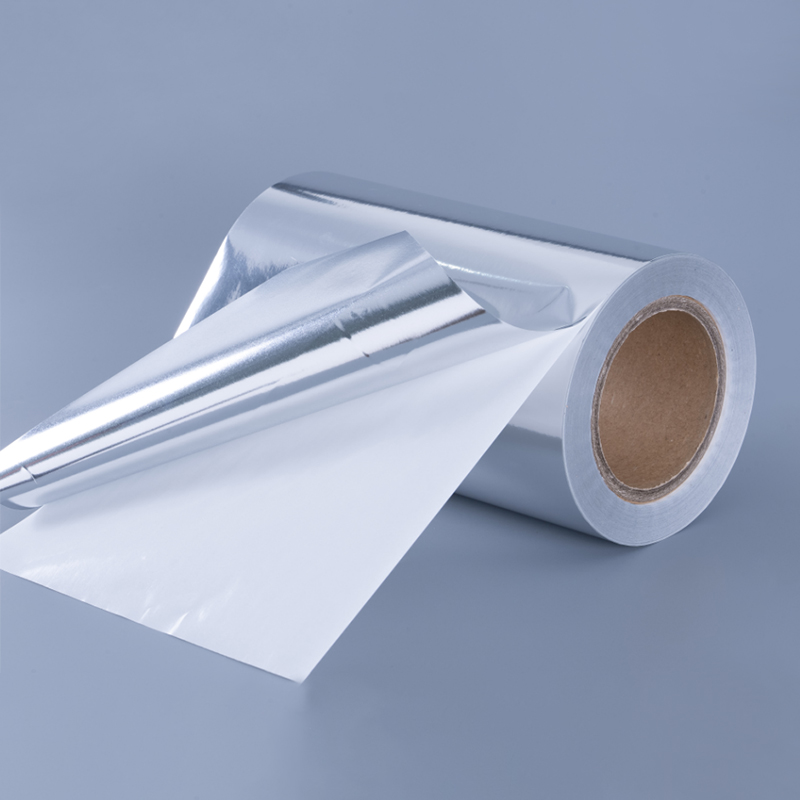
| White, silver or aluminised PET | 25-50 micron | Strong solvent and rubber grades | Cable, tyre, battery, industrial marking |
| Woodfree or kraft paper | 70-85 gsm | Water-based acrylic | Logistics, general packaging, retail |
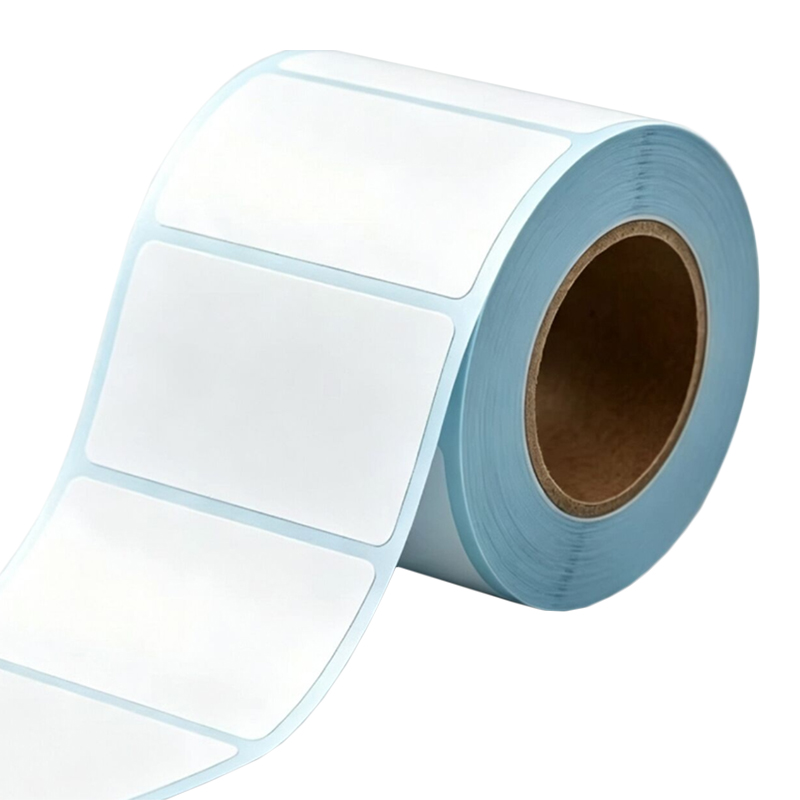
| Thermal paper | 70-75 gsm | Acrylic and freezer grades | Shipping labels, cold storage, shelf marking |
Thickness and liner choices matter as much as the material family. A 50-micron glossy white PP and a 60-micron version may both run on the same press, yet they behave differently on curved surfaces. The liner, whether white glassine, yellow glassine or PET film, influences die-cutting, dispensing accuracy and the total weight of every roll you handle.
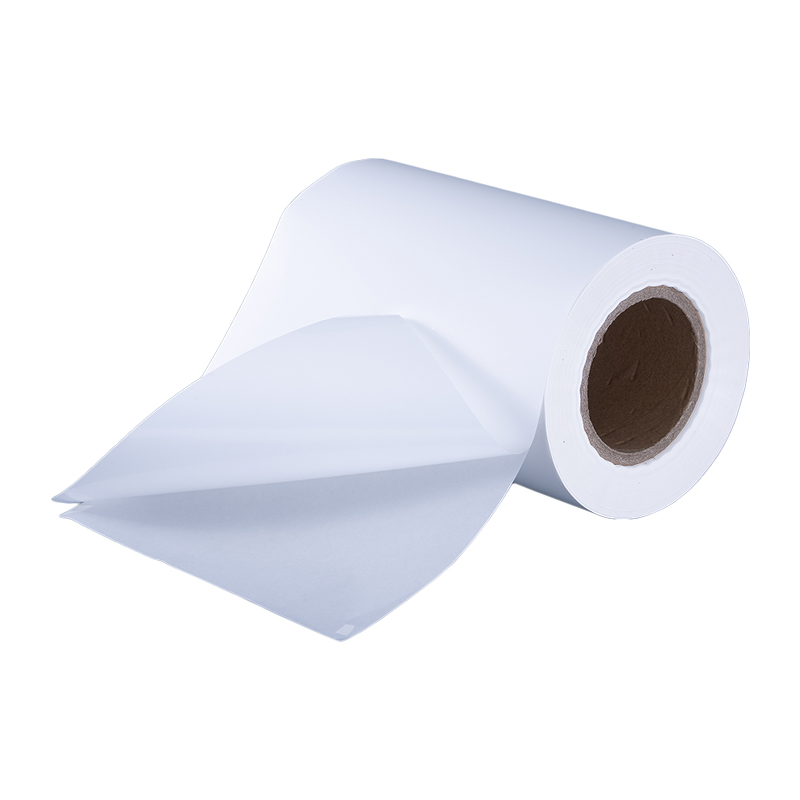
For bottles and household goods, PP film is usually our first recommendation, because a bright waterproof surface and good conformability matter more there than extreme temperature resistance.
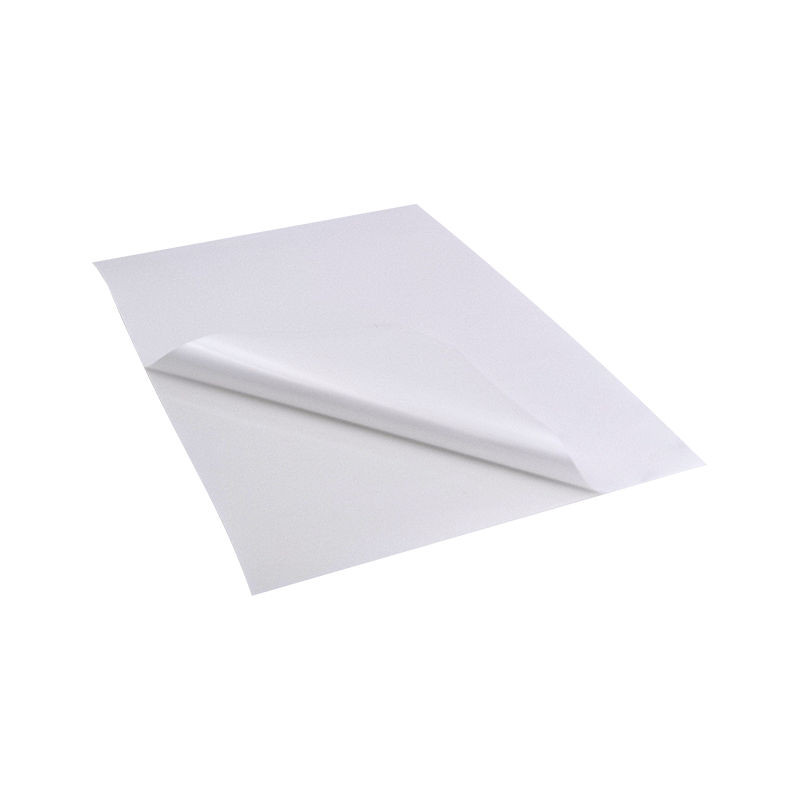 60um Bright White PP Label MaterialThe 60μm bright white polypropylene (PP) label material is a versatile and durable substrate commonly used in labeling applications. With a thickness of 60 micrometers...View Product →
The applications pulling material through the market are not evenly distributed, and each one asks for a slightly different laminate.
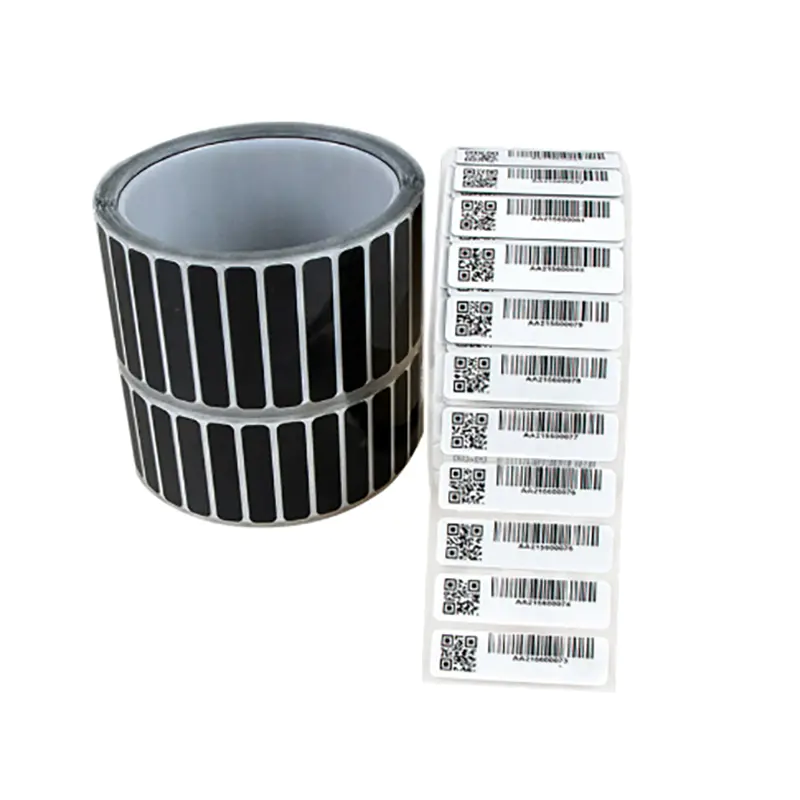
Parcel volumes continue to push thermal and thermal synthetic materials, where fast print, smudge resistance and reliable adhesion to cartons and poly mailers matter more than decoration.
Chilled and frozen packaging is one of the most demanding environments for any adhesive. Labels must survive condensation, repeated temperature swings and handling straight out of a freezer cabinet without lifting at the edges.
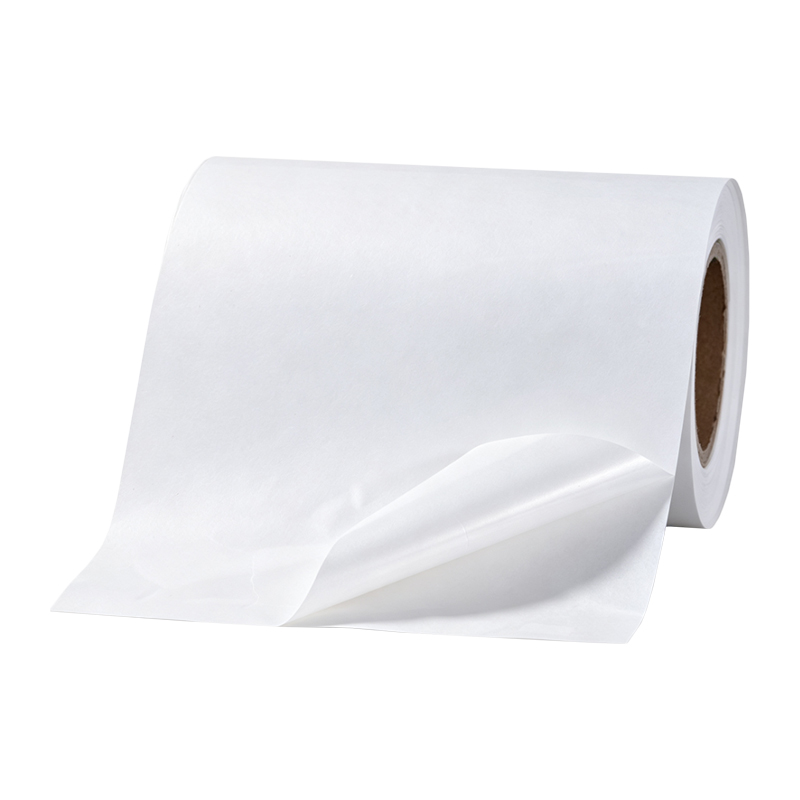
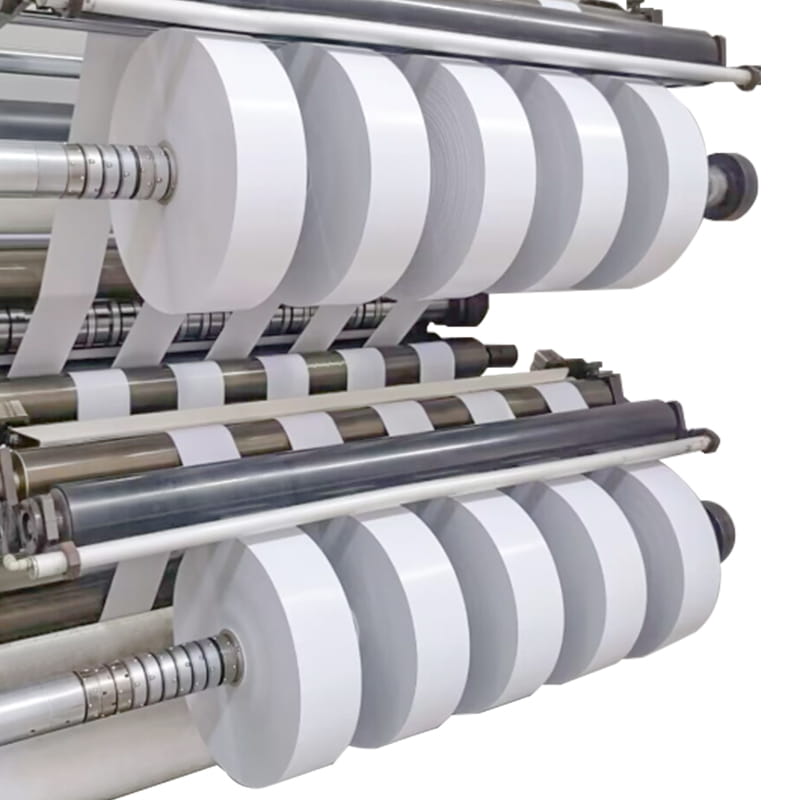 Matt White Synthetic PP Adhesive PaperMatt white synthetic paper / frozen glue /60g white glassine linerView Product →
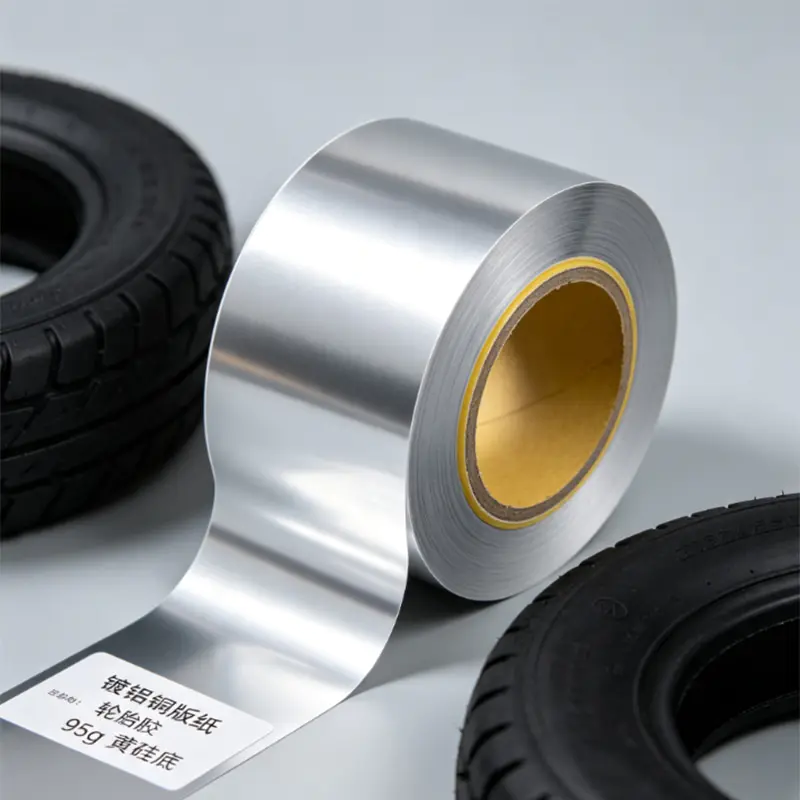
Cable, tyre, battery and equipment labels are expected to last for years outdoors or under the bonnet. Here PET facestocks paired with strong solvent or rubber adhesives, and often a glassine or film liner, do the heavy lifting.
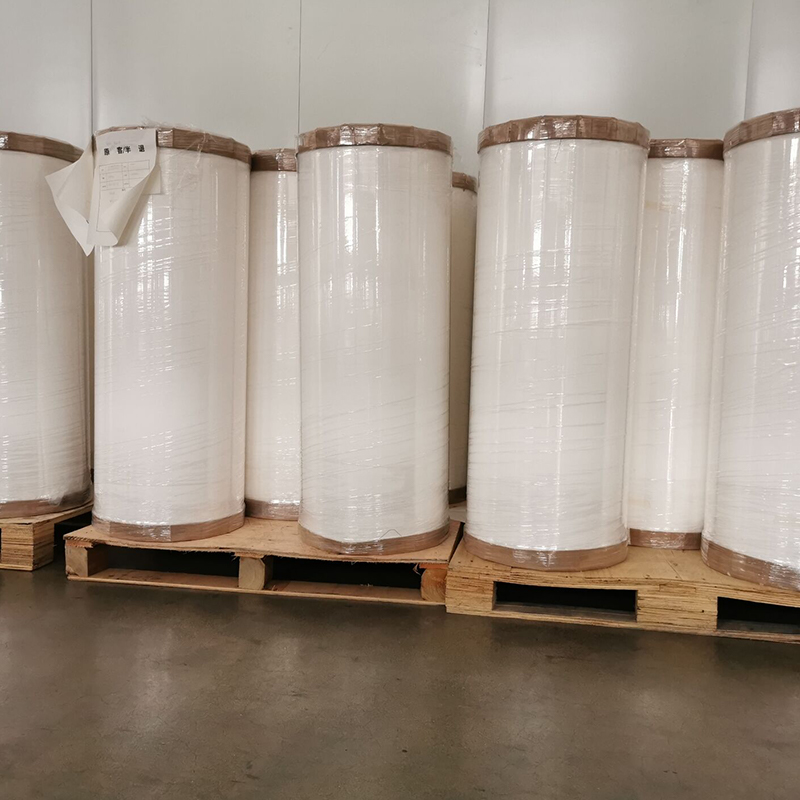 25um Bright White PET /Acrylic Solvent adhesive /80g White LinerThe base material of the label is polyethylene terephthalate (PET), a type of polyester. The PET film is 25 micrometers (um) thick and is bright white in color. PET is...View Product →
Sterilisation labels, blood bag identification, medical tape raw materials and cosmetic decoration all sit at the higher end of the specification range, where cleanliness, chemical resistance and consistent converting behaviour are non-negotiable.
Asia-Pacific carries the largest share of consumption, and it is also where capacity is being added fastest, from film extrusion through coating and slitting. That combination keeps supply competitive and shortens lead times for buyers sourcing within the region.
Europe and North America are growing more slowly in volume but steadily in specification. Liner recycling programmes, mono-material packaging design, VOC limits and the phase-down of PVC chemistry are shifting purchasing decisions towards water-based systems and away from difficult-to-recycle constructions.
Emerging markets in Southeast Asia, the Middle East and South America are building out converting capacity, which increases demand for jumbo roll material rather than finished labels. Working from Jiaxing in Zhejiang, close to Shanghai and its port network, we ship to converters and distributors across all of these regions.
Material specifications are only half of the purchasing decision. The other half is whether your supplier can hold that specification over thousands of metres and repeat it next quarter. In our experience, these are the points worth checking before placing a first order.
If you are specifying a new laminate or replacing one that has underperformed, simply send us your label specification and our team will come back with a material recommendation and samples.
The self-adhesive labels market will keep growing at a healthy but unspectacular pace, and the interesting movement will continue to happen below the headline figures, in adhesive grades, facestock thicknesses and functional coatings. For converters and brand owners, that is good news: the material toolkit is wider than it has ever been, and a well-chosen laminate solves problems that no amount of press tuning can fix.
We have spent over ten years producing self-adhesive paper and film for exactly that reason. If you would like to talk through a specification, a climate challenge or a stubborn substrate, our door is open.
We have a professional R&D team and strong manufacturing capabilities to ensure product quality and delivery while doing a good job in product iteration and innovation.
Address : Building 2. No.111 Xincheng Road, Xitangqiao Street, Haiyan, Jiaxing, Zhejiang Province, China
Phone: +86-150 0573 0249
Tel: + 86-0573-8685 2732
Fax: + 86-0573-8685 2732
E-mail: [email protected]
Copyright© Zhejiang Guanma Packaging Co., Ltd.
 Privacy
OEM Self Adhesive Label Material Manufacturers Waterproof Labels Suppliers Custom Adhesive Label Material Factory


 English
 русский
 Español
 عربى
عربى