

 English
 русский
 Español
 عربى
عربى
Home / News / Industry News / Adhesive Address Labels: How to Choose the Right Material and Adhesive
An adhesive address label is one of those everyday products nobody notices until it fails. When a parcel arrives with a smudged barcode, a paper corner curling away from the carton, or a label that has slipped somewhere along the cold chain, someone in the warehouse has to fix it by hand. We have been manufacturing self-adhesive label materials — the face stock, adhesive and liner combinations that printers convert into finished labels — for more than ten years, and most address label failures trace back to a material decision made long before the label was printed.
This guide explains how an adhesive address label is built, what each layer contributes, and how to match the material to the printer, the surface and the journey the parcel will take.
Content
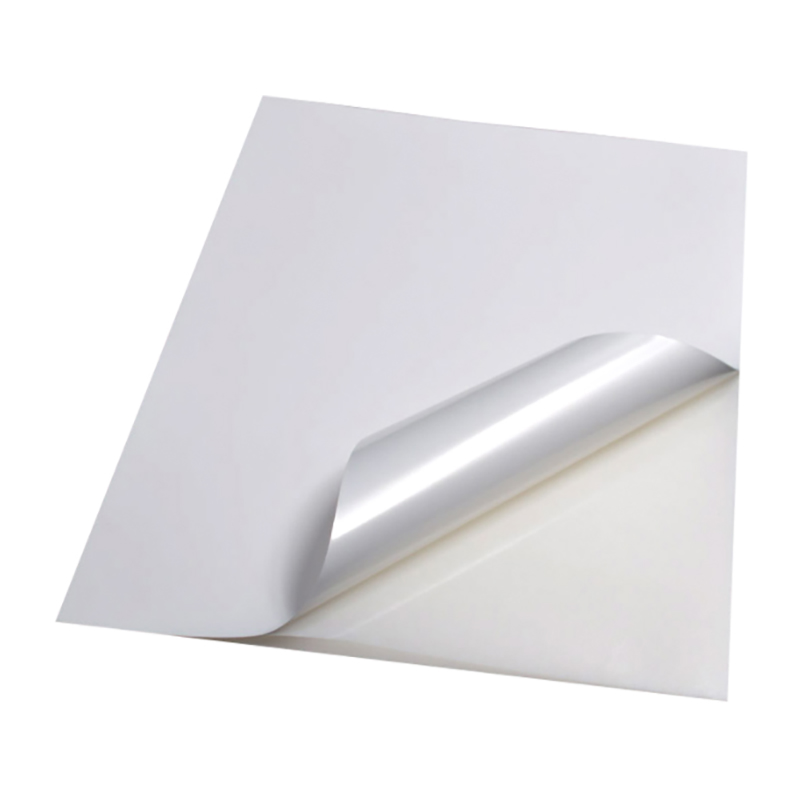
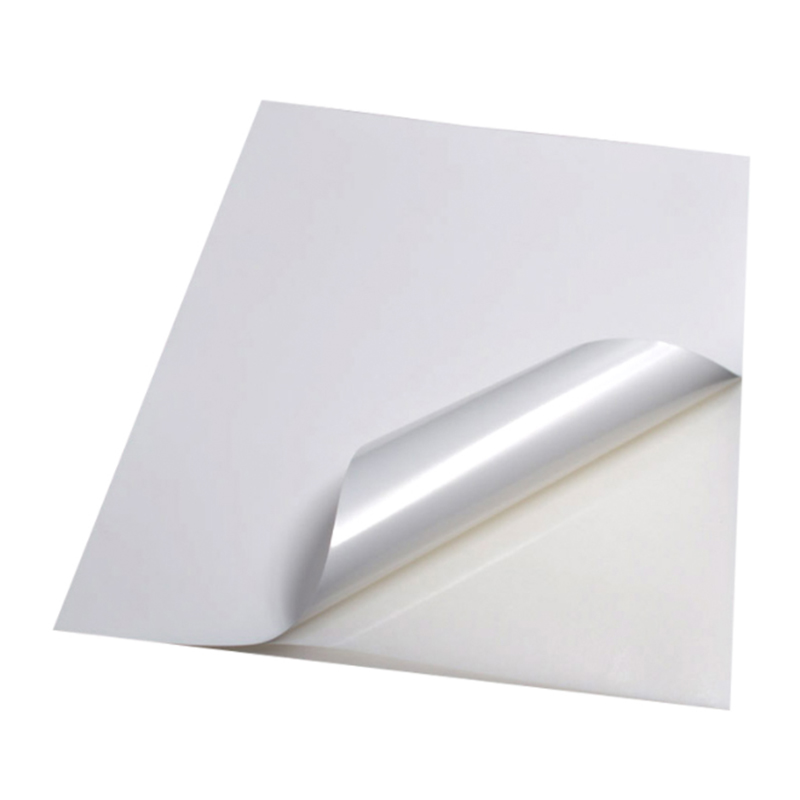
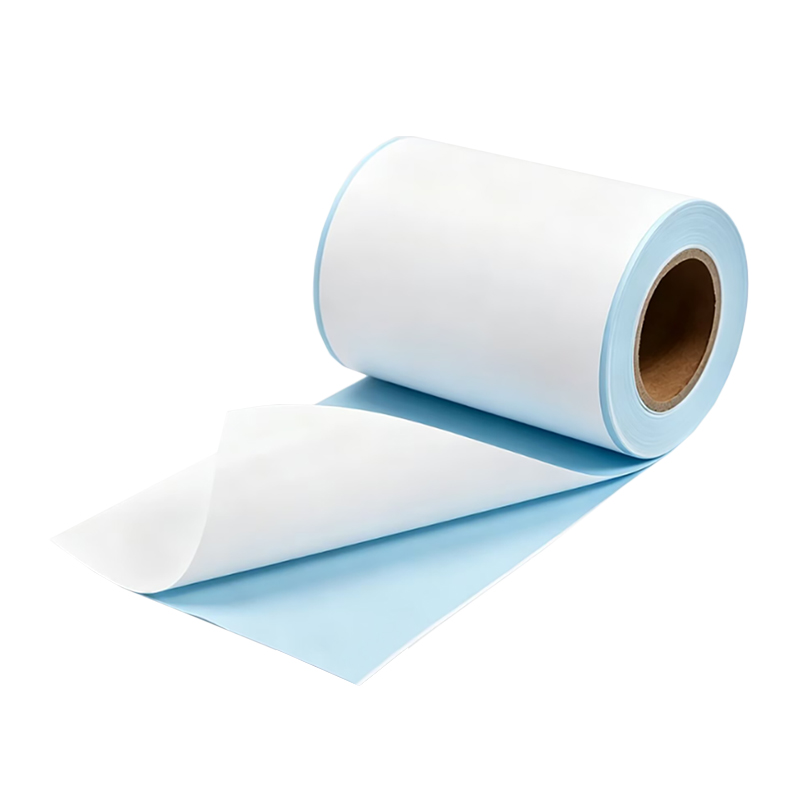
Every pressure-sensitive label is a sandwich. The face stock is the printable surface that carries the address and barcode. The adhesive bonds that surface to the package. The release liner protects the adhesive until the moment of application. Change any one of the three and you change how the label prints, how firmly it sticks and how long it survives.
| Layer | What it does | Typical options |
|---|---|---|
| Face stock | Carries the printed address, barcode and any handling marks | Woodfree paper, thermal paper, kraft paper, PP film, PET film, synthetic paper |
| Adhesive | Bonds the face stock to the package surface | Water-based acrylic, solvent acrylic, hot melt rubber, removable, frozen |
| Release liner | Protects the adhesive until dispensing and application | White glassine, yellow glassine, PET liner |
In practice the choice usually starts with the face stock, because that is what the printer sees, and then moves to the adhesive, because that is what the package sees.
Most address labels are still paper, and for good reason: paper is economical, prints cleanly on every common press and die-cuts predictably at high speed.
Woodfree paper is the classic choice for flexo, offset and laser-printed addresses, typically at 70 gsm or 80 gsm. It takes ink well, accepts handwriting and stamps, and suits labels applied to paperboard cartons and envelopes. Thermal paper is the workhorse of courier and logistics labelling: a top-coated grade produces a sharp, dark image straight from the print head, with no ribbon required. Kraft paper, rougher and warmer in tone, is often selected for a more natural look on recycled packaging.
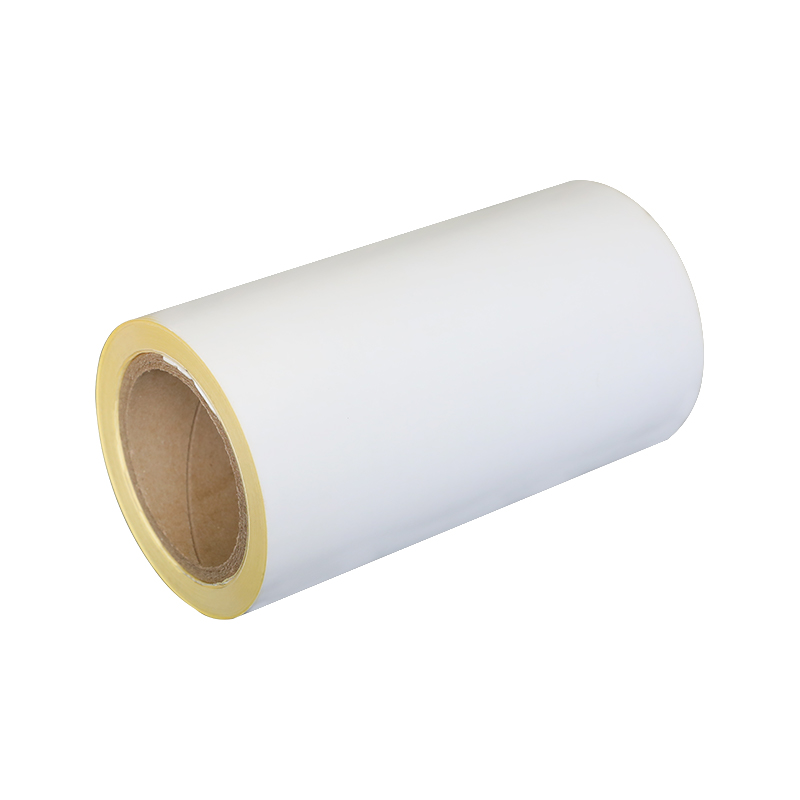 Matt White Woodfree Paper Label Material for Plastic Bags and BottlesUncoated 80um matt white woodfree face with reinforced hot melt adhesive and yellow glassine liner, suited to plastic bags and bottles needing stronger bonding.View Product →
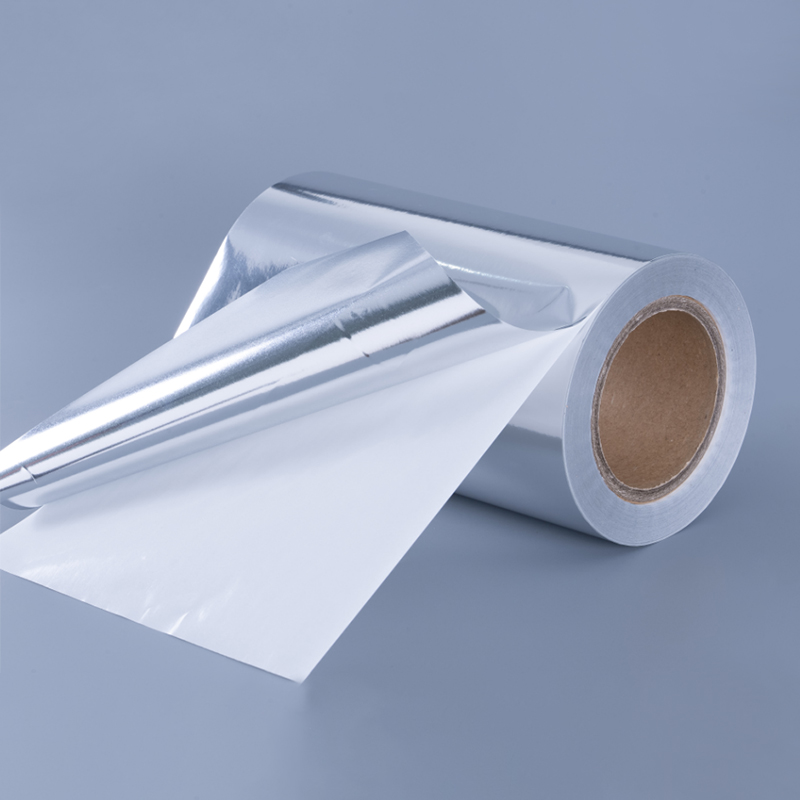
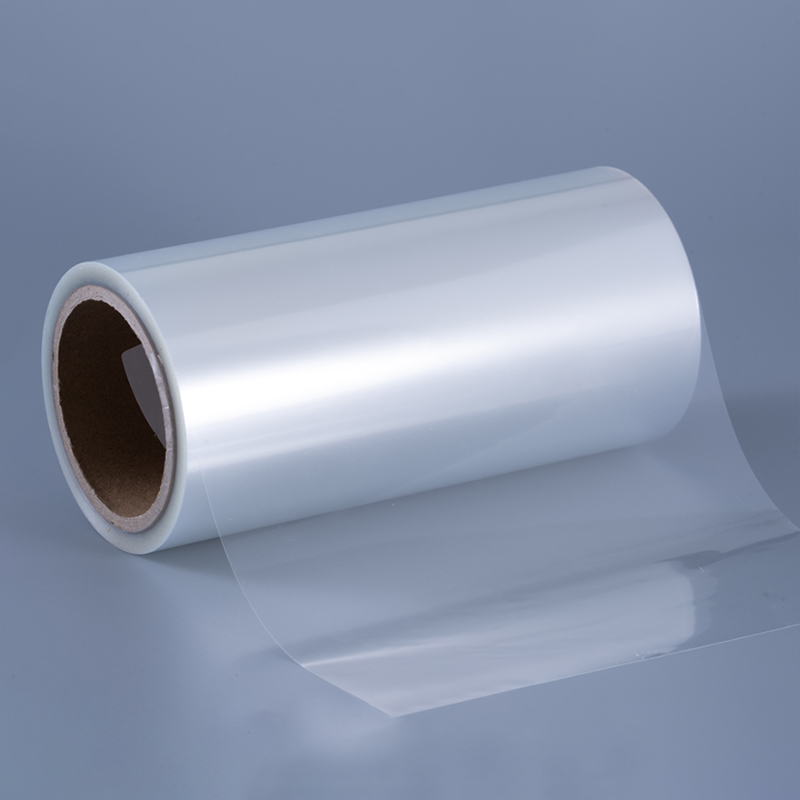
When the label has to survive water, oil, abrasion or temperature swings, film takes over. PP film is the usual choice for squeezable bottles and smooth plastic surfaces, PET film for durability and heat resistance, and synthetic paper when you want a paper-like print surface with plastic-like toughness. All three are available in white, clear, matte, silver and metallised versions, which matters for barcode contrast as much as for appearance.
The adhesive decides what the label can be stuck to and how it behaves afterwards. There is no single best adhesive, only the right one for the surface, the temperature and the intended lifetime.
Adhesion also has to match the surface rather than the other way round. A permanent acrylic grips a coated carton easily; the same adhesive on a curved polyethylene mailer, a woven sack or a dusty drum is a different problem. That is why we offer several adhesion levels within the same face stock family.
How the address gets onto the label determines the coating on the face stock. Four routes cover most of the volume.
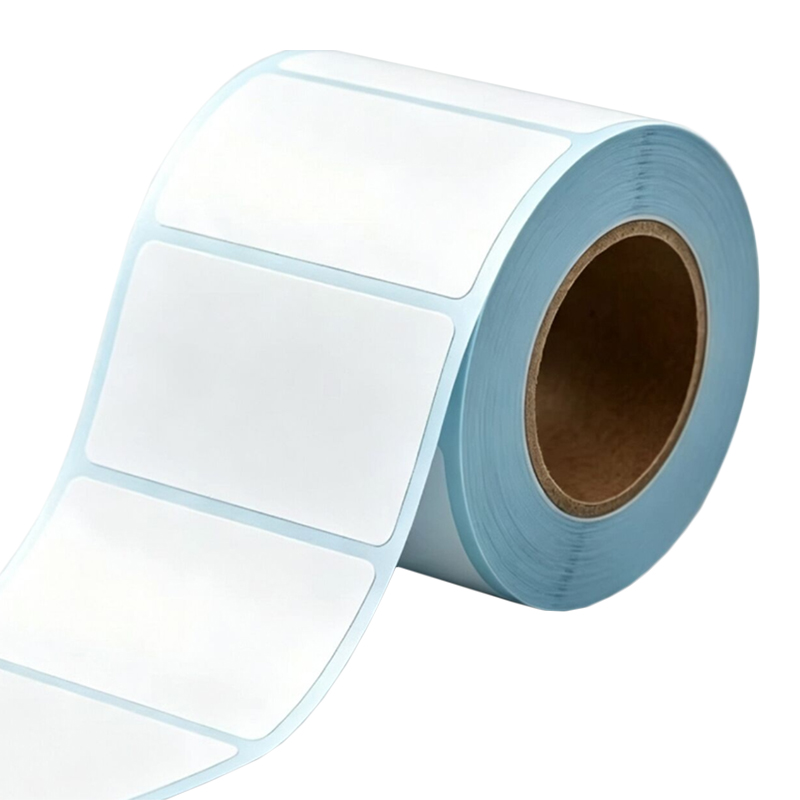
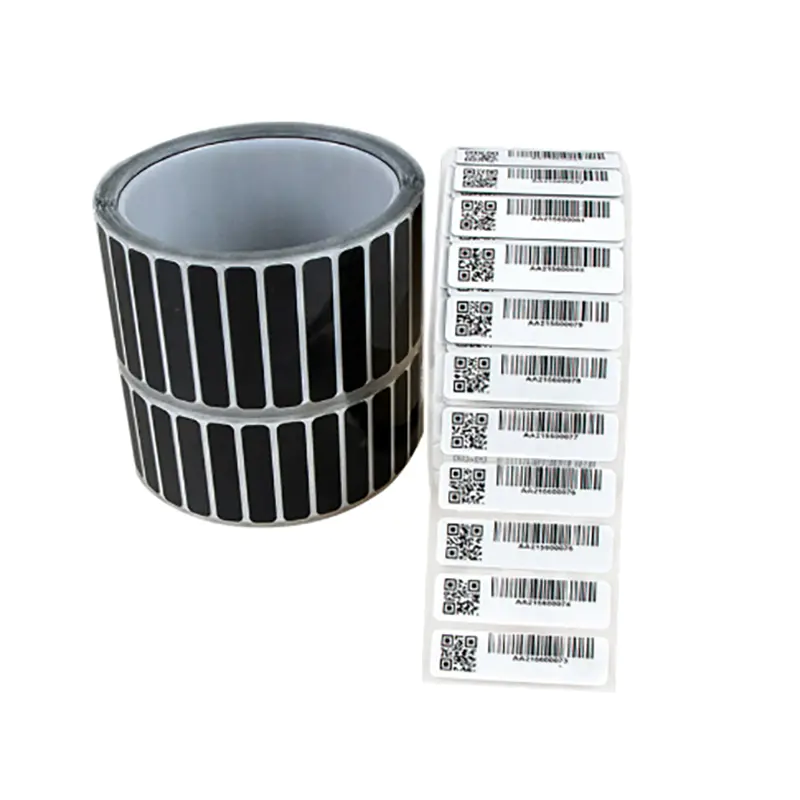
Direct thermal is the fastest and cheapest route for shipping and courier labels — the print head reacts with a top coating and no ribbon is needed. Its weakness is exposure: heat, sunlight and abrasion can darken or fade the image, so top-coated grades and sensible storage matter. Thermal transfer uses a ribbon against a smoother, often synthetic face, producing a longer-lasting barcode in the same footprint. Our thermal paper label materials cover both routes and a range of grammages.
For small batches printed in an office or workshop, the face stock needs the right coating. Uncoated paper is fine for laser toner; inkjet needs a coated surface, or the ink wicks into the fibres and small type feathers. Semi-gloss coated paper gives crisp small text and a clean barcode, while matte white PP and PET are the answer when the label must also shrug off water.
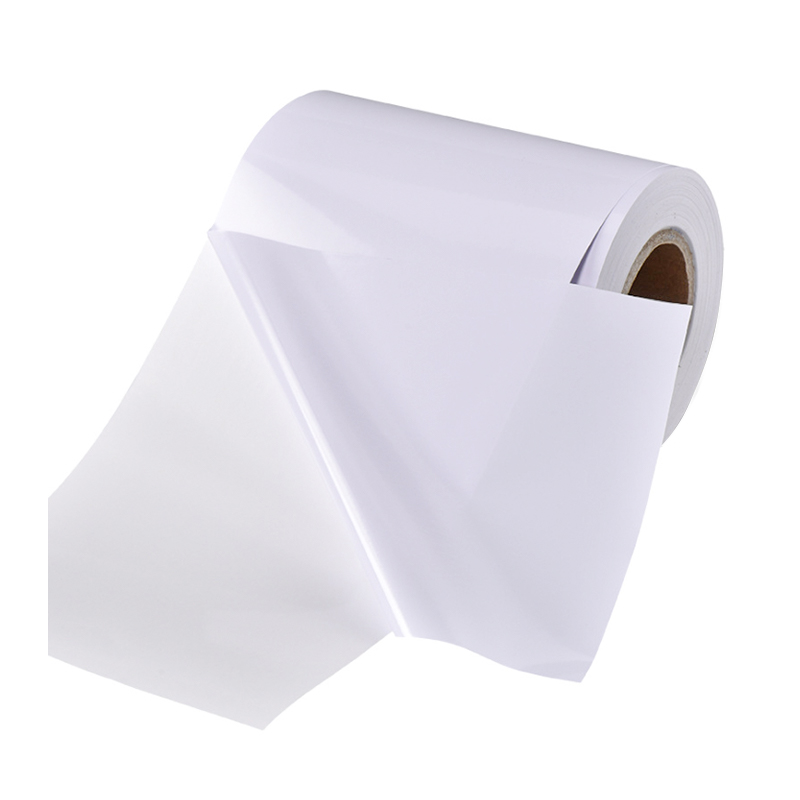 Semi Gloss Inkjet Paper Label Material for Color Inkjet PrintingInkjet face with hot melt adhesive and white glassine liner, offering quick-drying, high ink holdout and crisp color labels for varied industrial uses.View Product →
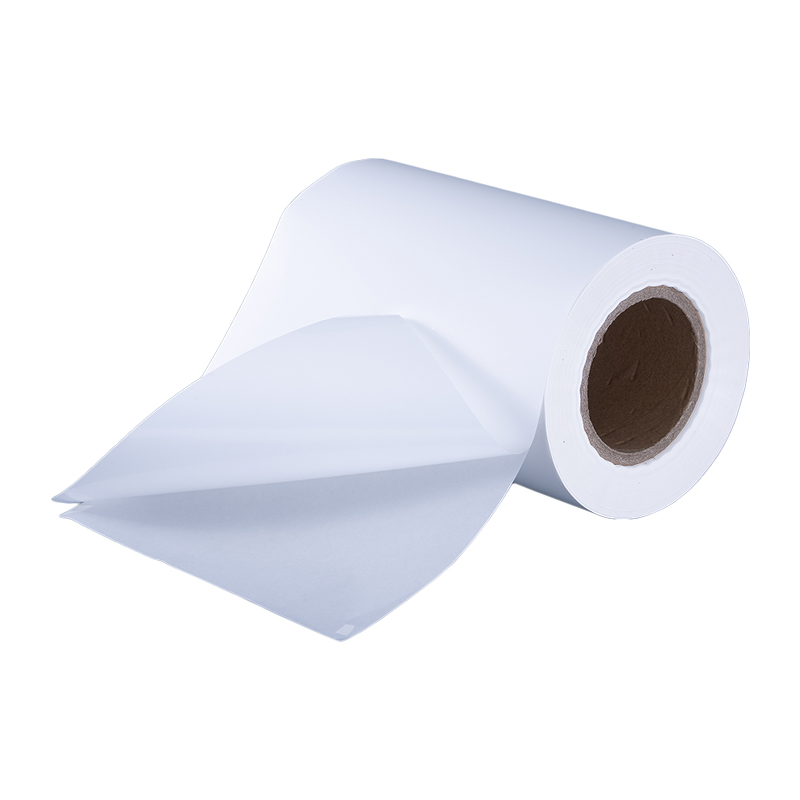
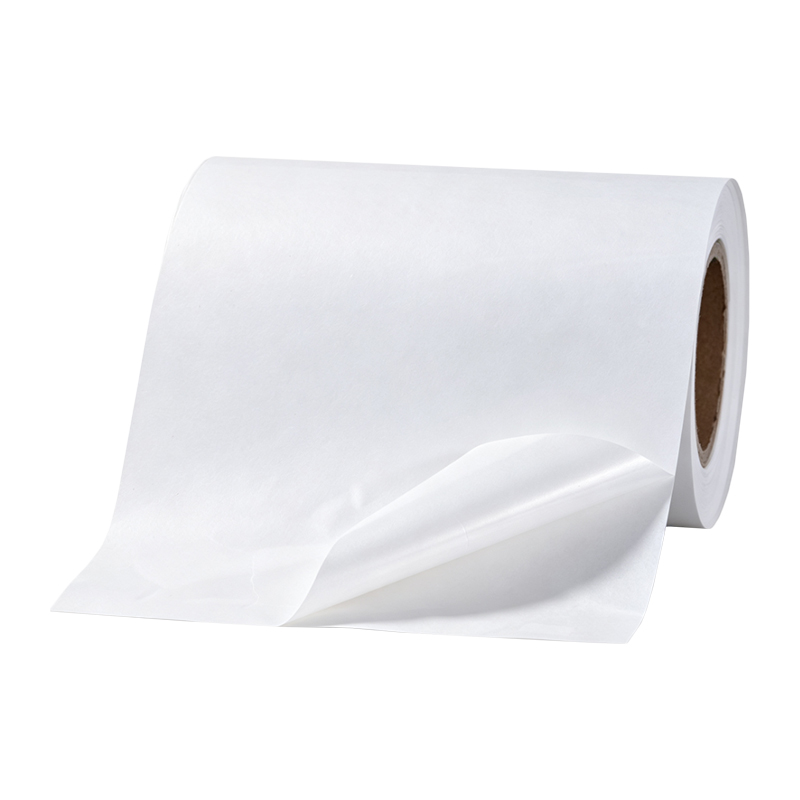
Converters buy address label material in jumbo roll form and then print, laminate, die-cut and rewind it. Here the priorities shift to web handling: consistent caliper, a stable liner, clean die-cutting and rolls that behave the same way from start to finish.
Three application families account for most address label volume, and each one stresses a different part of the construction.
High-speed applicators demand a stiff liner and an adhesive with immediate tack. Labels are applied within seconds of a carton being sealed, so a slow-wetting adhesive simply will not survive the line speed.
A label applied at -18 °C must wet out and hold on a chilled or icy surface, then stay flat through repeated freeze-thaw cycles. Frozen adhesives are formulated for exactly that, and they are usually paired with a durable thermal or synthetic face so the address stays legible.
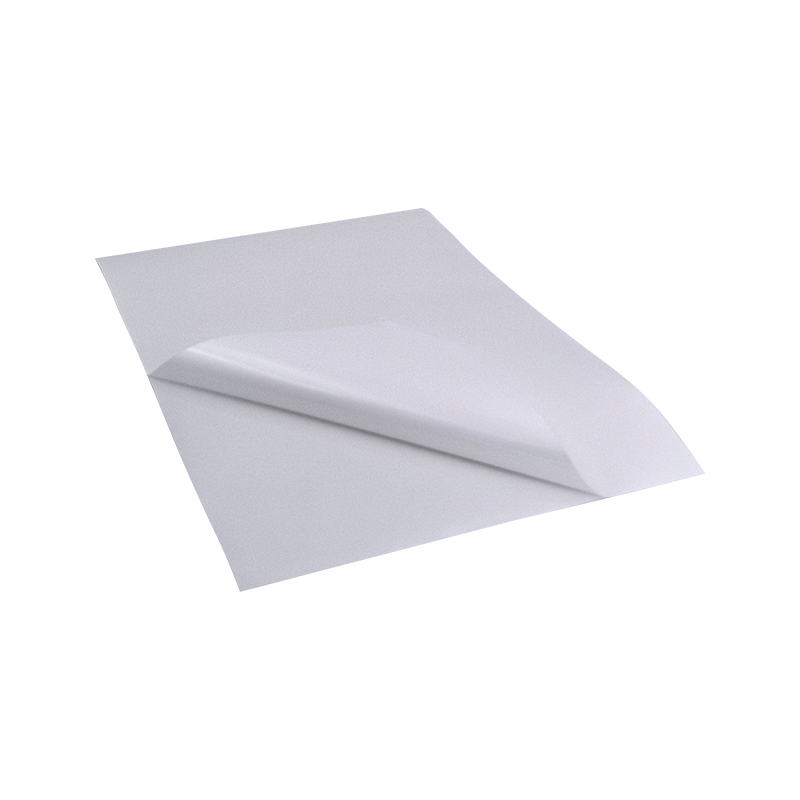 Thermal Synthetic Paper Label Material with White Glassine LinerWater-resistant thermal synthetic face paired with frozen adhesive and white glassine liner, supporting legible labels for frozen food packing and damp environments.View Product →
Drums, cylinders, outdoor equipment and cable assemblies need an address label that resists UV, water and temperature extremes. Film face stocks such as PET and synthetic PP, combined with solvent acrylic or UV adhesives, keep both the print and the bond intact where paper would cockle and lift.
When customers ask which material to use, the conversation follows a familiar path. Answering these questions first makes it much shorter.
Zhejiang Guanma Packaging Co., Ltd. has been producing self-adhesive label materials in Jiaxing, Zhejiang, just outside Shanghai, for more than ten years. Material leaves the factory in jumbo rolls, which is why our customers are label printers, packaging converters and manufacturers rather than end users.
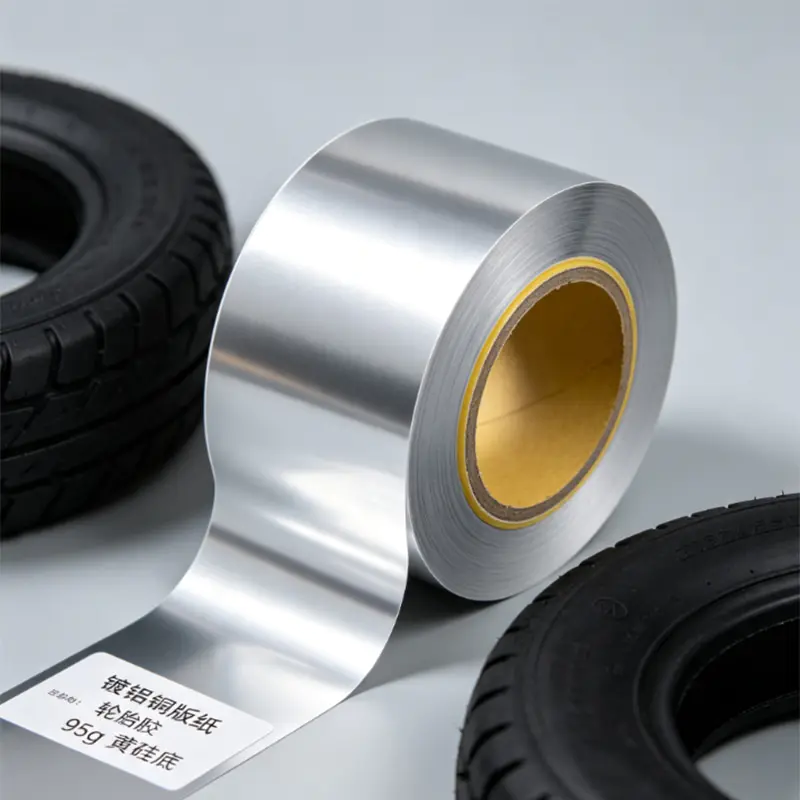
The paper side of the range includes woodfree paper, kraft and thermal stocks; the film side covers PP, PET and PE, alongside synthetic paper and specialty materials for cable, tyre, battery, textile, wet wipe, blood bag and frozen food labelling. If you are unsure which combination suits your application, describing the surface, the printer and the temperature range is usually enough for us to suggest two or three sensible options.
An address label has one job: to arrive readable and still attached. That job is decided by three quiet choices — face stock, adhesive and liner — made well before the parcel is packed. Get the combination right and the label disappears into the background, which is exactly what a good one should do.
We have a professional R&D team and strong manufacturing capabilities to ensure product quality and delivery while doing a good job in product iteration and innovation.
Address : Building 2. No.111 Xincheng Road, Xitangqiao Street, Haiyan, Jiaxing, Zhejiang Province, China
Phone: +86-150 0573 0249
Tel: + 86-0573-8685 2732
Fax: + 86-0573-8685 2732
E-mail: [email protected]
Copyright© Zhejiang Guanma Packaging Co., Ltd.
 Privacy
OEM Self Adhesive Label Material Manufacturers Waterproof Labels Suppliers Custom Adhesive Label Material Factory