Key Printing Performance Considerations When Specifying Custom Self-Adhesive Label Materials
Nov 24,2026PVC Double-Sided Self-Adhesive Label Material: Built for Outdoor Cotton Bale Wrapping
Nov 24,2026One‑Stop Label Solutions: Custom Blank Substrates & Fully Pre‑Printed Self‑Adhesive Labels
Nov 23,2026Clear Adhesive Labels: Choosing Transparent Film, Adhesive, and Print Options
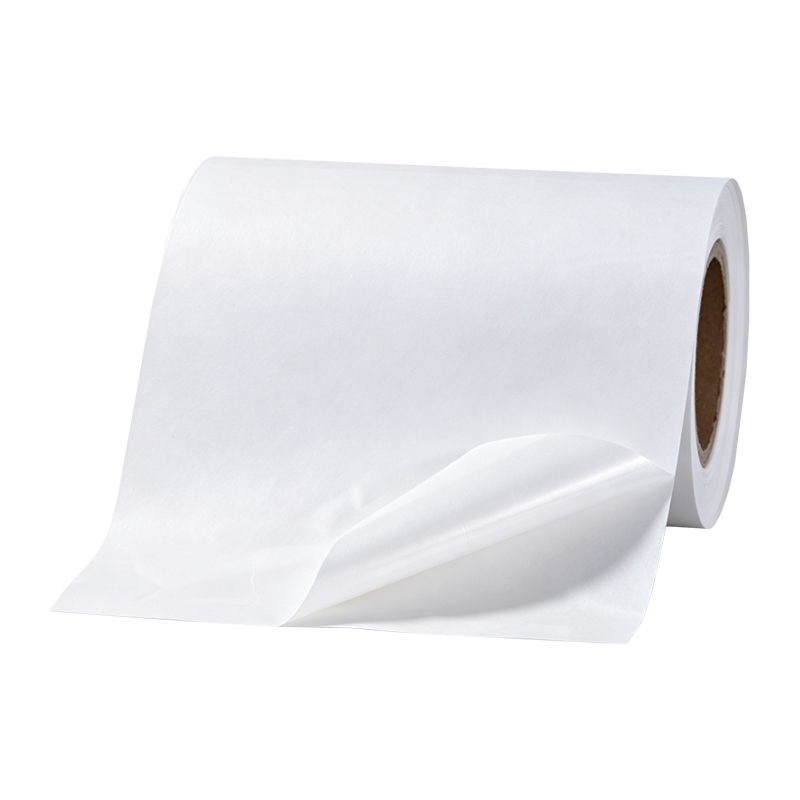
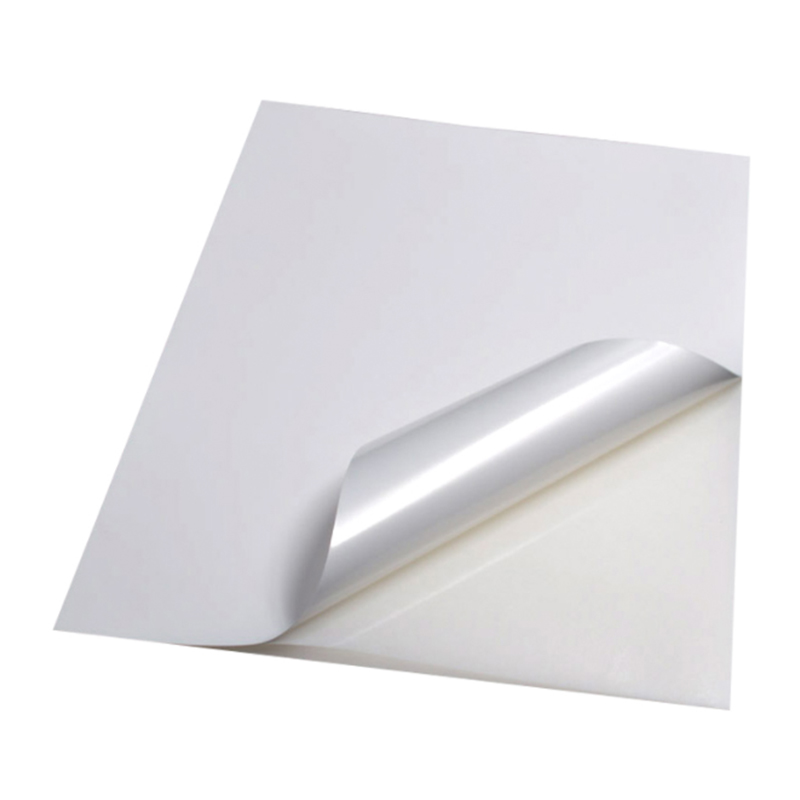
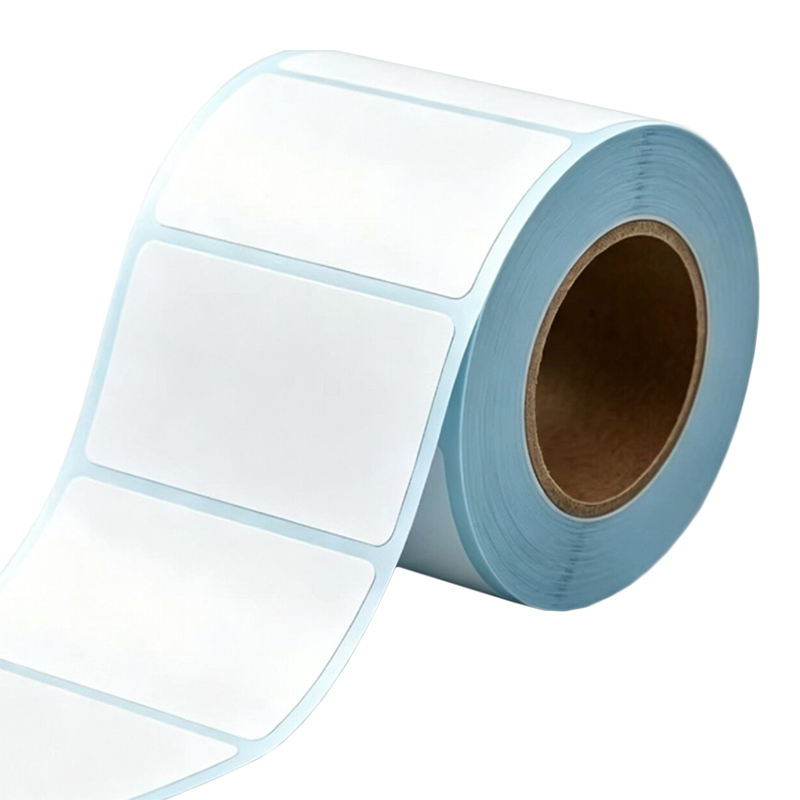
Nov 20,2026Selecting self-adhesive label materials purely based on adhesive bonding performance is a widespread mistake among procurement specialists. Even if a tri-layer laminate delivers good sticking performance on target containers, poor print compatibility will render your labels commercially useless: blurred barcodes, ink flaking off, smudging, uneven colour density or surface cracking after die cut finishing. Every face-stock material paper, PP, PE, PET, synthetic paper carries unique printing behaviour traits, and these traits interact closely with your chosen printing method, ink formula and post press finishing steps. Working with a manufacturer like Zhejiang Guanma Packaging Co., Ltd, who understands both substrate coating technology and practical label printing challenges, helps customers make well informed material choices; whether clients purchase blank label stocks for their own in house printing or place orders for fully finished pre-printed labels from Guanma’s production facility Zhejiang guanma packaging Co.,ltd .
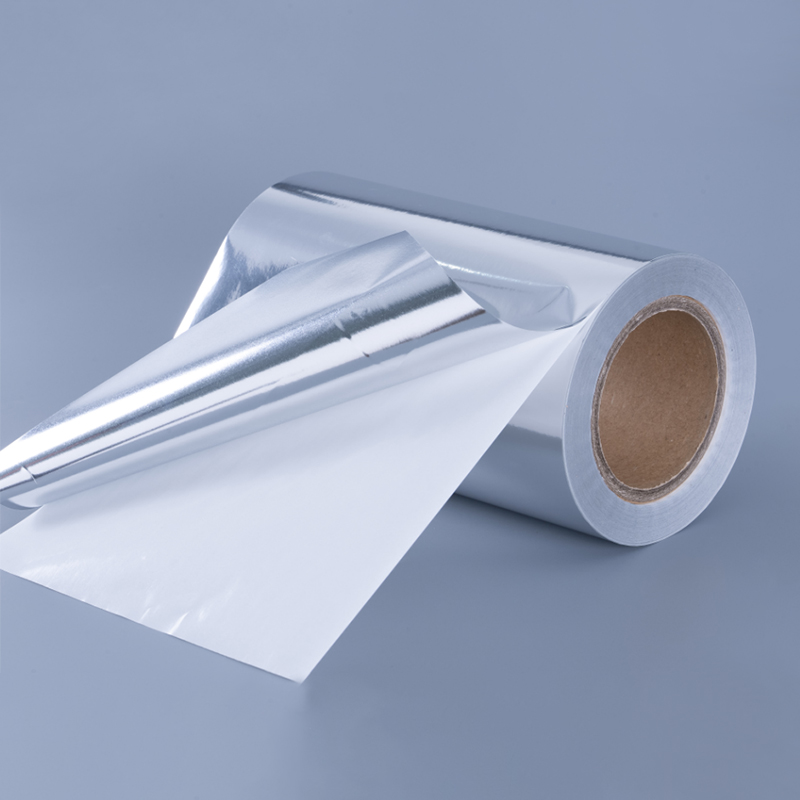
Different printing processes impose distinct technical demands upon self adhesive face stock surfaces. Flexographic printing, the dominant workhorse for high volume label manufacturing, requires consistent surface smoothness and stable dimensional stability across the full web width. Coated cast paper, wood free paper, and many PP synthetic film materials operate excellently under flexo conditions. However highly stretched thin metallized PET variants demand careful press tension adjustment to avoid web wrinkling and colour mis-registration. When customers order blank flexo-grade material from Guanma, sales engineers collect information including press web speed, ink type (water-based / solvent / UV flexo), and intended post press treatments such as gloss or matt lamination to recommend the good suitable face stock liner combination.
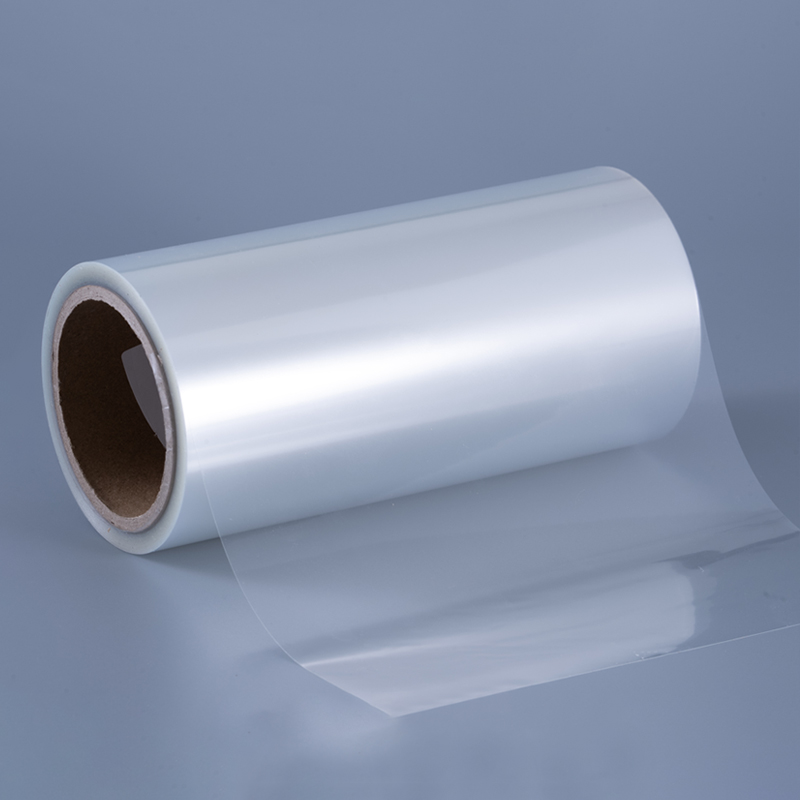
Digital ink jet printing has grown rapidly thanks to its flexibility for short runs and variable data printing. Ink-jet-printable self adhesive films cannot be treated as generic ordinary PP or PET. Specially modified surface coating layers are mandatory to absorb aqueous or UV-curable jetting inks rapidly, preventing ink beading, smearing or slow drying issues. Guanma’s product catalogue contains dedicated ink jet grade materials including 80 μm transparent clear PP, 90 μm bright white PP and 100 μm matt white PP constructions, each pre matched with proper glassine release liners. Clients have two options here: they may buy these blank inkjet laminates and run printing at their own plant, or hand over artwork files to Guanma and receive fully digital printed finished label rolls delivered to their warehouse.
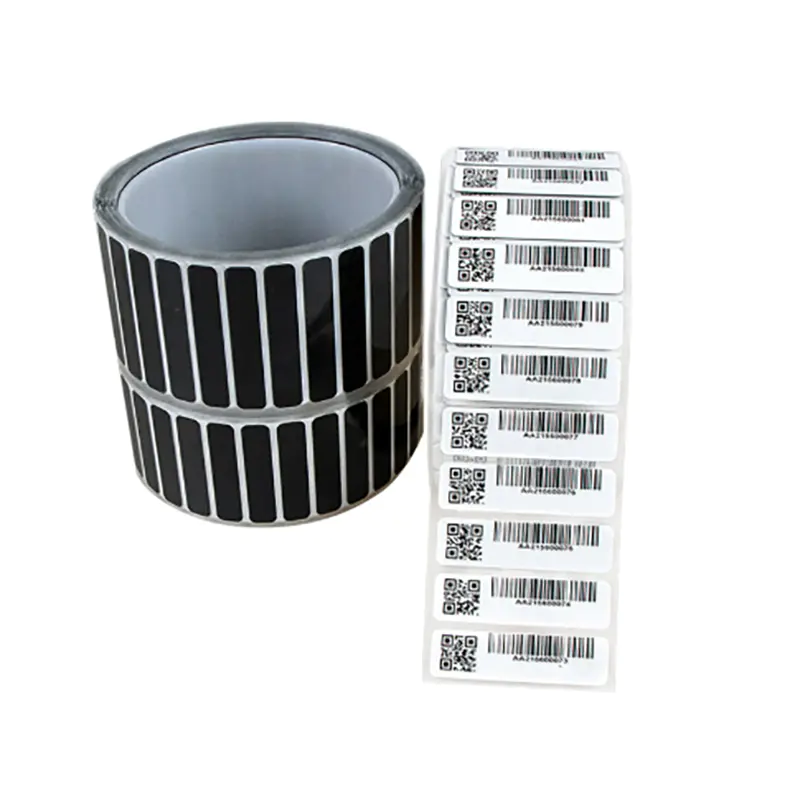
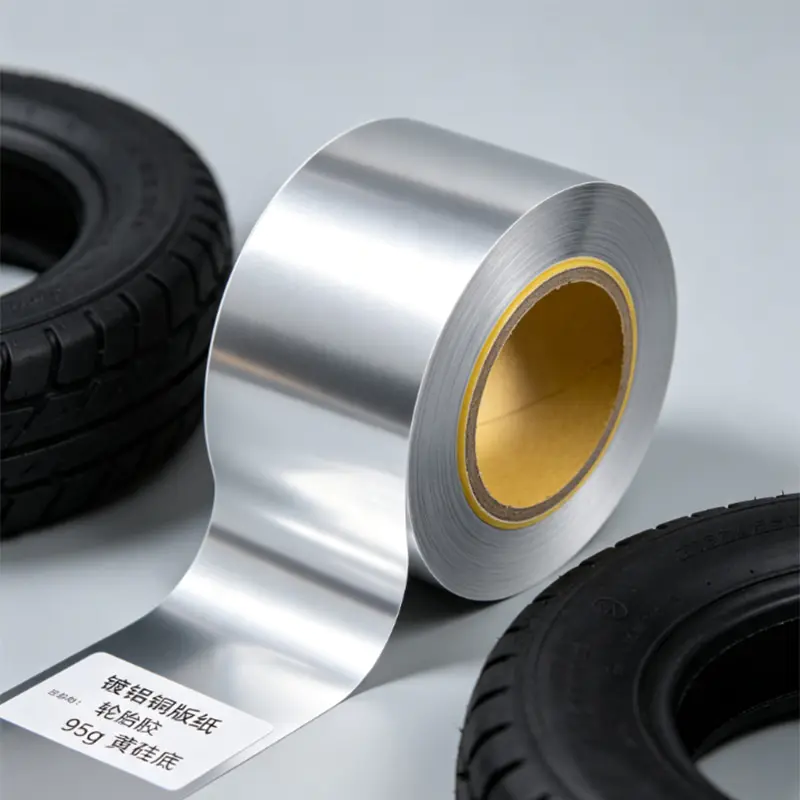
Thermal transfer printing represents another massive application field, heavily used for logistics barcodes, industrial asset tags, tire marking and batch coding labels. For thermal transfer workflows, the surface abrasion resistance of face stock and compatibility with wax, wax resin or full resin ribbons become decisive. Ordinary unmodified film surfaces will produce scratched, easily erased printed barcodes. Paper based materials pair well with low cost wax ribbons; PP, synthetic paper and metallized PET stocks require wax resin or full resin ribbons to achieve durable print images. Many customers run into trouble by purchasing cheap general purpose film materials, only to discover printed content rubs away under light friction. Guanma’s technical support team will remind buyers to confirm ribbon type during material specification, no matter you order blank rolls or pre-printed thermal transfer finished labels.
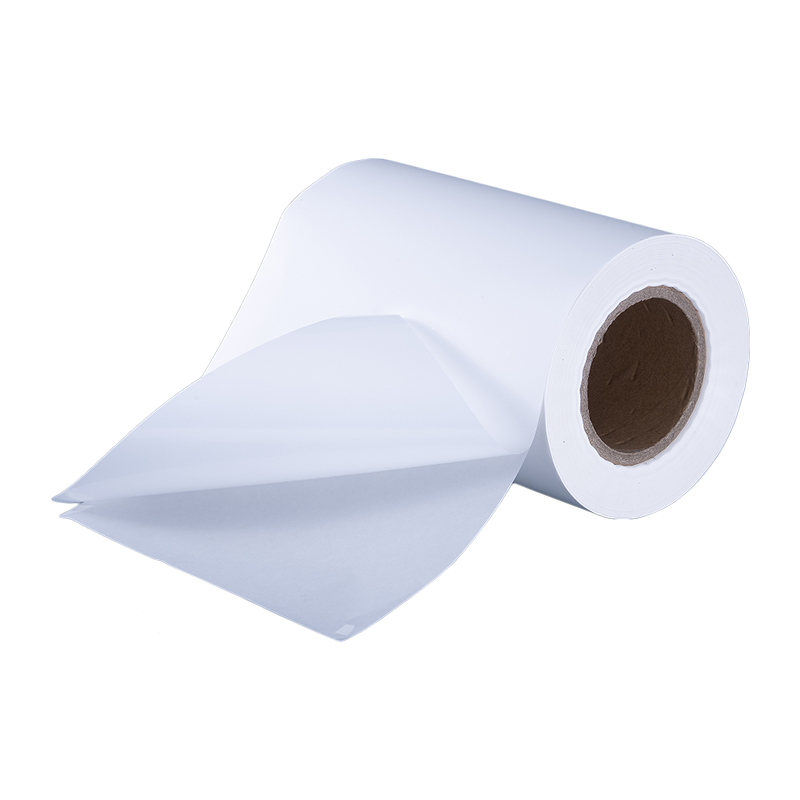
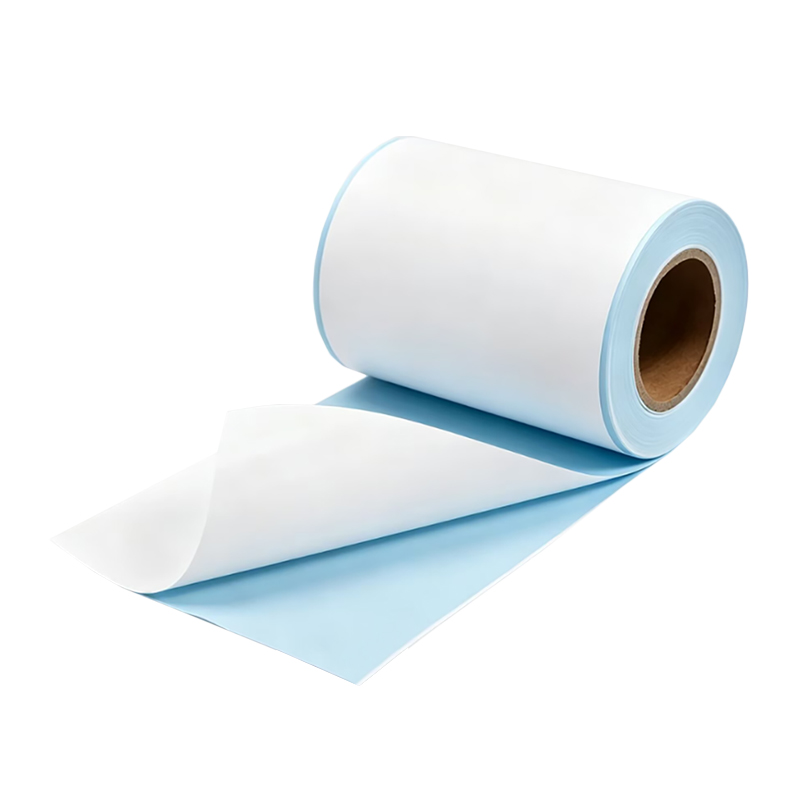
Print related failures are not only caused by face-stock; release liner selection also indirectly influences final printing outcomes. Excessive web wrinkling, web shrinkage or liner deformation during high speed printing often trace back to wrong liner specification. Glassine liners offer outstanding dimensional stability for good label printing jobs. Yellow silicon coated CCK kraft liners feature higher tensile strength for heavy weight rubber adhesive industrial laminates, yet their rougher texture should be avoided when printing ultra clear transparent film “no label look” products, because micro texture from liner may transfer through adhesive and create visual defects on printed film surfaces. Film type PET release liners deliver zero texture backing for premium transparent label printing, yet they require adjusted die cut pressure during converting to prevent piercing through the liner substrate.
Post printing converting steps including die-cutting, hot-foil stamping, spot UV varnish application also interact with your base label material. Brittle rigid film substrates risk ink cracking at die cut edges when label shapes contain sharp corners. Highly flexible PP and PE films tolerate die cut deformation far better. Hot foil stamping needs certain surface temperature resistance; some low cost synthetic paper will deform under hot foil working temperature, causing foil transfer failure. When customers request Guanma to produce finished printed labels with special finishing effects, all those factors are taken into account during material grade selection phase.
A key competitive advantage of working with an integrated manufacturer like Guanma lies in material and printing joint testing capacity. When customers have challenging projects, for example: waterproof printed labels for frozen food containers, oil resistant printed labels for wet wipe packaging, weather resistant printed outdoor cable labels, technical team can run real simulation print trials on candidate self adhesive laminates before formal bulk order confirmation. If clients prefer to handle printing locally, Guanma supplies printed test samples made on candidate materials as reference for their printing house. If customers choose one stop finished label service, all print and convert testing is completed internally at factory side.
Many global purchasers fall into a simple spec trap: they write purchasing requirements focusing purely on adhesive parameters such as adhesion strength and low-temperature resistance, without adding printing related specifications. Consequently, incoming material meets adhesive test criteria yet performs badly on-press. Best practice is to always share full operational data with your label material supplier: printing technology, ink category, press running speed, post press finishing processes, target end use environment.
Whether your project calls for blank self adhesive jumbo rolls for your own printing workshop, or turn key ready to use pre-printed finished labels, Zhejiang Guanma Packaging provides tailored solutions. Balancing adhesive performance, face stock physical features and printing compatibility together ensures your self adhesive labels look sharp, print reliably and hold firmly throughout the whole product lifecycle.
https://www.gmself-adhesive.com/
We have a professional R&D team and strong manufacturing capabilities to ensure product quality and delivery while doing a good job in product iteration and innovation.
Address : Building 2. No.111 Xincheng Road, Xitangqiao Street, Haiyan, Jiaxing, Zhejiang Province, China
Phone: +86-150 0573 0249
Tel: + 86-0573-8685 2732
Fax: + 86-0573-8685 2732
E-mail: [email protected]
Copyright© Zhejiang Guanma Packaging Co., Ltd.
OEM Self Adhesive Label Material Manufacturers Waterproof Labels Suppliers Custom Adhesive Label Material Factory

English
русский
Español
عربى