

 English
 русский
 Español
 عربى
Home / News / Industry News / Blank Adhesive Labels: How Face Stock, Adhesive, and Liner Work Together
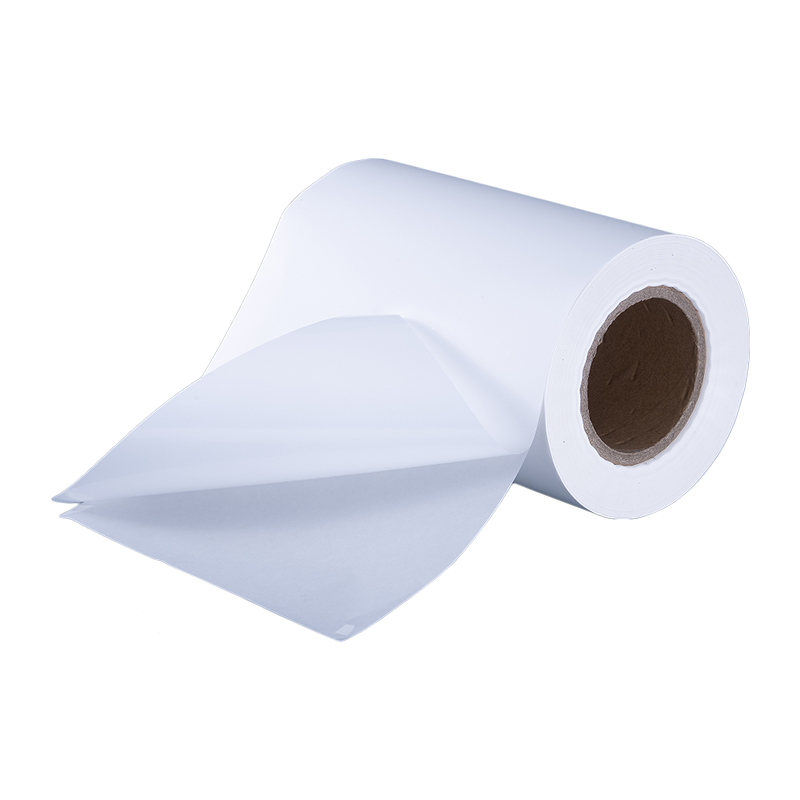
Blank adhesive labels look simple from the outside: a clean face, a tacky back, and a release liner. In practice, they are a small engineered system. The face stock decides how the label prints and wears. The adhesive decides where it sticks and for how long. The liner decides how cleanly the label feeds, peels, and converts. When those three parts are balanced, blank labels are quiet and dependable. When one part is wrong, the problem shows up as curl, jams, missing ink, or a label that lifts at the edge.
This guide is for label printers, packaging teams, and buyers who need unprinted adhesive labels that turn into reliable printed labels on press and in the real world. The aim is not to sell the thickest film or the tackiest glue. It is to choose a material combination that fits the job, the printing method, and the surface it will meet.
Content
A blank adhesive label has no preprinted brand, barcode, or safety text. It may still have a coating, a topcoat, a special adhesive, or a die-cut shape. “Blank” describes the print status, not the technical simplicity of the material. The blank label is the carrier that a converter or end user later turns into printed labels such as shipping labels, product stickers, inventory tags, or warning labels.
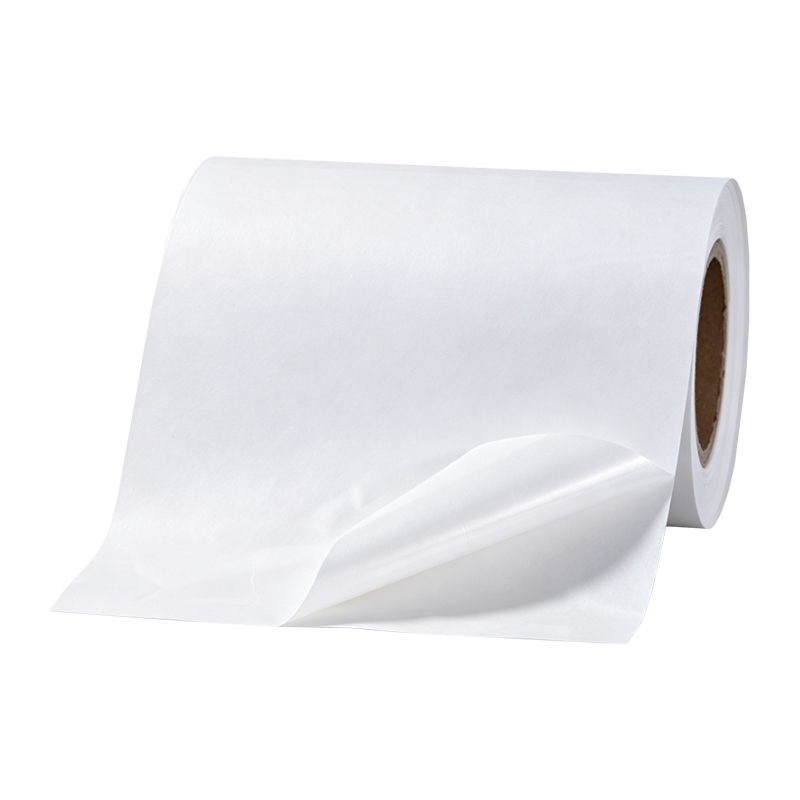
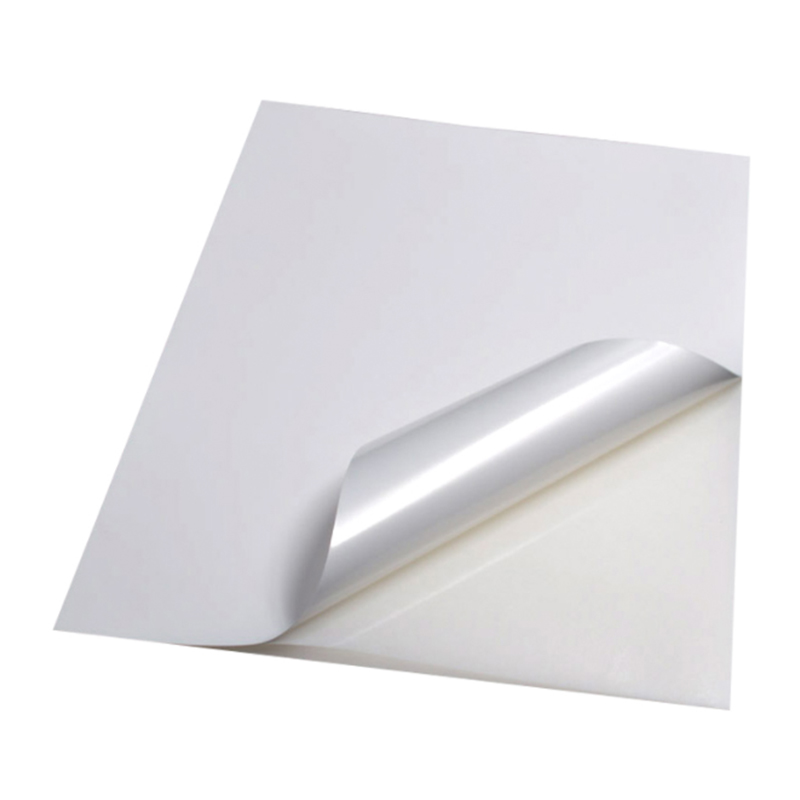
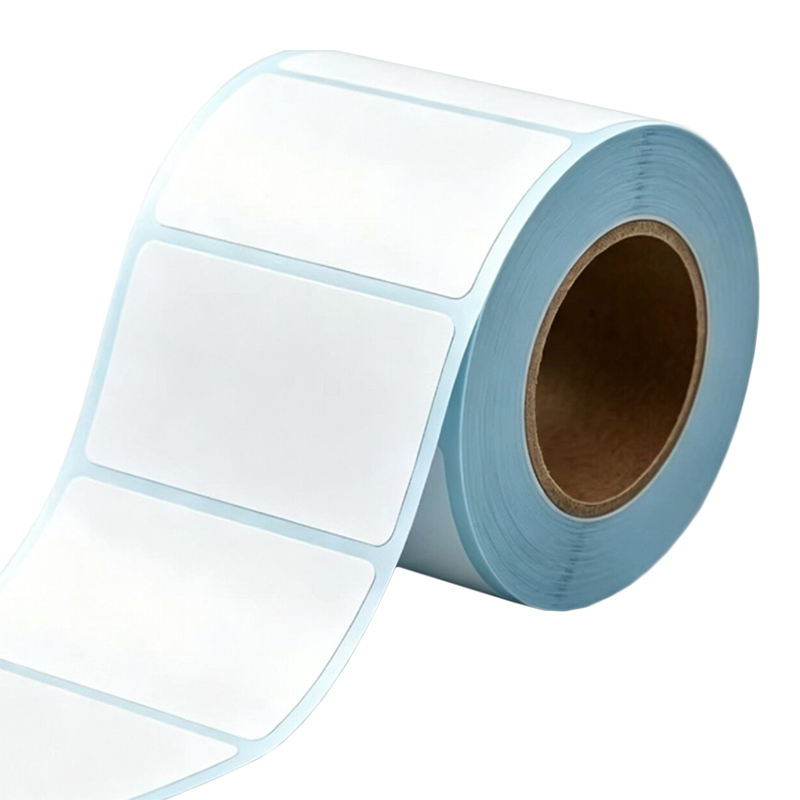
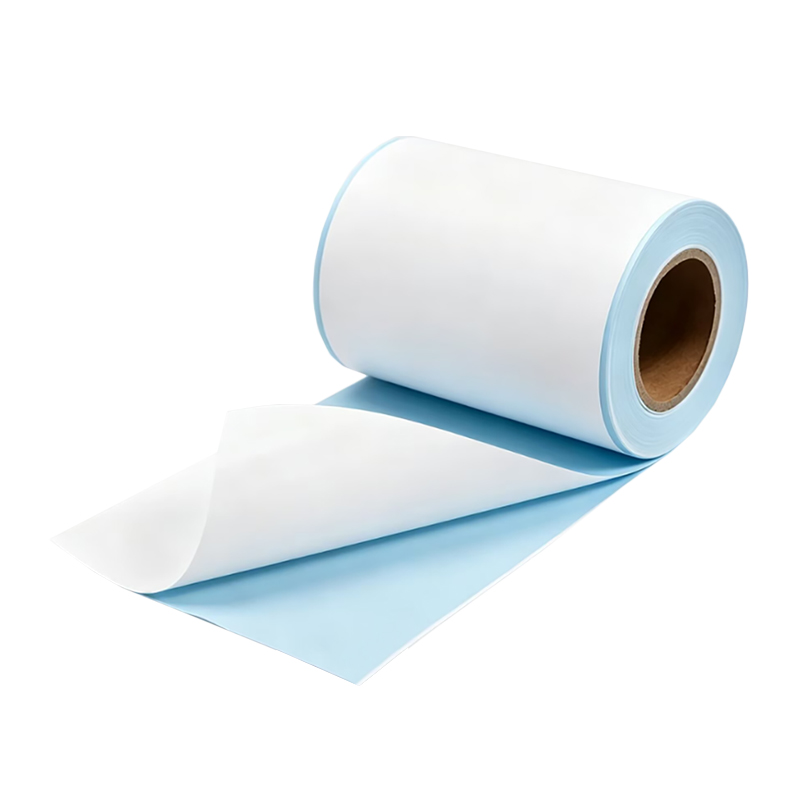
For a converter, blank adhesive labels often arrive as jumbo rolls of self-adhesive paper or film. The converter prints, die-cuts, strips the matrix, and rewinds the finished rolls. For a smaller buyer, the blank labels may arrive as sheets or die-cut rolls ready for an office printer or thermal printer. Both are valid formats, but they put different demands on the face stock, adhesive, and liner.
That distinction matters when you compare quotes. A low price per square meter means little if the liner wrinkles at high speed or the adhesive bleeds at the die edge. The quality of your finished printed labels depends on the blank material long before the first drop of ink lands. It also matters when you buy “blank labels” for a specific printer. An inkjet label is not automatically a laser label, and a direct thermal label is not a good choice for a hot, sunny shelf.
Before comparing data sheets, describe the label’s working life in plain language. Where will it go? How long should it stay there? Will it be frozen, wiped with solvent, squeezed, sterilized, or left outdoors? Will it be printed in small batches on a desktop printer or in long runs on a flexo press? These questions usually narrow the material choice faster than a long list of technical properties.
The answers point to a family of materials, not a single SKU. A freezer label and a cosmetic bottle label may both be white and pressure-sensitive, but they rarely share the same adhesive or face film.
| Face stock | Typical use | Printing notes | Watch-outs |
|---|---|---|---|
| Woodfree paper | General product, logistics, and office labels | Flexo, laser, and coated inkjet grades | Not for long wet exposure; check the inkjet coating |
| Thermal paper | Shipping labels, retail tags, barcode labels | Direct thermal or thermal transfer | Heat, sunlight, and abrasion can fade or scratch the print |
| PP film | Bottles, wet wipes, freezer packs, household goods | Flexo, UV, digital, and inkjet-compatible versions | Squeezing and tight curves need the right adhesive |
| PET film | Durable goods, outdoor equipment, battery and cable labels | UV, solvent, digital, and laser printing | Stiffer film can lift on small curves; check liner and adhesive |
| Synthetic PP paper | Outdoor signs, freezer packaging, industrial labels | Inkjet, flexo, and UV digital | Surface texture and topcoat affect ink laydown and drying |
Paper is familiar, affordable, and easy to print, which is why it remains a default for many blank labels. Coated inkjet paper gives crisp text and solid blocks of color, while woodfree paper suits flexo and laser work. Film face stocks move in a different direction. PP is flexible and water-resistant, so it follows the squeeze of a shampoo bottle. PET is tougher and more dimensionally stable, which helps on durable goods, outdoor equipment, and labels that face heat or chemicals.
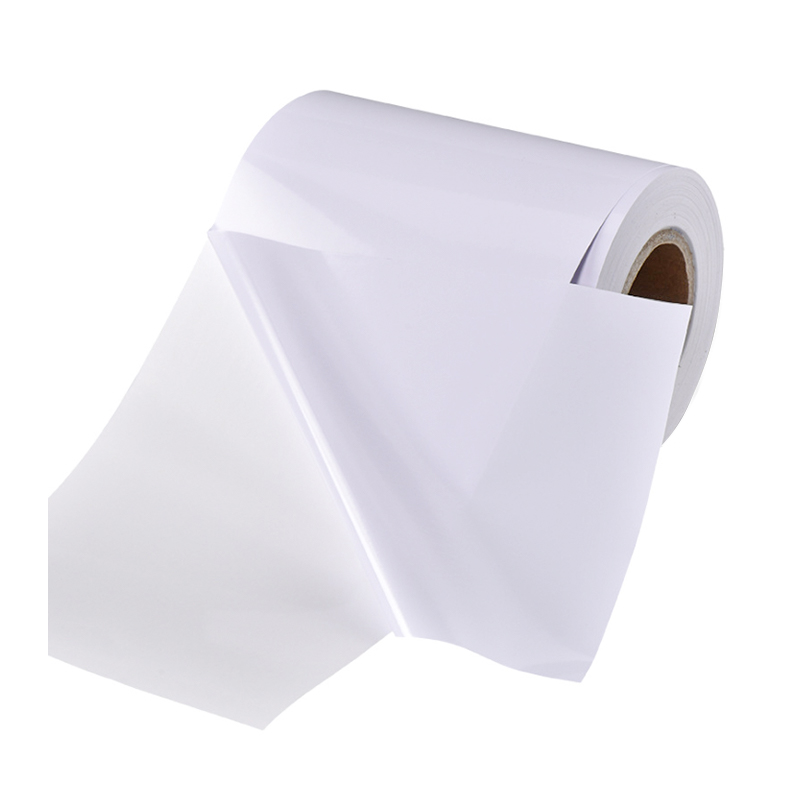 Semi Gloss Inkjet Paper for Color Label PrintingA semi-gloss inkjet face stock with reduced glare and fingerprint resistance, suited to color label printing where crisp detail and quick-drying ink holdout matter.View Product →
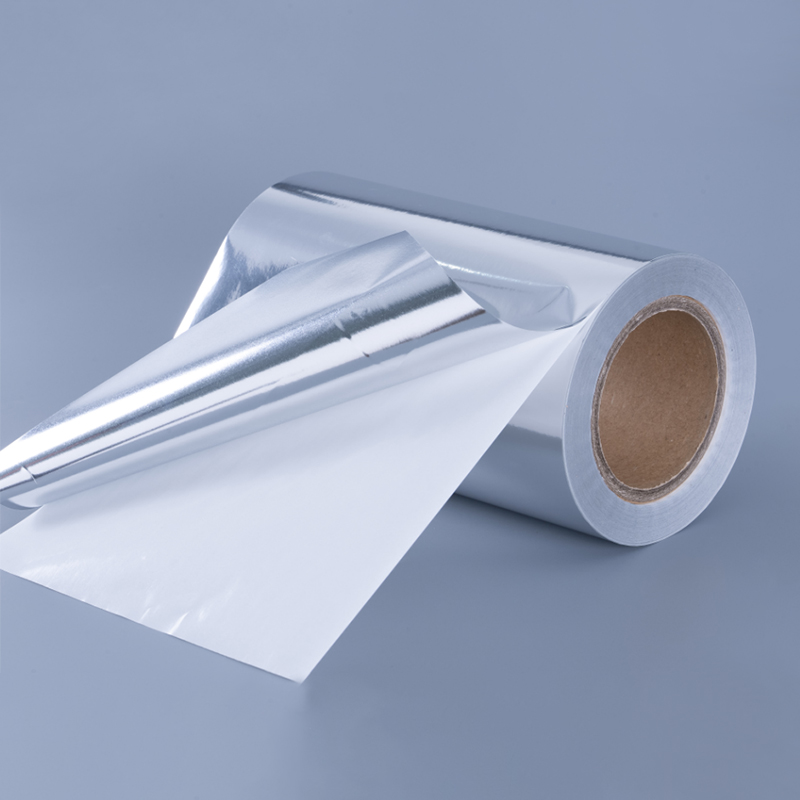
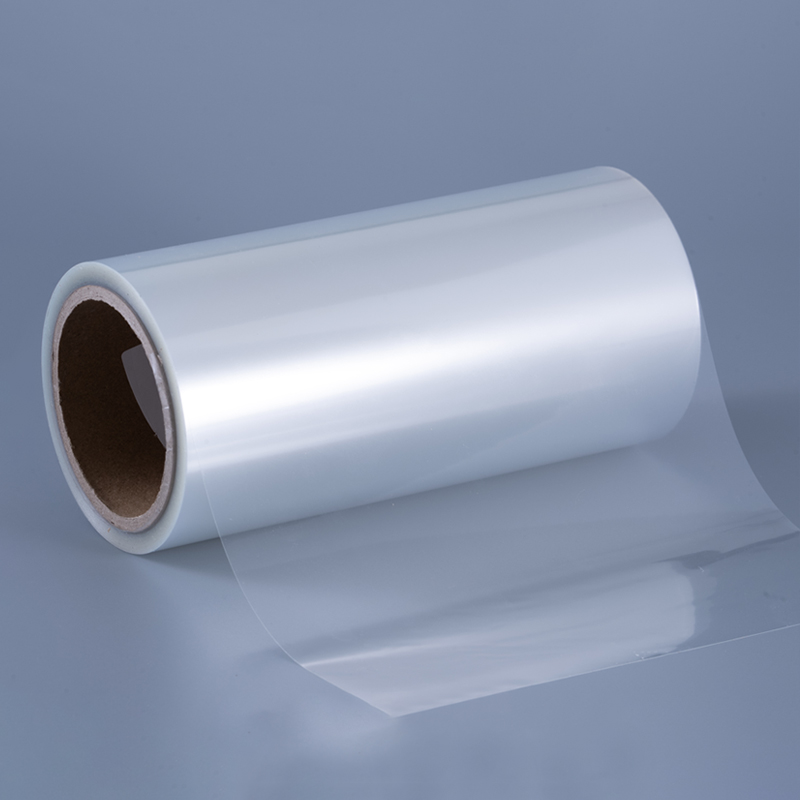
The surface finish also changes the result. Gloss white reflects light and makes colors look sharper. Matte white reduces glare and gives a softer, more premium feel. Transparent film lets the container show through. Metallized film adds a metallic look without a metal substrate. None of these finishes is “best” in isolation; each one works only when the printing method and the end use agree.
Water-based acrylic adhesive is a common starting point for general labels. It handles paper and film faces well and suits many indoor applications. Solvent acrylic and hot melt adhesives offer higher initial tack or better performance on difficult surfaces. Removable adhesives are useful for promotional labels, textile care tags, and temporary retail stickers. Freezer adhesives are formulated for cold, damp conditions where a standard adhesive may turn brittle or slide.
The surface is part of the adhesive decision. A glass bottle, a rough woven bag, and a low-surface-energy plastic tub do not reward the same glue. In cold storage, condensation can form between the label and the pack before the adhesive has time to wet out. On a curved bottle, a stiff face stock may need a softer adhesive and a thinner liner to stay flat. These are practical details, not laboratory trivia.
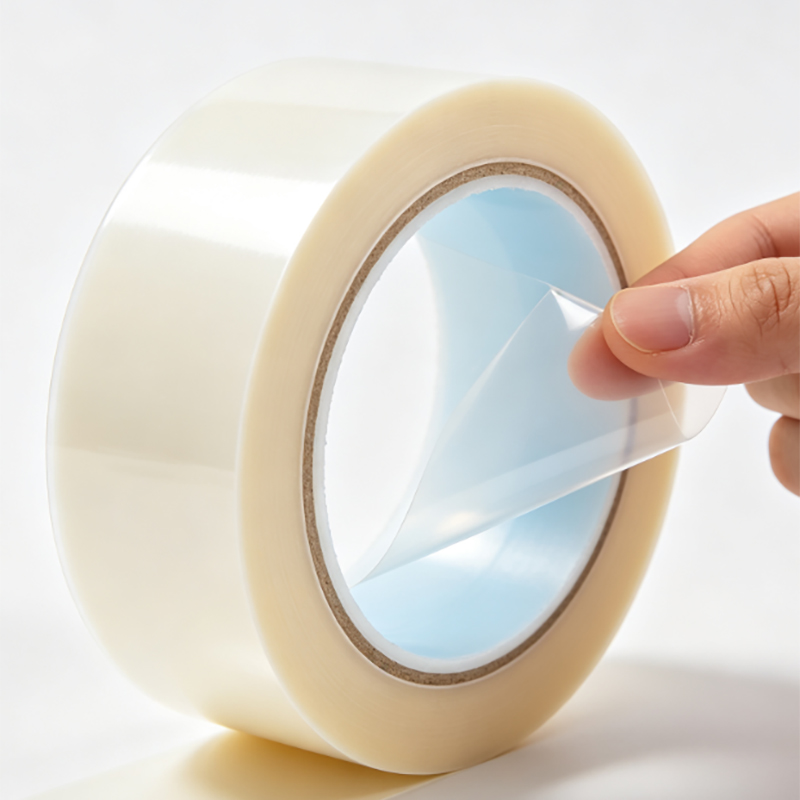
The release liner is often ignored until it causes trouble. A glassine liner is common for paper and film labels, while PET liner may be chosen for stability or transparency. Liner caliper affects roll diameter, die-cutting, and how the label peels on an applicator. Release force matters too: too tight and the label tears or curls; too loose and it can lift during storage or handling.
For blank labels that will run through a desktop printer, liner flatness is especially important. A wavy liner can cause misfeeds, skew, and double sheets. For high-speed converting, consistent release and splice quality keep the line moving. It is worth asking how the liner behaves after printing, not only before.
Printed labels are only as good as the match between the print method and the face stock. Inkjet printing rewards a receptive topcoat. Without it, water-based ink can pool, feather, or dry unevenly on a film face. Coated inkjet paper, inkjet PP, and inkjet PET are built for this. Laser printing needs a face that tolerates heat and toner fusion; a film designed for inkjet may not perform the same way in a laser printer. Thermal printing has its own logic: direct thermal paper changes color with heat, while thermal transfer uses a ribbon and can print on more durable faces.
For variable-data work such as shipping, inventory, or shelf labels, blank thermal labels are often the most practical format. They are fast, require no ink, and fit compact printers. The trade-off is durability. Direct thermal print can fade with heat, sunlight, or friction, so it suits short-life logistics labels better than long-term outdoor assets.
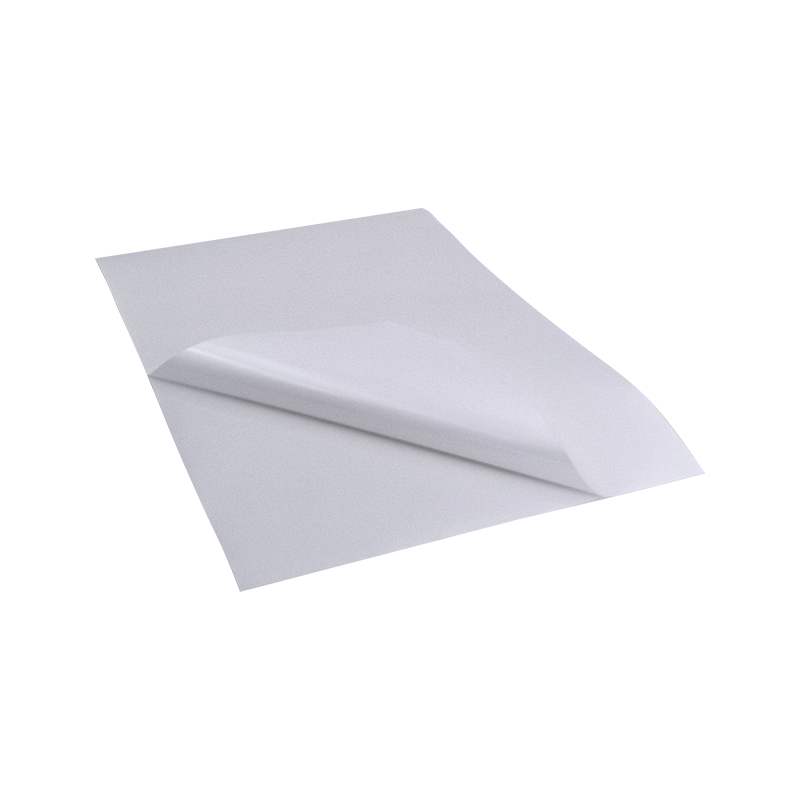 Thermal Synthetic Paper with White Glassine LinerA thermal-printable synthetic label material with frozen adhesive and white glassine liner, aimed at frozen-food packing and other applications needing water resistance and strong adhesion.View Product →
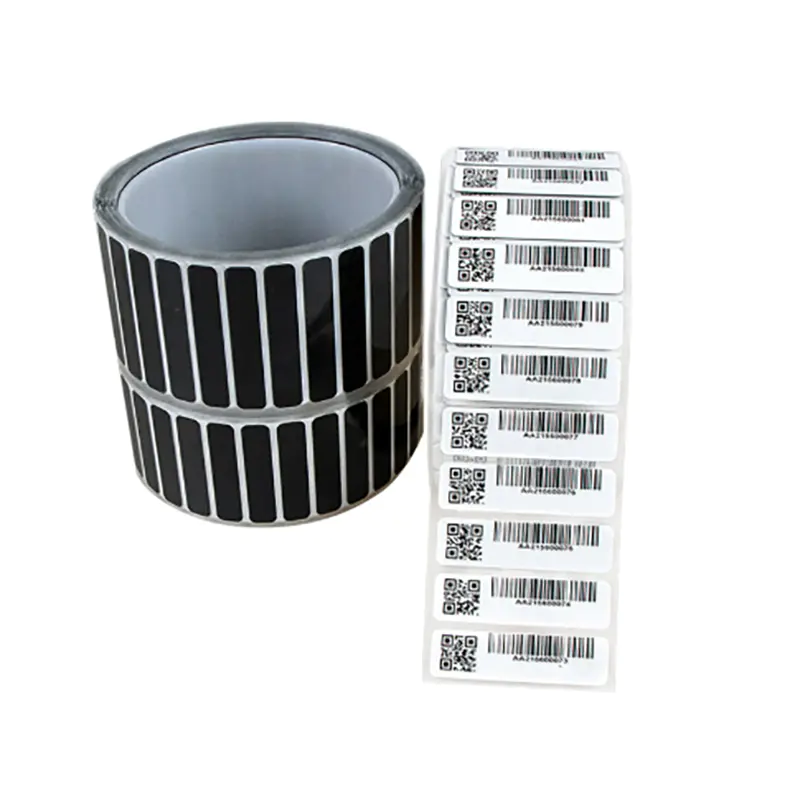
If you need a blank label for barcode printing or on-demand logistics, review our blank barcode labels as a starting point. Then confirm the printer type, the expected life, and the surface before settling on a face stock.
Flexo and UV digital printing sit at the production end. They can handle long runs of printed labels, spot colors, and protective varnishes. The material still needs the right surface energy and coating. A film that prints beautifully on one press may not transfer ink as cleanly on another. When a converter is testing a new blank label, a small print trial is usually more useful than a long theoretical comparison.
Blank adhesive labels are supplied in several formats, and each one changes the handling requirements. Sheets suit small offices and short runs. Rolls suit automated applicators, thermal printers, and flexo presses. Die-cut labels are ready to peel; jumbo rolls need converting. Fanfold stacks can be useful for high-volume desktop printing where roll changes would slow the line.
Storage affects performance too. Adhesive labels prefer a cool, dry, flat place. Stacking heavy rolls on their side can distort the core. High humidity can make paper faces wavy before they reach the press. In winter, a cold roll may need time to reach room temperature before printing; otherwise, condensation can form on the face. These small routines save a surprising number of wasted rolls.
Most blank label problems begin with a mismatch that was easy to miss at the quotation stage. A label that works on a dry carton may fail on a chilled bottle. A film that looks good on a flat panel may lift on a squeezable tube. The following applications show why the face, adhesive, and liner should be chosen together.
For outdoor or semi-durable blank labels, a matt white synthetic PP film can be a practical middle ground. It is tougher than paper, printable on inkjet systems when the grade is designed for it, and less stiff than some PET films. The right choice still depends on the exact surface, expected sun exposure, and whether the label will be handled roughly.
A blank label is only as good as the printed labels it produces in its first production run. Before committing a full order, check the material as a system rather than as a list of separate properties. A simple release peel, a print sample, and an adhesion test on the real surface will reveal more than a stack of catalog pages.
For a converter, the same logic applies at running speed. A material that peels well by hand may still cause web breaks if the release is uneven. A liner that looks flat on a small roll may show ripples on a wide jumbo roll. Ask for a production-scale sample when the job is sensitive.
The best supplier conversation starts with the application, not the price list. Explain what the label must do, where it will be used, how it will be printed, and how long it needs to last. A material supplier that understands converting will ask about the surface, the application temperature, the liner, and the roll format. That conversation often prevents a costly trial-and-error cycle.
Zhejiang Guanma Packaging has supplied self-adhesive paper and film materials from Jiaxing, near Shanghai, for more than a decade. Our work sits upstream of the finished label: we produce label materials in jumbo roll form and help converters and brand teams match face stock, adhesive, and liner combinations to real applications. That includes paper and film faces, removable and permanent adhesives, and grades for inkjet, thermal, flexo, and digital printing, so your finished printed labels stay sharp, readable, and firmly attached.
If you are planning a blank adhesive label project, bring us the surface, the printing method, and the conditions the label will face. Our team can help you compare practical options and request a sample for your own trial. To discuss a specification, contact our team and tell us what the label needs to do.
We have a professional R&D team and strong manufacturing capabilities to ensure product quality and delivery while doing a good job in product iteration and innovation.
Address : Building 2. No.111 Xincheng Road, Xitangqiao Street, Haiyan, Jiaxing, Zhejiang Province, China
Phone: +86-150 0573 0249
Tel: + 86-0573-8685 2732
Fax: + 86-0573-8685 2732
E-mail: [email protected]
Copyright© Zhejiang Guanma Packaging Co., Ltd.
 Privacy
OEM Self Adhesive Label Material Manufacturers Waterproof Labels Suppliers Custom Adhesive Label Material Factory