

 English
 русский
 Español
 عربى
عربى
Home / News / Industry News / Everything You Need to Know About Waterproof Labels (And How to Pick the Right One)
Content
Not all labels marketed as "waterproof" are created equal. A label can be water-resistant — meaning it can handle a splash or brief exposure — without being fully waterproof, which means it can survive prolonged submersion, humidity, rain, or repeated washing. The difference matters a lot depending on what you're labeling. A jar of homemade jam stored in a cool pantry has very different requirements than a bottle of shampoo sitting in a steamy shower every day.
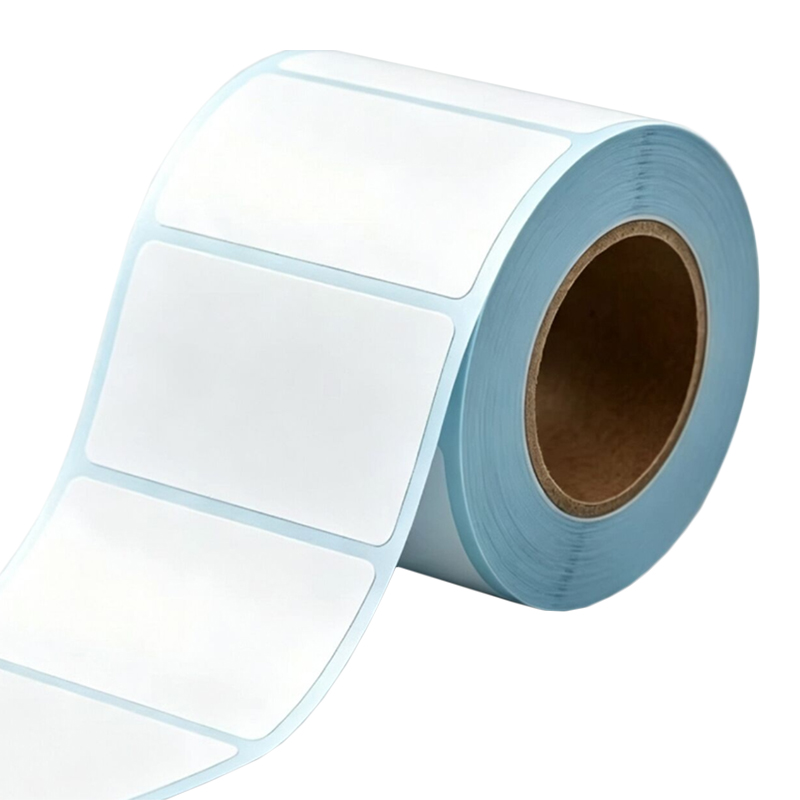
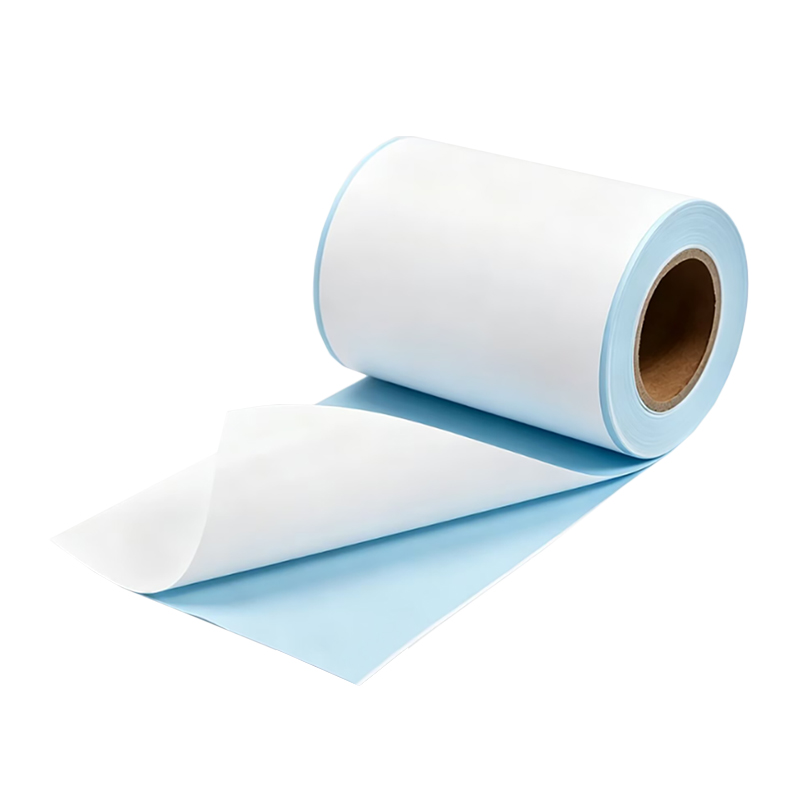
Truly waterproof labels are defined by three core characteristics: a waterproof face material (usually a film rather than paper), a waterproof adhesive that won't release when wet, and a protective coating or laminate that seals the printed surface against moisture. If any one of these three elements is compromised, your label will peel, fade, or fall off when exposed to water.
The base material of a waterproof label is the most important factor in its durability. Here are the most widely used face materials and what makes each one suitable for wet or outdoor conditions:
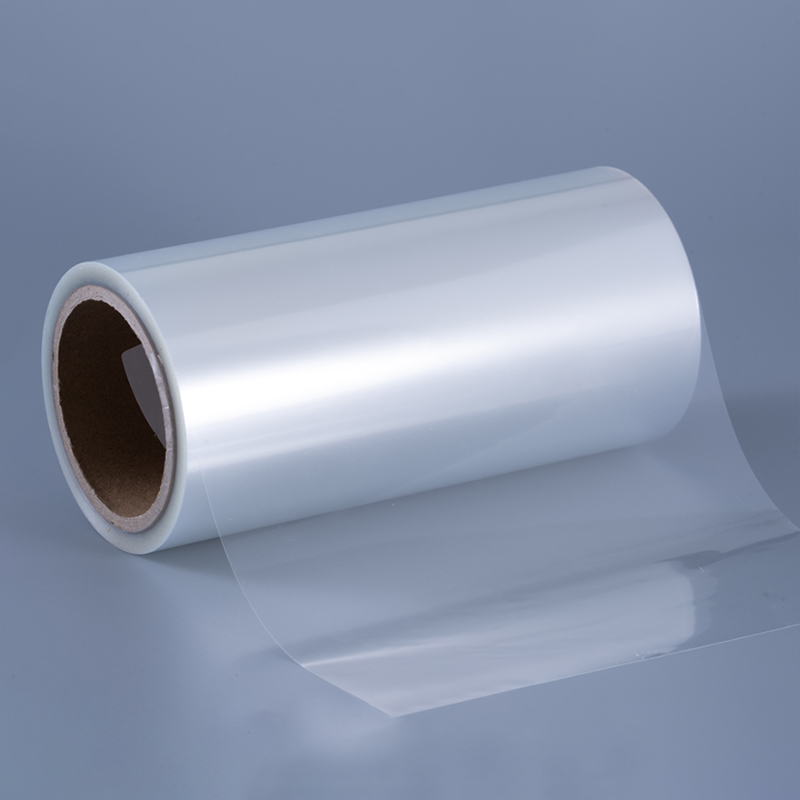
BOPP is the most popular material for waterproof sticker labels used in consumer products. It's a flexible plastic film that resists water, oils, and many chemicals. BOPP labels are commonly used on beverage bottles, cosmetics, cleaning products, and food packaging. They accept printing well and can be finished with a gloss or matte laminate for added durability and visual polish.
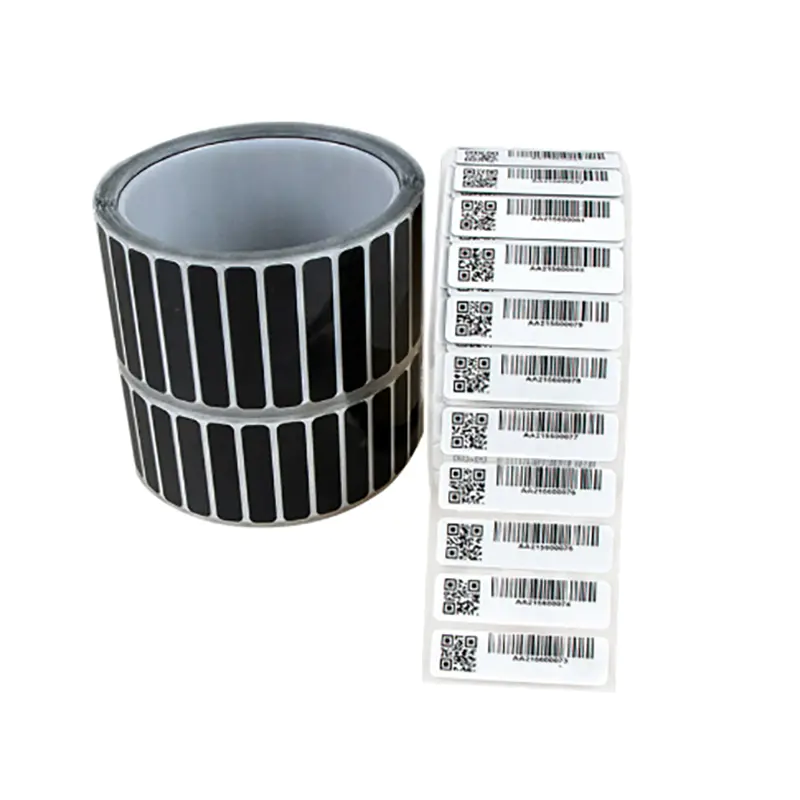
Polyester labels are stiffer and more tear-resistant than BOPP. They perform well in harsher environments — think industrial equipment, outdoor machinery, or chemical containers. PET labels can handle a wider range of temperatures and are often used for asset tagging, electronics labeling, and products that need to maintain a professional look even under rough handling.
Vinyl is the go-to material for outdoor waterproof labels. It's highly conformable, meaning it can wrap around curved surfaces without cracking, and it holds up well under UV exposure, rain, and temperature fluctuations. Cast vinyl in particular is used for long-life outdoor applications like vehicle decals, window graphics, and signage expected to last 5–7 years or more.
Similar to BOPP but often used in a more rigid format, polypropylene labels work well for food and beverage applications. They're FDA-compliant versions available for direct food-contact labeling and are frequently chosen for candle labels, soap labels, and other bath and body products due to their clean, glossy appearance.
Here's a quick comparison to help you decide:
| Material | Best For | UV Resistant | Flexibility | Cost |
| BOPP | Bottles, cosmetics, food | Moderate | High | Low–Medium |
| Polyester (PET) | Industrial, electronics | High | Low | Medium–High |
| Vinyl | Outdoor, vehicles, signage | Very High | Very High | Medium–High |
| Polypropylene (PP) | Bath products, candles | Moderate | Medium | Low–Medium |
Waterproof adhesive labels show up in a much wider range of settings than most people realize. Once you start looking, they're everywhere — from the shampoo in your shower to the asset tags on warehouse equipment. Here are some of the most common use cases:
The label face material might get all the attention, but the adhesive is just as critical. A waterproof film label with a standard paper adhesive will still fail the moment it gets wet. Here's what you need to know about adhesive options:
Permanent adhesives form a strong bond that's intended to be long-lasting and difficult to remove without damaging the surface or label. These are the right choice for most product labeling, outdoor use, and any situation where the label must stay in place for months or years. Most permanent adhesives still work better when applied to a clean, dry surface — even if the label is going to get wet afterward.
Removable adhesives allow the label to be peeled off cleanly without leaving residue. These are useful for price tags, temporary product promotions, or labeling containers that need to be repurposed. Removable adhesive waterproof labels can handle some moisture, but they're generally not recommended for surfaces that will be submerged or heavily washed.
Applying a label to a frozen or very cold surface requires a specialized freezer-grade adhesive that stays tacky at low temperatures. Standard adhesives become brittle and lose their grip below freezing. If you're labeling frozen food products or cold storage containers, make sure your waterproof labels specifically mention freezer compatibility.
High-tack adhesives are designed for difficult surfaces like cardboard, rough textures, or recycled materials that have lower surface energy. If your waterproof label needs to stick to an irregular, porous, or matte surface, a high-tack option significantly reduces the chance of edge lifting or peeling.
Even the best waterproof label will underperform if it's applied incorrectly. These steps will help you get a strong, long-lasting bond every time:
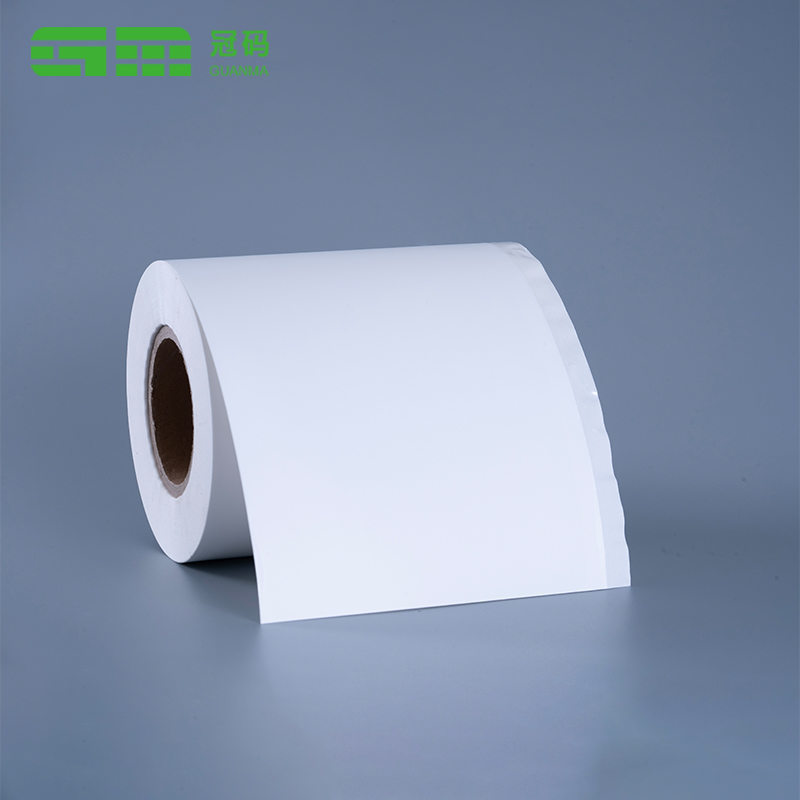
Printing on waterproof label stock is not the same as printing on regular paper. The smooth, non-absorbent surface of plastic film materials requires specific ink types or printer settings to achieve good results.
Laser printers fuse toner to the surface using heat, which generally produces more durable results on waterproof film labels than inkjet. Standard dye-based inkjet ink will smear on film surfaces because there's nothing to absorb the ink. If you're printing at home with an inkjet printer, you'll need either inkjet-compatible waterproof label stock (which has a specially coated top surface) or pigment-based inks that sit on top of the film rather than soaking in.
Commercial printers use UV-curable inks or solvent-based inks that bond chemically with the label face material. UV printing in particular produces extremely durable results — the ink is cured instantly by ultraviolet light, creating a hard, scratch-resistant surface that's essentially part of the label. This is the preferred method for custom waterproof labels used on products sold commercially.
Even on a waterproof base material, adding a laminate over the printed surface gives the final product much better resistance to abrasion, solvents, and UV fading. A gloss laminate enhances color vibrancy and gives a premium look; a matte laminate creates a softer, more sophisticated appearance. Overcoats (also called varnishes) are thinner alternatives that protect the print without adding much thickness to the label.
If you're ordering custom waterproof labels for a business or product line, there are several specifications worth confirming with your supplier before you finalize the job:
It's worth being very clear on this distinction before you spend money on labels that don't do what you expect. Water-resistant labels can handle light moisture — a drip, brief exposure to rain, or a humid environment. They won't immediately fall apart when they get wet, but they're not designed for prolonged submersion or regular washing. Many paper labels with a simple laminate coating fall into this category.
Waterproof labels, by contrast, are made from non-absorbent film materials throughout — there's no paper layer to become saturated and break down. They can be submerged, scrubbed, and exposed to steam without losing their adhesion or legibility. If your product will be used in a shower, kept in a cooler with ice, or stored outdoors through multiple seasons, you need genuinely waterproof labels, not just water-resistant ones. When reviewing product specifications, look for the term "waterproof" explicitly rather than accepting "water-resistant" as equivalent.
Getting the most out of your weatherproof labels over time comes down to a few practical habits and informed decisions upfront:
We have a professional R&D team and strong manufacturing capabilities to ensure product quality and delivery while doing a good job in product iteration and innovation.
Address : Building 2. No.111 Xincheng Road, Xitangqiao Street, Haiyan, Jiaxing, Zhejiang Province, China
Phone: +86-150 0573 0249
Tel: + 86-0573-8685 2732
Fax: + 86-0573-8685 2732
E-mail: [email protected]
Copyright© Zhejiang Guanma Packaging Co., Ltd.
 Privacy
OEM Self Adhesive Label Material Manufacturers Waterproof Labels Suppliers Custom Adhesive Label Material Factory