

 English
 русский
 Español
 عربى
عربى
Home / News / Industry News / What Exactly Is Inkjet Silver PET Film — and What Makes It Different from Regular PET
Polyester (PET) film in its base form is a dimensionally stable, chemically resistant thermoplastic substrate that holds its shape under tension, resists moisture, and provides a consistent surface for a wide range of printing processes. But plain PET has no natural affinity for inkjet inks — its surface energy is too low to hold aqueous droplets in place, and without treatment the ink simply beads, spreads unpredictably, or fails to adhere. Every inkjet-printable PET product on the market, including inkjet silver PET film, is the result of applying one or more functional coating layers on top of the base film to change how the surface interacts with specific ink chemistries.
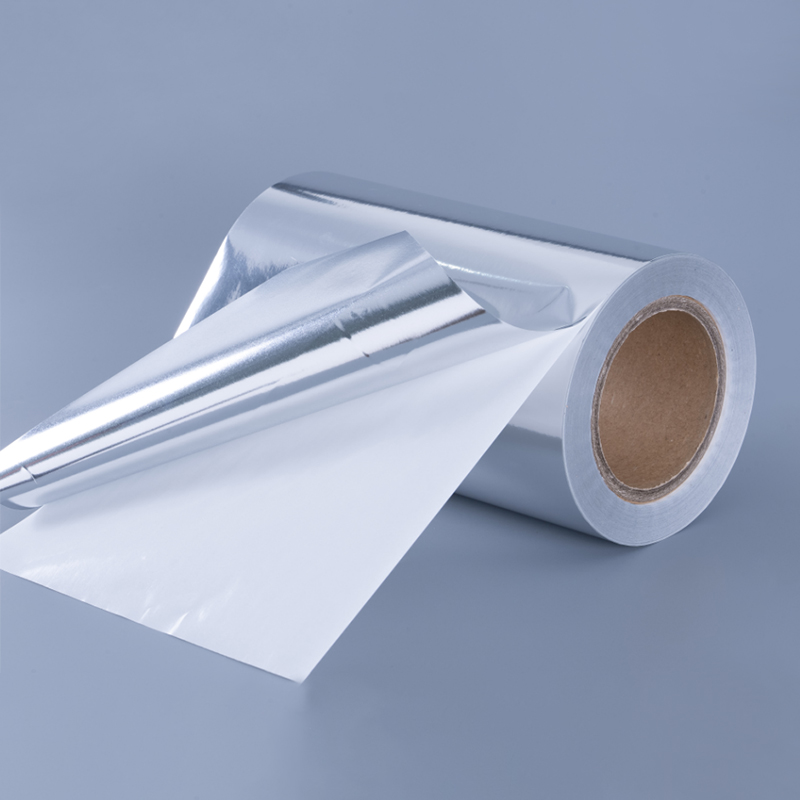
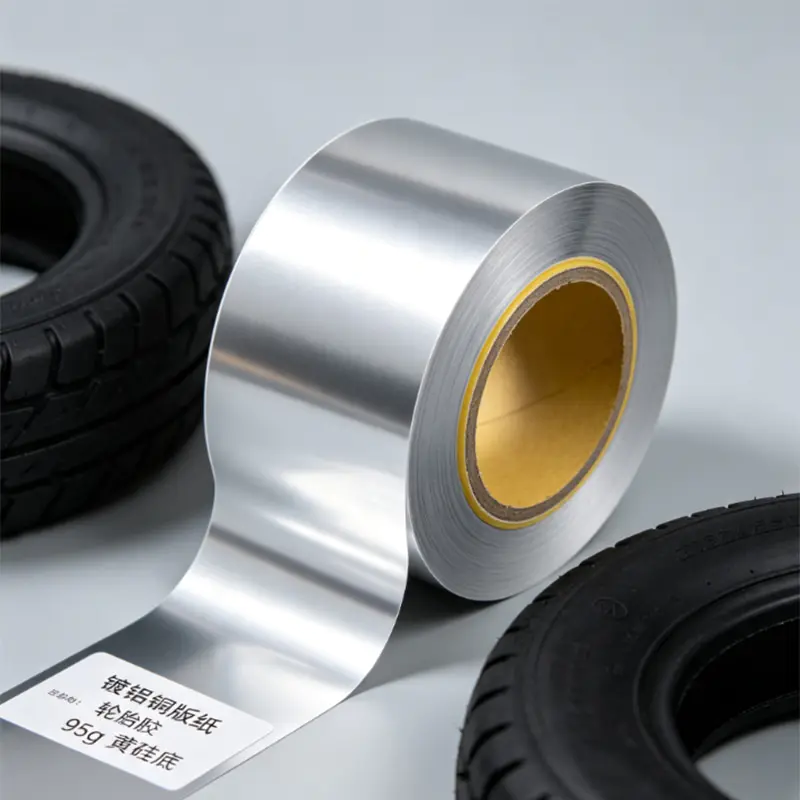
What distinguishes inkjet silver PET film from standard clear or white inkjet polyester film is the presence of a metallic silver layer — typically a vacuum-deposited aluminum layer (optically equivalent to silver in appearance) or a silver-colored pigmented coating — integrated into the film construction. This silver layer serves two simultaneous purposes. First, it provides the highly reflective metallic background that gives printed graphics a premium, mirror-like finish without the need for a silver ink underprint pass. Second, it functions as an opacity layer that blocks light transmission through the substrate, which is critical for display applications where backlighting or surface reflections from behind the graphic would degrade image contrast.
The inkjet-receptive coating on top of the silver layer is engineered specifically for the intended ink system — aqueous, eco-solvent, UV-curable, or latex. These are not interchangeable: an aqueous-receptive coating is microporous or polymer-based and designed to absorb water-carried pigment or dye particles; an eco-solvent coating uses a different chemistry that swells to accept solvent-carried inks; a UV primer allows UV-curable inks to cure and bond to the surface. Using the wrong ink type on a silver PET inkjet film designed for a different ink system produces poor adhesion, banding, or complete ink rejection. Matching ink chemistry to coating chemistry is the most fundamental technical requirement in working with this material.
Content
Understanding the layered construction of an inkjet silver PET film explains both its performance capabilities and its limitations. Most commercial silver inkjet polyester film products use a multi-layer architecture, with each layer performing a distinct function.
The foundation is biaxially oriented polyethylene terephthalate (BOPET) film, stretched in both machine and transverse directions during manufacture to develop the high tensile strength, dimensional stability, and optical clarity that makes PET the preferred substrate for high-precision printing applications. Thicknesses used in inkjet silver PET film typically range from 3 mil (75 micron) for flexible label and packaging applications up to 7 mil (175 micron) for semi-rigid display and roll-up banner formats. Heavier gauges resist curl more effectively and lie flat under ambient temperature variation — a practical advantage in display environments where temperature fluctuations are common.
The silver effect can be achieved through two distinct production methods. Vacuum metallization deposits an ultra-thin layer of aluminum (20–60 nanometers) onto the PET surface inside a chamber evacuated to below 10⁻⁴ mbar. The aluminum vaporizes and condenses as a continuous, mirror-quality metallic film with optical density of 2.0–3.5. This produces the highest reflectivity and the most convincingly metallic appearance. The alternative is a silver-colored pigmented coating applied by conventional coating equipment — this produces a duller, more satin-metallic appearance than vacuum metallization but at significantly lower production cost and is adequate for applications where a premium mirror finish is not required.
Applied over the silver layer, the ink-receptive coating is the layer that must be engineered with the greatest precision for the target ink system. For aqueous inkjet applications, microporous coatings — composed of silica or alumina particles bound in a polymer matrix — provide a high surface area network that rapidly absorbs water-based inks, prevents spreading (dot gain), and immobilizes pigment particles at or near the surface for maximum color saturation. For eco-solvent inkjet, the coating uses a different polymer system with higher solvent tolerance that allows partial swelling by the ink carrier solvent, enabling good ink penetration without substrate damage. UV-curable inkjet films use a primer coating that provides reactive groups capable of bonding with the cured UV ink network, since UV inks cure entirely on the surface and require a different adhesion mechanism than penetrating ink types.
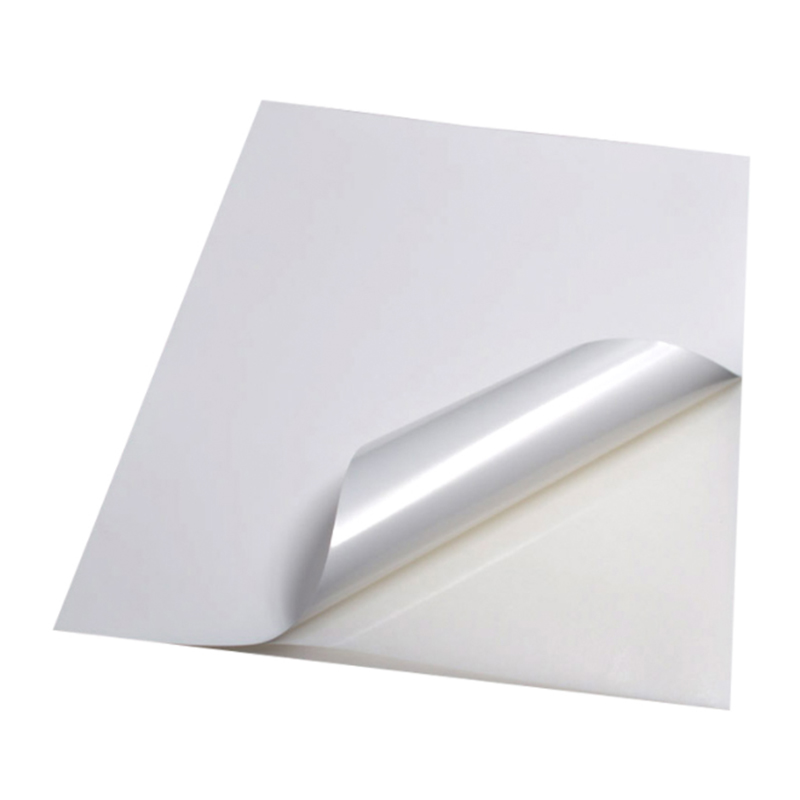
Depending on the intended end use, additional functional layers may be incorporated. A pressure-sensitive adhesive (PSA) backing with a release liner converts the film to a self-adhesive format suitable for label, decal, and direct-application graphics. An anti-static coating reduces the static charge buildup that attracts dust and causes sheets to adhere to each other and to handling equipment during production. A back-coating on the reverse side of the film can provide additional dimensional stability or serve as a secondary printable surface for double-sided display applications.
Ink compatibility is the single most common source of quality problems when printing on inkjet silver PET film. The reflective surface amplifies any inconsistency in ink lay-down — banding, dot gain, and adhesion failure that would be less visible on a matte white substrate become immediately apparent on a high-reflectivity metallic background. Getting compatibility right before committing to a production run is therefore not optional.
| Ink Type | How It Works on Silver PET | Primary Applications | Key Considerations |
|---|---|---|---|
| Aqueous Dye/Pigment | Absorbed into microporous coating; water evaporates with heat | Indoor labels, short-run display, photography | Not waterproof without lamination; fastest dry time |
| Eco-Solvent | Solvent carrier softens coating; pigment bonds to substrate | Outdoor banners, vehicle graphics, durable labels | VOC emissions; excellent outdoor durability; requires venting |
| Latex | Water-carried polymer encapsulates pigment; heat fuses to surface | Roll-up displays, indoor/outdoor signs, retail graphics | Low VOC; heat-sensitive — max ~96°C printer setting; good flexibility |
| UV-Curable | Ink cured instantly by UV light on surface; does not penetrate | Rigid signs, premium display, packaging prototyping | Hardest, most scratch-resistant result; requires UV primer on silver PET |
A critical practical note for aqueous ink printing on silver PET film: the reflective metallic surface requires the correct ICC color profile for accurate color reproduction. The silver background interacts with transparent ink layers differently than a white background does — CMYK values calibrated for white paper will consistently produce shifted, often warmer or more saturated results on a silver substrate. Most professional wide-format RIP software allows substrate-specific profiling; creating a custom profile with a spectrophotometer for the specific combination of printer, ink, and silver film being used produces noticeably more predictable and accurate color results than using a generic film profile.
Inkjet silver PET film occupies a specific performance and cost position in the printed media landscape — it costs more than plain white inkjet PET, but delivers a visual differentiation that white film, paper, or standard vinyl cannot replicate without expensive additional finishing steps. Understanding which applications genuinely benefit from the metallic substrate versus those better served by a simpler material helps in making the right specification decision.
This is one of the highest-volume applications for silver-back inkjet PET film. A silver-back polyester display film — which has the inkjet-receptive coating on the front, the printed image facing forward, and the silver layer on the reverse — delivers two specific benefits in a roll-up banner context. The silver backing blocks light from behind the banner, preventing the mechanical components of the banner stand from showing through the graphic as a shadow or silhouette when the display is in a brightly lit environment. It also creates a striking color contrast when the stand is viewed from the front: the silver background reflects ambient light and makes the printed CMYK colors appear more vibrant and saturated than the same colors would look on a white or grey substrate. The 7 mil (175 micron) thickness used in most display-grade silver PET films provides the dimensional stability and lay-flat behavior required for clean retraction into the banner housing and consistent tension across the display face.
Self-adhesive inkjet silver PET film for label production allows short-run and on-demand printing of metallic labels for cosmetics, spirits, specialty foods, and pharmaceutical products at quantities that would not be economical with conventional gravure or flexographic printing on pre-metallized label stock. The metallic background eliminates the need for a silver or gold ink pass, which in conventional label printing requires either a spot metallic ink or a foil-stamping operation — both add cost and complexity to the production workflow. With an inkjet silver PET film, a single print pass on a wide-format inkjet printer or a digital label press produces a finished metallic-look label ready for cutting and application. For product categories where short-run variant production — different flavors, limited editions, regional markets — is required at small quantities, this represents a significant workflow and cost advantage over conventional metallic label production methods.
Metallic silver inkjet PET film produces visually distinctive trade show graphics, product launch signage, and event displays that stand apart from the standard foam board, banner vinyl, and paper-based alternatives used by most exhibitors. The reflective surface responds dynamically to ambient lighting conditions — in a well-lit exhibition hall, a silver-ground graphic creates specular highlights and shadow variations that give the display a three-dimensional depth not achievable with flat matte or satin substrates. The PET base provides adequate rigidity in thicker gauges for frameless panel displays and sufficient flexibility in thinner formats for curved display systems.
Packaging designers and brand development teams frequently require photorealistic mockups of metallic packaging — gift boxes, blister packs, pouches, tubes — for client presentation and photography before committing to production tooling. Printing on inkjet silver polyester film with the correct ICC profile produces mockup components with an authentic metallic appearance that closely replicates the visual effect of finished vacuum-metallized packaging. This allows stakeholder review and photography of realistic-looking samples at a fraction of the cost and lead time of producing actual production samples from a packaging converter.
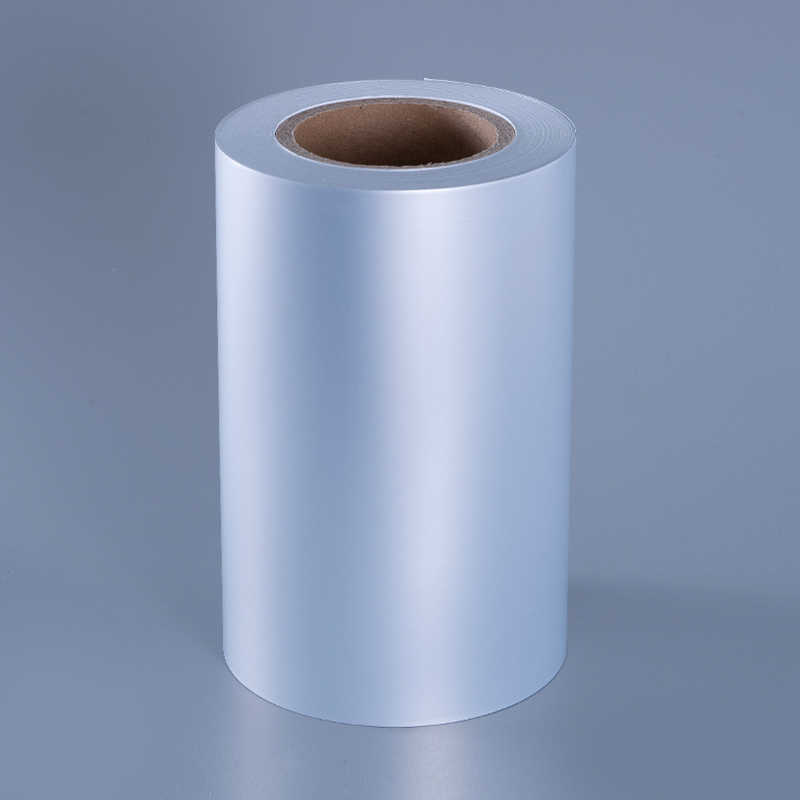
Suppliers of inkjet silver PET film present their products with varying degrees of technical detail, and the specifications that most directly affect print quality and application performance are not always the ones most prominently featured in product listings. The following parameters are the ones that experienced print buyers and media specialists use to evaluate and compare options.
Even with correctly matched ink and film, print operators consistently encounter a predictable set of challenges specific to metallic PET media that are not encountered with standard white or clear films. Addressing these before the first production run prevents wasted media and reprints.
PET film is denser and stiffer than paper or vinyl of equivalent thickness, and its smooth surface can cause static-induced sheet sticking, misfeeds on cut-sheet printers, and inconsistent tension on roll-fed wide-format systems. For cut-sheet desktop or semi-professional printers, fan the sheets before loading to separate any static adhesion between sheets, and load only 10–20 sheets at a time rather than filling the tray to capacity. Most silver PET films have an anti-static coating, but this is only effective within its design temperature and humidity range — in very dry winter conditions, additional anti-static measures (such as a conductive rubber mat under the media stack) are sometimes needed. On roll-fed wide-format printers, set media tension to the film-specific value in the printer settings rather than relying on automatic detection, which may misclassify the film as a lighter-weight material and under-tension the feed, causing wave banding in the print.
As noted in the ink compatibility section, silver metallic PET film requires a custom ICC profile for color-accurate output. Generic printer profiles designed for white media will produce measurable color deviation on a silver substrate because the metallic base shifts the apparent color of transparent ink layers. The most reliable approach is to use a spectrophotometer to measure a printed target chart on the specific film, then build a custom profile using RIP software profiling tools. Where spectrophotometer profiling is not available, the practical alternative is to visually calibrate by printing a reference image with known color values and applying correction curves in the RIP until the silver-ground output matches the target appearance.
The reflective silver surface requires less total ink to achieve saturated colors than a white substrate does, because the metallic base reflects light back through the ink layer, amplifying color saturation without the full ink coverage needed to achieve the same visual density on a matte white. Reducing total ink load by 15–25% compared to white media profiles typically improves drying speed, reduces bronzing in dark areas, and minimizes the risk of ink pooling on the non-absorbent metallic ground. Wide-format printers with an onboard heater should use the film manufacturer's recommended dryer temperature — excessive heat on latex-ink profiles in particular can cause the PET base to curl or distort if the temperature exceeds the film's rated thermal threshold.
For display applications, a gloss or matte overlaminate applied after printing protects the ink surface from abrasion, UV degradation, and moisture. Choose a laminate with the same base film type (PET-to-PET) for best dimensional compatibility — laminating a PET inkjet film with a different base-film laminate can introduce curl due to differential thermal expansion coefficients. When cutting inkjet silver PET film on a digital cutting table or plotter cutter, ensure blade depth is set for the total film thickness including any adhesive liner. A blade depth calibrated for vinyl will under-cut on thicker PET film, leaving incomplete cuts that tear rather than separate cleanly.
Inkjet silver PET film occupies a specific position in a broader market of metallic print media options, and understanding when PET is genuinely the best choice — versus when a less expensive or more application-specific alternative performs as well or better — prevents over-specification and unnecessary cost.
| Medium | Dimensional Stability | Outdoor Durability | Print Quality | Best For | Relative Cost |
|---|---|---|---|---|---|
| Inkjet Silver PET Film | Excellent (no stretch, no curl) | Good with eco-solvent/UV inks | High resolution, vibrant metallic | Banners, displays, durable labels | Medium–High |
| Metallic Inkjet Vinyl | Moderate (vinyl stretches) | Very good | Good; less sharp than PET | Vehicle wraps, outdoor decals, window graphics | Medium |
| Metallic Inkjet Paper | Poor (humidity-sensitive) | None (not outdoor rated) | Very high resolution for dry uses | Indoor fine art, invitations, certificates | Low–Medium |
| Aluminized PET Label Stock | Excellent | Excellent with correct inks | High; best for fine label detail | Product labels, cosmetic/pharmaceutical packaging | Medium |
The decisive advantage of inkjet silver PET film over silver vinyl in precision printing applications is dimensional stability. PET does not stretch under web tension, does not deform under the print head pressure of high-speed inkjet passes, and does not expand or contract with humidity changes the way vinyl does. For applications requiring fine registration — multi-pass printing, print-and-cut workflows where the cutter must follow a printed crop mark precisely — PET's dimensional stability produces consistently tighter registration tolerances than vinyl of equivalent weight. Where conformability or stretch over three-dimensional surfaces is required — vehicle wraps, curved surfaces — vinyl is the correct material regardless of the silver finish requirement.
We have a professional R&D team and strong manufacturing capabilities to ensure product quality and delivery while doing a good job in product iteration and innovation.
Address : Building 2. No.111 Xincheng Road, Xitangqiao Street, Haiyan, Jiaxing, Zhejiang Province, China
Phone: +86-150 0573 0249
Tel: + 86-0573-8685 2732
Fax: + 86-0573-8685 2732
E-mail: [email protected]
Copyright© Zhejiang Guanma Packaging Co., Ltd.
 Privacy
OEM Self Adhesive Label Material Manufacturers Waterproof Labels Suppliers Custom Adhesive Label Material Factory