

 English
 русский
 Español
 عربى
عربى
Home / News / Industry News / Inkjet Clear PET Film Explained: How to Choose It, Use It, and Get the Best Print Results
Content
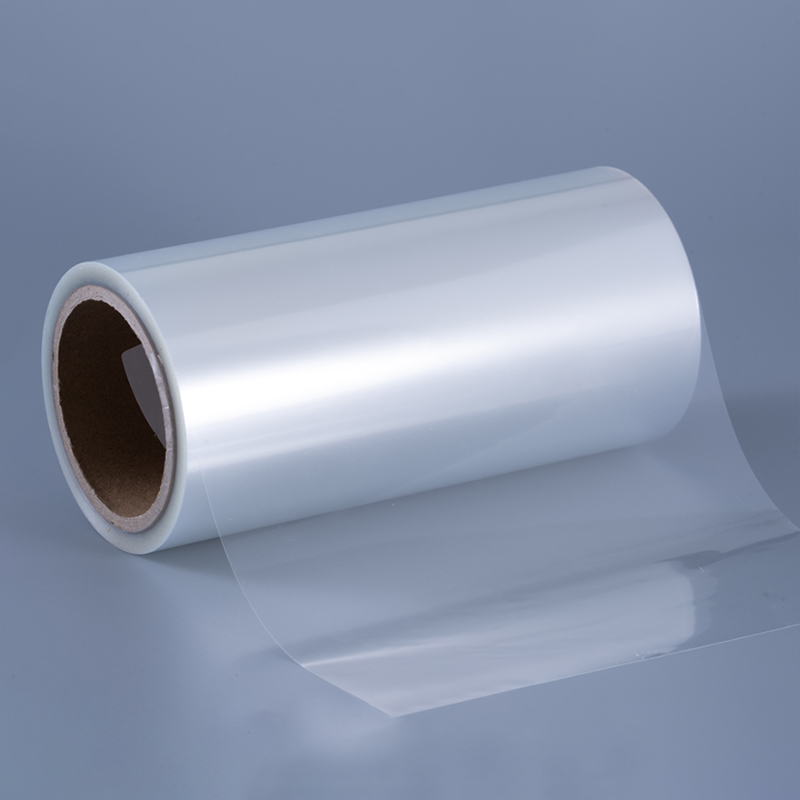
Inkjet clear PET film — also referred to as inkjet printable transparent PET film, clear polyester film for inkjet printing, or inkjet transparency film — is a specialty printing substrate made from polyethylene terephthalate (PET) base film that has been coated on one or both sides with a specially formulated inkjet receptive coating. The PET base provides dimensional stability, optical clarity, chemical resistance, and mechanical strength, while the inkjet coating layer absorbs and locks the water-based or pigment-based inks from inkjet printers to produce sharp, vivid, durable printed images on a transparent background.
The distinction between inkjet clear PET film and ordinary transparent PET film is critical. Uncoated PET has a smooth, non-porous surface that repels water-based inkjet inks — droplets bead up and spread uncontrollably, producing blurry, uneven prints that smear immediately and never fully dry. The inkjet receptive coating transforms the surface from ink-repellent to ink-receptive by providing a microporous or swellable polymer structure that draws ink droplets in rapidly, immobilizes the colorant, and binds it permanently to the film surface. This coating technology is what makes reliable, high-resolution inkjet printing on transparent polyester film possible.
Inkjet printable clear PET film is used across a wide range of professional and industrial applications — overhead projection transparencies, screen printing positives and film negatives, backlit display films, window graphics, security overlaminates, printed circuit board (PCB) artwork, CAD drawing output, decorative printing, and photographic transparency output are all major application categories. Each application has specific requirements for optical clarity, coating type, ink compatibility, thickness, and surface characteristics, making correct product selection essential for achieving the desired print quality and functional performance.
Understanding the layered construction of inkjet transparent PET film helps explain why different products perform differently and what to look for when selecting the right film for a specific application.
The polyethylene terephthalate base film is the structural foundation of the product. Biaxially oriented PET (BOPET) — produced by stretching extruded PET film in both the machine direction and transverse direction — provides the combination of high tensile strength, low thermal shrinkage, excellent dimensional stability, and outstanding optical clarity that makes PET the preferred base material for transparent printing films. The PET base is available in thicknesses ranging from 25 microns (1 mil) for ultra-thin applications to 250 microns (10 mil) for rigid display and screen printing applications. Standard inkjet clear PET films are most commonly supplied at 100 microns (4 mil), 125 microns (5 mil), and 175 microns (7 mil) thicknesses, which provide the right balance of handling stiffness, printer feed compatibility, and dimensional stability for the majority of professional printing applications.
The inkjet receptive coating — applied to one or both sides of the PET base by precision slot die, gravure, or Meyer rod coating processes — is the technologically critical layer that determines print quality, ink compatibility, and durability. Two fundamentally different coating technologies are used in inkjet PET films. Microporous coatings consist of a porous matrix of silica or alumina particles bound by a polymer binder — ink vehicle (water) is rapidly absorbed by capillary action through the pores, while colorant particles or dye molecules are trapped at or near the surface, producing very sharp dot definition, fast drying, and excellent color gamut. Swellable polymer coatings absorb the ink vehicle through a polymer chain swelling mechanism rather than capillary action — they provide excellent water resistance and color stability but dry more slowly and require careful humidity management during printing. For most professional applications on transparent film, microporous coatings are preferred because they provide faster dry time, better handling immediately after printing, and excellent compatibility with both dye-based and pigment-based inkjet inks.
Many inkjet clear PET films include an anti-curl or back coating on the non-print side of the film. When a coating is applied to only one side of a PET film and absorbs moisture from the environment or from the inkjet ink, differential moisture-induced dimensional change between the coated and uncoated sides can cause the film to curl. An anti-curl back coating balances the moisture response of both sides, keeping the film flat and stable before, during, and after printing — critical for printer feed reliability and for the dimensional accuracy required in applications such as screen printing positives and PCB artwork where dimensional distortion would cause registration errors.
Not all inkjet printable transparent PET films are equivalent, and the differences between products can have a major impact on print quality and application suitability. The table below summarizes the key technical parameters to evaluate when comparing inkjet clear PET film products:
| Parameter | What It Means | Typical Range / Value |
| Base Film Thickness | Overall film caliper; affects stiffness and printer compatibility | 50–250 µm (2–10 mil) |
| Light Transmission | Percentage of visible light passing through; determines clarity | 85–92% |
| Haze Value | Light scattering; lower = clearer, more transparent appearance | 1–8% |
| Ink Absorption Speed | Time to dry/absorb ink after printing; affects handling speed | Immediate to 60 seconds |
| Color Gamut (dE vs. sRGB) | Range of reproducible colors; higher = more vivid print | Varies by coating type |
| Maximum Optical Density (Dmax) | Darkest black achievable; critical for film positives/negatives | 2.5–4.0 OD |
| Dimensional Stability | Resistance to shrinkage/expansion under humidity or temperature | <0.1% change typical |
| Water Resistance (after drying) | Resistance of dried print to water smearing or running | Moderate to excellent |
| Ink Compatibility | Dye-based only, pigment-based only, or both | Product-specific |
| Printer Compatibility | Desktop, wide-format, roll-to-roll compatibility | Product-specific |
One of the most technically demanding applications for inkjet transparent PET film is the production of screen printing film positives — the high-density black-on-clear output used to expose photosensitive emulsion on screen printing frames and photopolymer plates. This application places unique requirements on the film that differ significantly from general display or presentation printing needs.
In screen printing film positive production, the maximum optical density (Dmax) of the black ink on the printed film determines how completely the image areas block UV light during emulsion exposure. A high Dmax — ideally 3.5 to 4.0 or higher — ensures that the emulsion under printed areas is fully protected from UV exposure, producing sharp, well-defined image edges with no undercutting. Films with insufficient Dmax (below 3.0) allow UV light to bleed through the "solid" black areas, softening image edges and reducing fine detail reproduction in the exposed emulsion. Achieving high Dmax on inkjet PET film requires a coating specifically designed to concentrate dye or pigment colorant at or near the coating surface rather than allowing it to penetrate deeply into the coating structure.
Multi-color screen printing requires multiple film positives — one per color separation — to be registered precisely to each other during emulsion exposure. Any dimensional change in the film between printing different color separations, or between printing and exposure, causes misregistration between colors on the final printed piece. Inkjet clear PET film for screen printing positives must have extremely low dimensional change under humidity and temperature variation — BOPET base film provides dimensional stability far superior to acetate or polypropylene alternatives, which is why PET is the preferred base for professional screen printing film output. Films should be stored flat in controlled conditions (20–25°C, 40–60% RH) and given time to acclimatize to the printing environment before use to minimize dimensional variation during and after printing.
Achieving maximum optical density on inkjet PET film for screen printing requires correct printer profiling and RIP (Raster Image Processor) software settings. Standard printer ICC profiles for photographic or document output are not optimized for maximum black density on film — they limit ink volume to prevent cockling on paper substrates and to maintain color accuracy for photographic reproduction. A dedicated film output profile, typically supplied by the film manufacturer or created through custom profiling, maximizes the black ink output per pass while preventing ink flooding that would cause drying problems, streaking, or coating damage. Many screen printing studios use specialist RIP software packages such as AccuRIP, Separation Studio, or EasyRIP that include pre-configured output profiles for popular inkjet PET film products and the most common printer models.
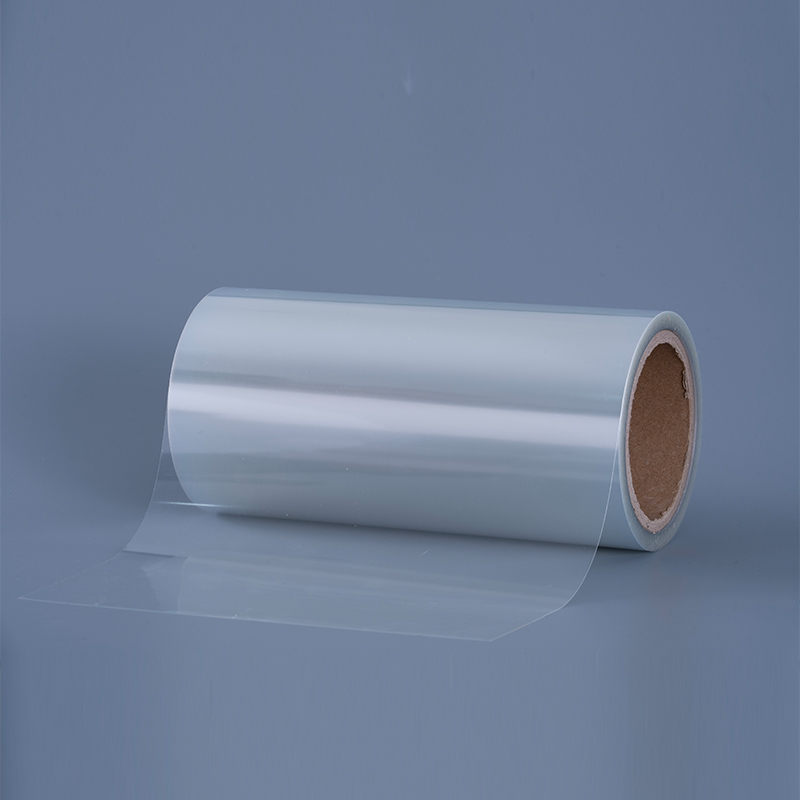
The combination of optical clarity, print quality, dimensional stability, and chemical resistance that inkjet transparent polyester film provides makes it the material of choice across a diverse range of professional printing and imaging applications.
The type of inkjet ink used with a clear PET film — dye-based or pigment-based — is one of the most important compatibility considerations, and not all inkjet transparent PET films perform equally well with both ink types. Understanding the differences helps avoid poor print quality, slow drying, or coating damage.
Dye-based inkjet inks contain colorant molecules fully dissolved in the ink vehicle. When printed onto a microporous inkjet PET film, the dye molecules are small enough to penetrate into the coating pore structure and become trapped by absorption onto the coating matrix. Dye-based inks typically produce excellent color gamut and maximum optical density on well-matched film coatings because the dyes can pack densely in the coating layer. However, dye-based prints are generally less resistant to UV fading, water, and chemical exposure than pigment-based prints. For screen printing positive applications where longevity is not the priority (films are used once or a few times before being discarded), dye-based inks on dye-optimized microporous PET film often deliver the highest Dmax values.
Pigment-based inkjet inks contain colorant particles suspended in the ink vehicle rather than dissolved. Pigment particles are larger than dye molecules and tend to remain closer to the coating surface after printing, which can result in slightly lower maximum optical density on some film coatings compared to dye-based inks, but significantly better lightfastness and water resistance after drying. Pigment-based inks are preferred for applications where the printed PET film must remain stable for months or years — backlit display graphics, window decals, and fine art transparency output. Many modern pigment ink inkjet printers from Epson (UltraChrome series), Canon (LUCIA Pro series), and HP (Vivid Photo inks) produce excellent results on pigment-optimized inkjet PET films, with color gamuts and Dmax values that match or exceed dye-based outputs on the right film substrate.
Even with a high-quality inkjet transparent PET film and a well-maintained printer, achieving optimum results requires attention to printer settings, media handling, and post-print processing. The following practical guidelines help maximize print quality and avoid common problems.
Film thickness affects printer compatibility, handling stiffness, dimensional stability, and suitability for the intended end use. The most common thicknesses available and their recommended applications are:
When in doubt about film thickness compatibility with a specific printer model, consult the printer manufacturer's media guide or the film supplier's printer compatibility chart before purchasing. Attempting to feed incompatible film thicknesses through a printer risks media jams, print head strikes, and costly printer damage that far outweighs the cost of the film itself.
We have a professional R&D team and strong manufacturing capabilities to ensure product quality and delivery while doing a good job in product iteration and innovation.
Address : Building 2. No.111 Xincheng Road, Xitangqiao Street, Haiyan, Jiaxing, Zhejiang Province, China
Phone: +86-150 0573 0249
Tel: + 86-0573-8685 2732
Fax: + 86-0573-8685 2732
E-mail: [email protected]
Copyright© Zhejiang Guanma Packaging Co., Ltd.
 Privacy
OEM Self Adhesive Label Material Manufacturers Waterproof Labels Suppliers Custom Adhesive Label Material Factory