

 English
 русский
 Español
 عربى
عربى
Home / News / Industry News / Rubber Adhesive Labels for Automotive Tires: Engineering Durability into Every Rotation
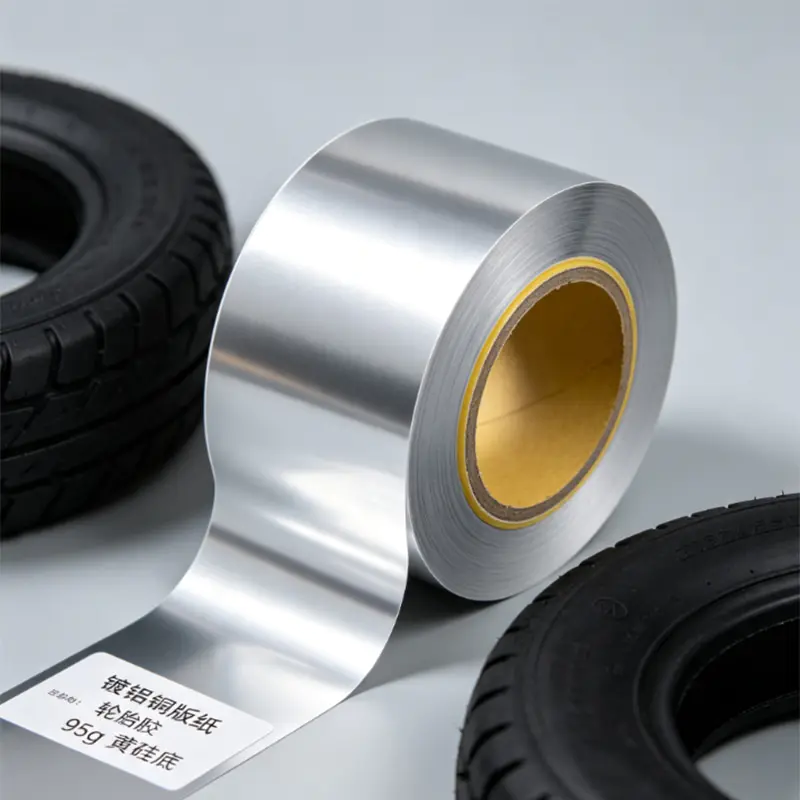
Automotive tires operate in one of the most demanding environments any labeled product will ever face. A tire sidewall or inner liner experiences extreme heat cycling, constant flexing, road grime, UV exposure, and — for the life of the product — mechanical abrasion from contact with pavement, curbs, and wheel wells. Any label applied to a tire, whether for brand identification, DOT compliance, size specification, or traceability, must survive all of this without peeling, fading, or smearing. This is where rubber-specific adhesive technology becomes essential.
Rubber adhesive tire labels are a specialized category of industrial labeling built to bond permanently to vulcanized rubber surfaces — a substrate notorious for being difficult to adhere to because of its low surface energy, oils, plasticizers, and inherent flexibility.
Content
Most pressure-sensitive adhesives are formulated for smooth, rigid, or moderately flexible substrates like cardboard, plastic, or glass. Tires present a very different challenge:
A label that isn't formulated for this environment may last days or weeks rather than the years required for regulatory compliance and brand visibility.
Many tire labels use natural rubber or synthetic rubber-based adhesives, sometimes blended with tackifying resins, specifically engineered to bond with vulcanized rubber's chemistry. Modified acrylic systems with enhanced plasticizer resistance are also used where long-term aging performance is critical.
Tire labels typically use vinyl, polyester, or specialty elastomeric films that can stretch and flex with the tire's sidewall without cracking or delaminating.
Formulations are tested for resistance to the specific oils and antiozonants used in rubber compounding, preventing the adhesive from "swimming" or losing bond strength over time.
Industrial-grade tire labels are rated for continuous performance across a wide temperature band, often from -40°C to over 90°C, ensuring the label remains bonded whether the tire is in cold storage or actively rolling on hot asphalt.
Since many tire labels remain visible on the exterior sidewall, UV-stabilized inks and laminates prevent fading, chalking, or embrittlement from prolonged sun exposure.
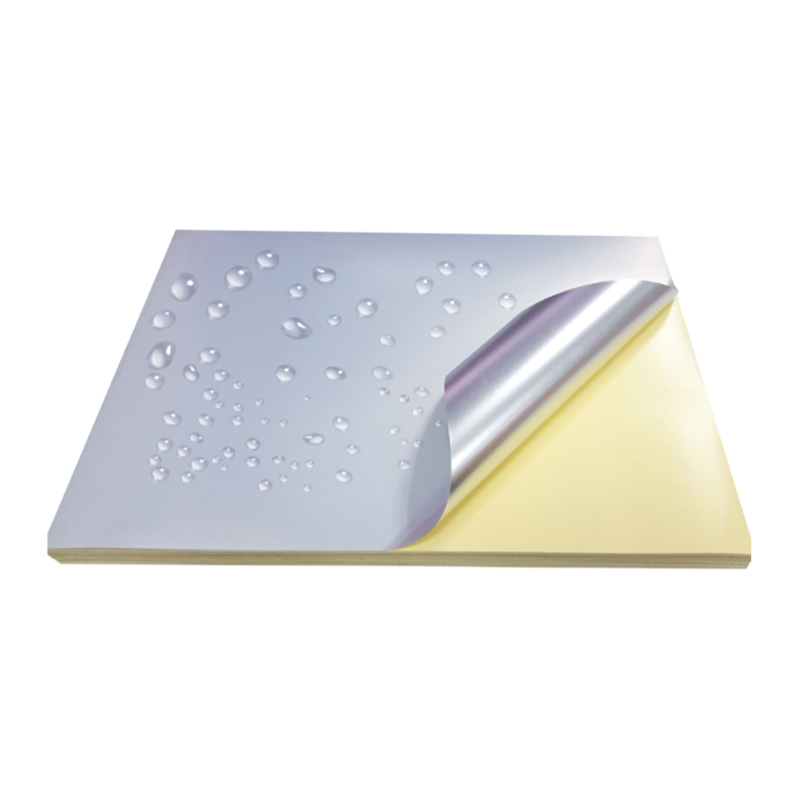
Reputable suppliers of rubber adhesive tire labels typically validate their products against several performance benchmarks:
When sourcing rubber adhesive labels for tire applications, manufacturers should evaluate:
Labeling a tire is not the same as labeling a box or a bottle. The rubber substrate's chemistry, combined with the mechanical and environmental stresses a tire endures throughout its service life, demands an adhesive system engineered specifically for the job. Rubber adhesive tire labels that combine the right adhesive chemistry, a conformable face stock, and rigorous testing against real-world conditions give manufacturers confidence that critical safety, compliance, and brand information stays legible and securely bonded from the factory floor to the end of the tire's road life.
We have a professional R&D team and strong manufacturing capabilities to ensure product quality and delivery while doing a good job in product iteration and innovation.
Address : Building 2. No.111 Xincheng Road, Xitangqiao Street, Haiyan, Jiaxing, Zhejiang Province, China
Phone: +86-150 0573 0249
Tel: + 86-0573-8685 2732
Fax: + 86-0573-8685 2732
E-mail: [email protected]
Copyright© Zhejiang Guanma Packaging Co., Ltd.
 Privacy
OEM Self Adhesive Label Material Manufacturers Waterproof Labels Suppliers Custom Adhesive Label Material Factory