

 English
 русский
 Español
 عربى
عربى
Home / News / Industry News / Why Synthetic PP Labels Are Replacing Paper Labels in Industrial and Consumer Packaging
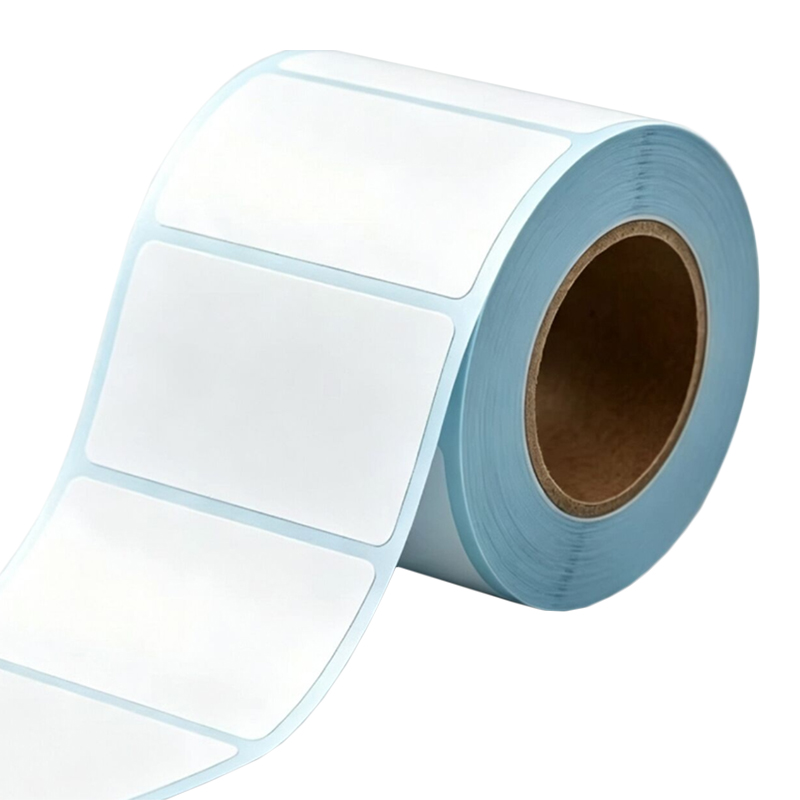
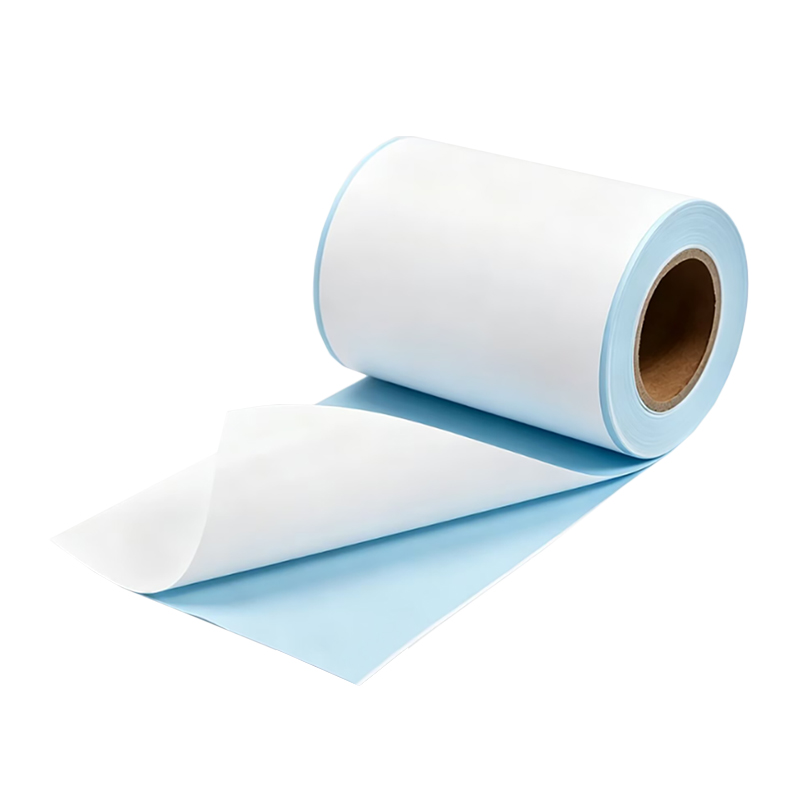
Synthetic PP label materials have become a preferred choice for brands that need durable, visually consistent, and cost-effective labeling solutions. Compared with traditional paper labels, synthetic polypropylene labels offer superior resistance to moisture, chemicals, abrasion, and temperature changes, making them suitable for both industrial and consumer packaging applications.
Content
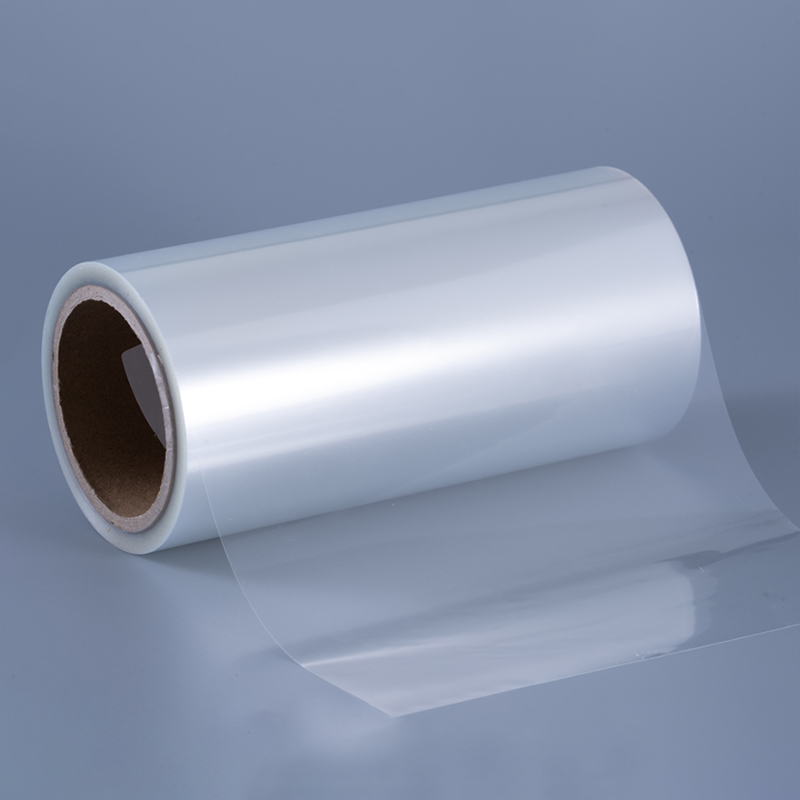
A synthetic PP label is produced from polypropylene film rather than paper pulp. The material is engineered to maintain dimensional stability while providing a smooth surface for high-quality printing. Because PP is inherently waterproof and tear-resistant, labels made from this material perform reliably in demanding environments where paper labels often fail.
Synthetic PP labels are designed for long-term performance. Their physical and chemical properties help brands reduce label damage, rework, and product returns caused by unreadable or detached labels.
Synthetic PP labels are widely used in industries where durability and appearance consistency are critical. Their adaptability makes them suitable for both automated labeling lines and manual application.
In food and beverage environments, labels are exposed to condensation, oils, and low temperatures. Synthetic PP labels remain intact and legible on bottles, jars, and flexible packaging, ensuring compliance information and branding remain clear throughout the product lifecycle.
For detergents, disinfectants, and automotive fluids, PP labels resist chemical splashes and abrasion. This helps prevent label fading or peeling, even when products are stored in harsh conditions.
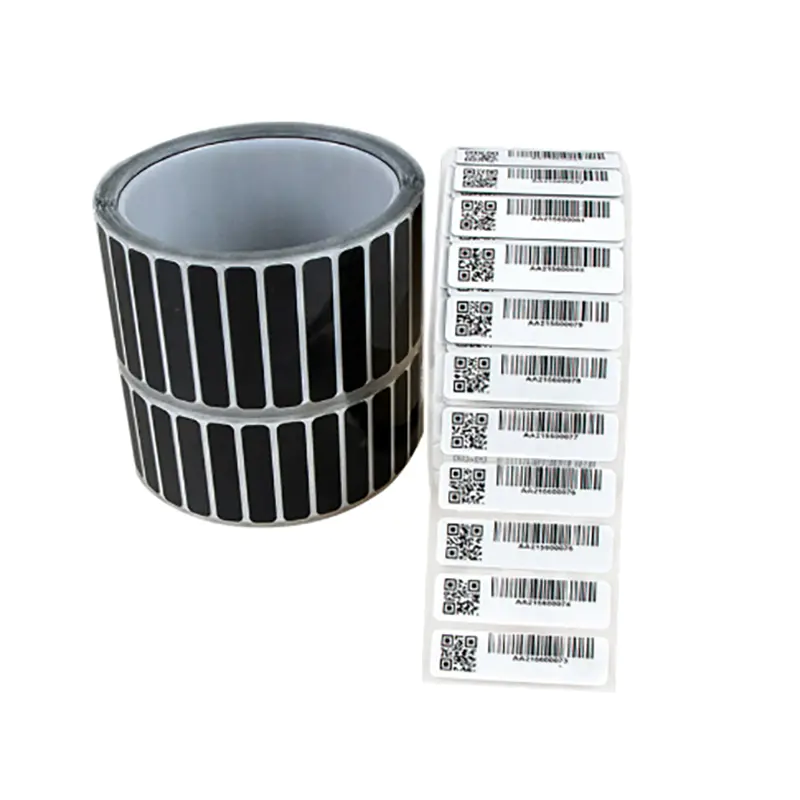
Synthetic PP labels are commonly used for barcode labels, asset tags, and warehouse identification. Their tear resistance and print clarity support accurate scanning and long-term tracking.
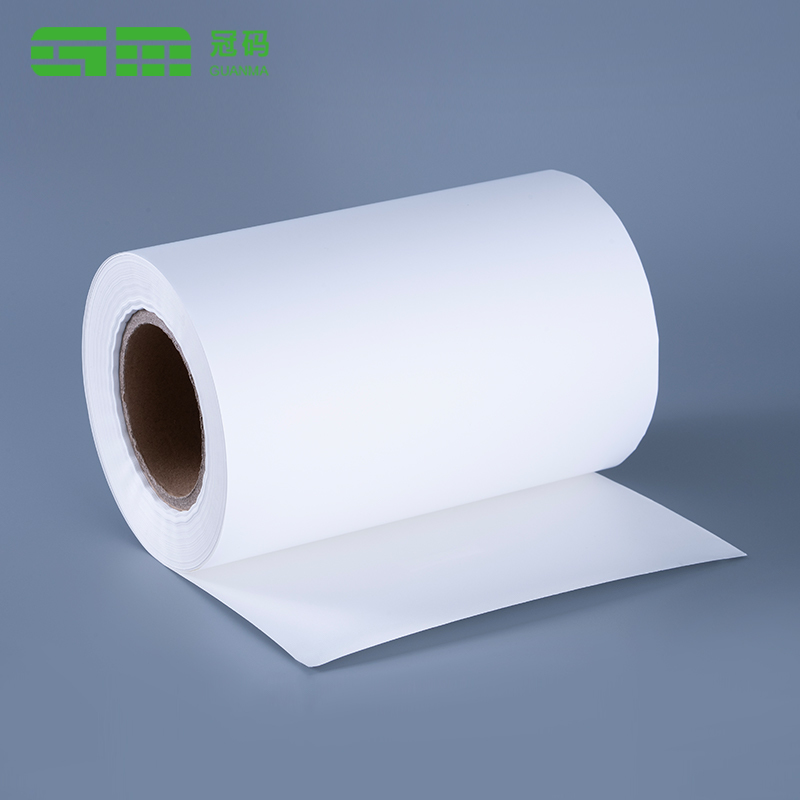
One practical advantage of synthetic PP label stock is its compatibility with multiple printing technologies. Manufacturers can choose surface treatments based on ink type and visual requirements.
| Surface Finish | Suitable Printing Methods | Typical Use |
| Matte PP | Thermal Transfer, UV, Flexographic | Industrial and barcode labels |
| Glossy PP | UV, Offset, Gravure | Consumer packaging and branding |
| Top-Coated PP | Thermal Transfer, Inkjet | Variable data and logistics labels |
While synthetic PP labels are plastic-based, they often reduce overall material waste due to their durability and lower replacement rates. Many PP films are recyclable, and lightweight construction helps reduce transportation costs. For high-volume applications, the longer service life of PP labels can result in lower total labeling costs compared to paper alternatives.
Selecting the correct PP label involves evaluating the end-use environment, printing method, and adhesive compatibility. Factors such as surface energy, required lifespan, and exposure to chemicals or UV light should guide material selection to ensure optimal performance.
By matching the synthetic PP label specification to real application needs, businesses can achieve reliable labeling performance while maintaining consistent brand presentation across diverse markets.
We have a professional R&D team and strong manufacturing capabilities to ensure product quality and delivery while doing a good job in product iteration and innovation.
Address : Building 2. No.111 Xincheng Road, Xitangqiao Street, Haiyan, Jiaxing, Zhejiang Province, China
Phone: +86-150 0573 0249
Tel: + 86-0573-8685 2732
Fax: + 86-0573-8685 2732
E-mail: [email protected]
Copyright© Zhejiang Guanma Packaging Co., Ltd.
 Privacy
OEM Self Adhesive Label Material Manufacturers Waterproof Labels Suppliers Custom Adhesive Label Material Factory