

 English
 русский
 Español
 عربى
عربى
Home / News / Industry News / PP Synthetic Paper Labels for Frozen Food: A Practical Guide to UV Digital Inkjet & Flexo Printing Compatibility
Labeling frozen food products comes with a specific set of challenges that standard label materials simply aren't built to handle. Moisture, condensation, extreme cold, and the physical stress of freezer storage will cause ordinary paper labels to peel, smear, or fall apart entirely. For manufacturers and brand owners who need labels that survive the cold chain while delivering high-quality print output — whether through flexographic printing or UV digital inkjet — PP synthetic paper has become the go-to solution.
Content
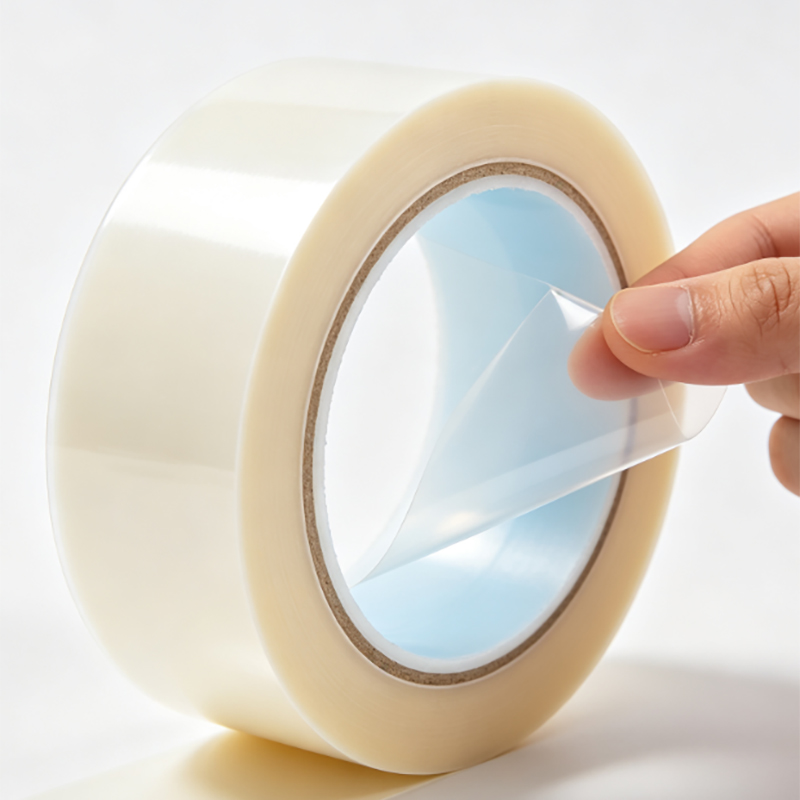
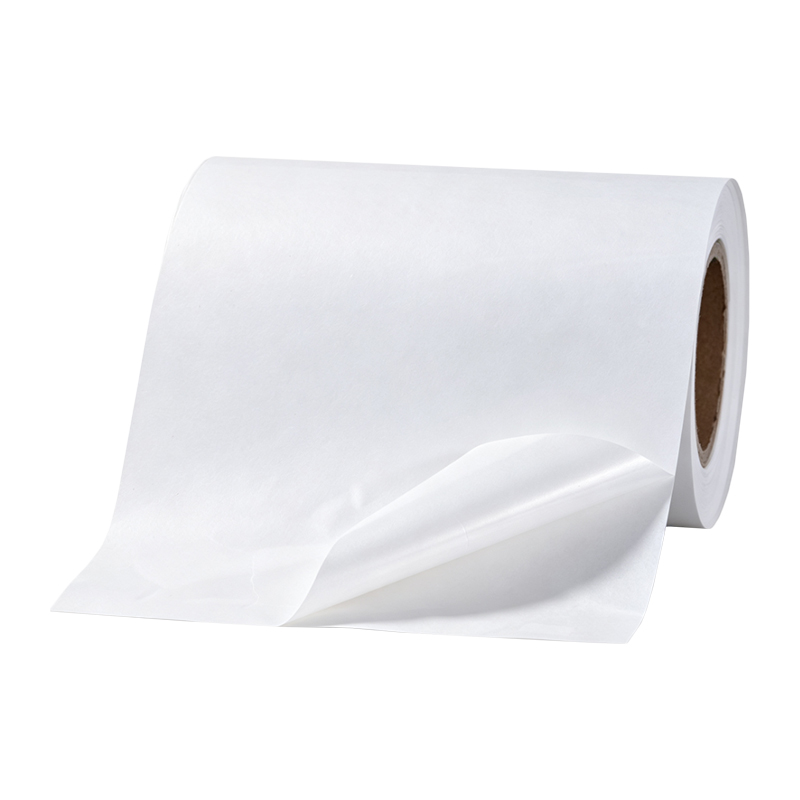
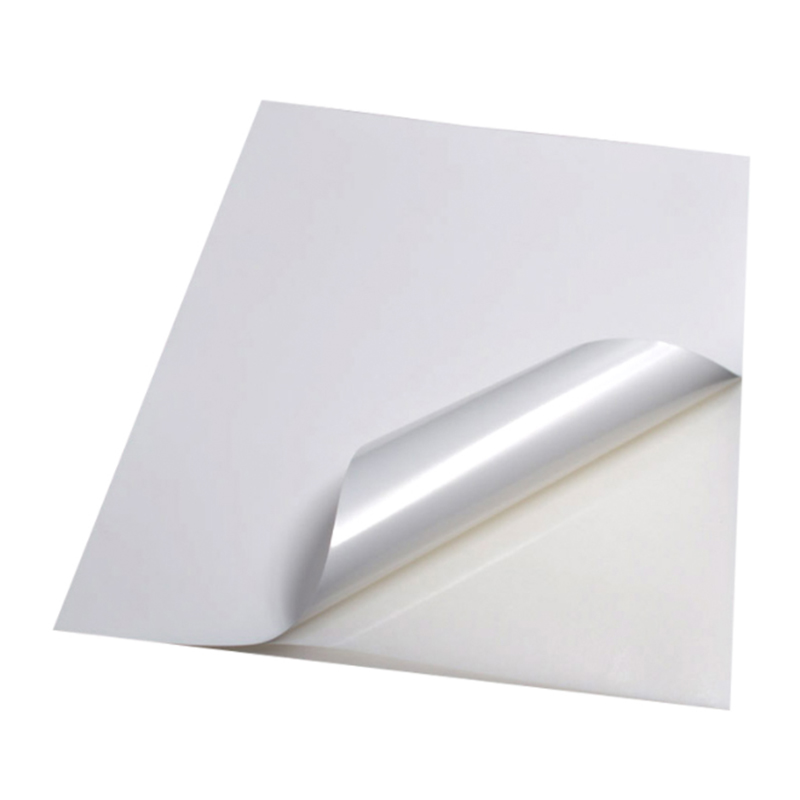
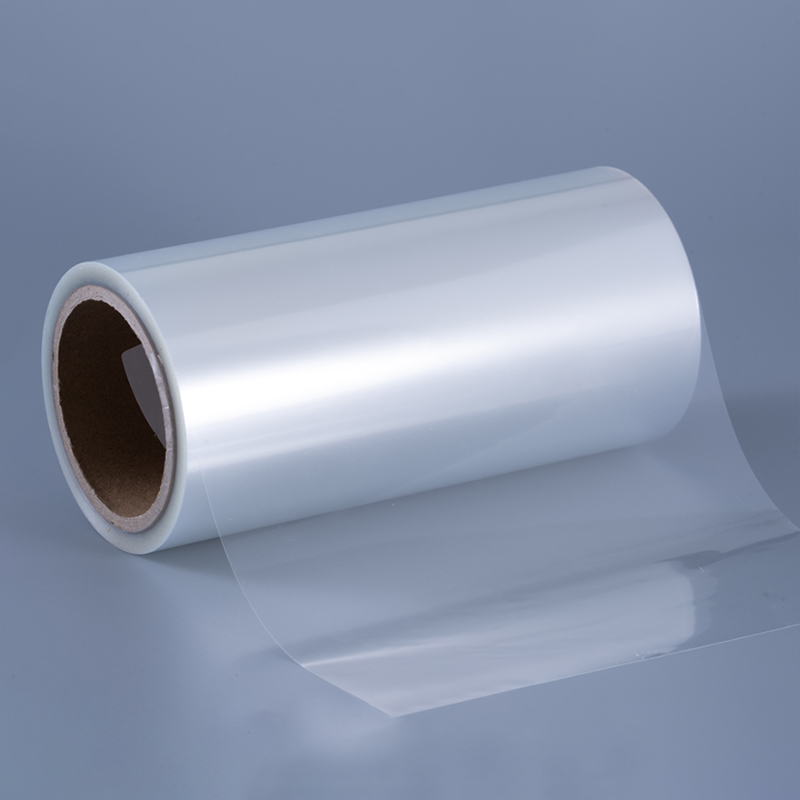
PP synthetic paper is a label substrate made from polypropylene (PP) resin, engineered to mimic the printability of paper while offering the durability of plastic film. Unlike conventional paper, it contains no wood pulp, which means it doesn't absorb moisture, won't tear easily, and maintains dimensional stability under temperature fluctuations.
For frozen food applications, these properties are non-negotiable. Labels on frozen packaging face condensation during transfer, repeated temperature cycling between freezer and ambient environments, and direct contact with ice or frost. PP synthetic paper handles all of these without compromising adhesion or print quality.
The surface is specifically treated to accept ink — both conventional inks used in flexographic printing and UV-curable inks used in digital inkjet systems — making it one of the few substrates that bridges both print technologies without requiring separate material specifications.
Most label failures in frozen environments come down to one of three causes: the adhesive giving out, the face material absorbing moisture and weakening, or the ink cracking and flaking as the material contracts in cold temperatures.
PP synthetic paper addresses all three directly.
Moisture resistance: The non-porous PP surface repels water rather than absorbing it. Labels maintain structural integrity even when condensation forms on the packaging surface.
Temperature stability: PP synthetic paper remains flexible across a wide temperature range — typically from -40°C to well above ambient — without becoming brittle or cracking. This is critical for labels applied to frozen goods that will cycle in and out of cold storage.
Strong adhesion: When paired with a cold-temperature-rated pressure-sensitive adhesive, PP synthetic paper labels bond reliably to common frozen food packaging substrates including HDPE bottles, PE pouches, PP trays, and coated cartonboard.
Tear and scuff resistance: The film-like structure resists mechanical damage during handling, transit, and stacking — all common stress points in frozen food logistics.
One of the key advantages of PP synthetic paper as a label material is its compatibility with both flexographic printing and UV digital inkjet printing. These two technologies serve different production needs, and having a single substrate that works reliably with both offers significant operational flexibility.
Flexographic printing (flexo) remains the dominant method for high-volume label production. It delivers fast output, excellent color consistency across long runs, and low per-unit cost at scale. PP synthetic paper is fully compatible with flexo printing — the treated surface accepts water-based, solvent-based, and UV-curable flexo inks without adhesion issues or feathering.
For frozen food labels produced in large quantities with consistent branding — think retail frozen meal packaging, IQF product bags, or frozen seafood labels — flexo on PP synthetic paper is the efficient, cost-effective choice.
UV digital inkjet printing uses ultraviolet light to instantly cure ink droplets on the substrate surface. Because the ink cures on contact rather than being absorbed, it sits on top of the material as a hard, durable layer. This makes it particularly well-suited to non-absorbent substrates like PP synthetic paper.
The benefits of UV digital inkjet for frozen food labels include:
In practice, many label buyers work with converters who use flexo for base decoration and UV digital inkjet for variable data overprinting. A substrate that performs reliably under both systems — without requiring surface treatment changes, different adhesive configurations, or separate material SKUs — simplifies the entire supply chain. PP synthetic paper fills this role precisely.
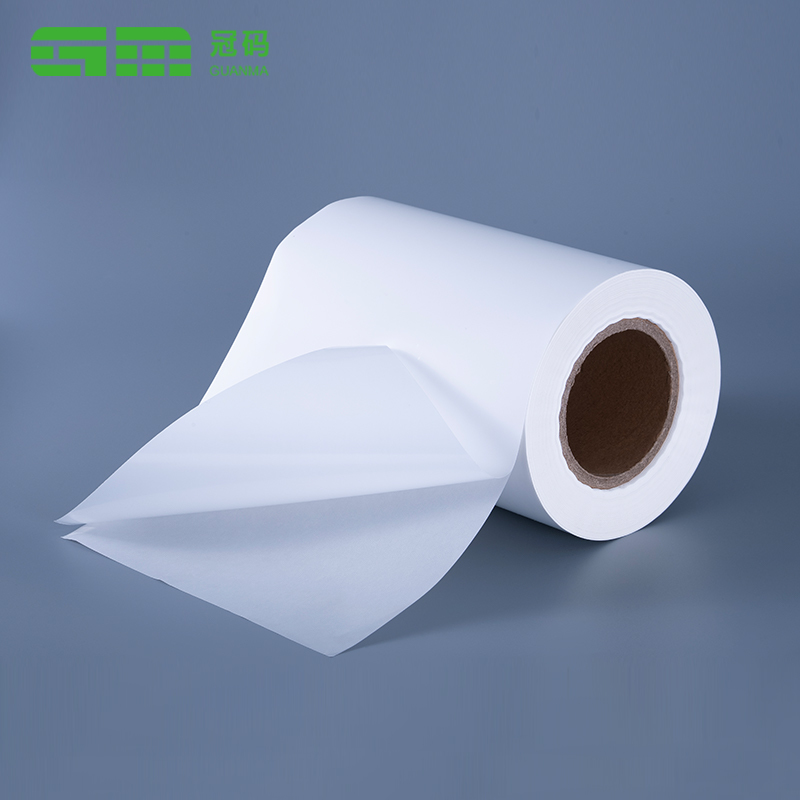
Not all PP synthetic paper products perform equally. When evaluating materials for frozen food label applications, confirm the following with your supplier:
| Specification | What to Look For |
|---|---|
| Surface treatment | Corona-treated or coated surface rated for both UV inkjet and flexo inks |
| Temperature range | Rated to at least -40°C for deep freeze applications |
| Adhesive type | Permanent cold-temperature PSA (pressure-sensitive adhesive) |
| Caliper / thickness | Typically 80–120 micron depending on application rigidity requirements |
| Ink adhesion test | Must pass cross-hatch adhesion and tape pull tests post-print |
| Moisture resistance | No delamination or face-stock softening after water immersion |
| Regulatory compliance | Food-contact safe materials where labels are adjacent to edible product |
PP synthetic paper labels with UV digital inkjet and flexo print compatibility are used across a wide range of frozen food categories:
The substrate is one part of the equation. Equally important is working with a label converter who has direct experience running PP synthetic paper through UV digital inkjet and flexo presses and applying it to frozen food packaging lines.
Key questions to ask:
A converter with genuine experience in this niche will be able to guide material weight, adhesive specification, and print sequence to match your exact packaging substrate and logistics requirements.
For frozen food labels that need to perform under demanding cold-chain conditions and accommodate both flexographic and UV digital inkjet printing, PP synthetic paper is the material that checks all the boxes. It combines the printability and visual quality brands require with the physical durability that frozen food logistics demand. As more label buyers move toward hybrid print workflows — using flexo for volume and UV digital for flexibility — having a substrate that bridges both without compromise becomes a genuine operational advantage.
We have a professional R&D team and strong manufacturing capabilities to ensure product quality and delivery while doing a good job in product iteration and innovation.
Address : Building 2. No.111 Xincheng Road, Xitangqiao Street, Haiyan, Jiaxing, Zhejiang Province, China
Phone: +86-150 0573 0249
Tel: + 86-0573-8685 2732
Fax: + 86-0573-8685 2732
E-mail: [email protected]
Copyright© Zhejiang Guanma Packaging Co., Ltd.
 Privacy
OEM Self Adhesive Label Material Manufacturers Waterproof Labels Suppliers Custom Adhesive Label Material Factory